
Table of Contents
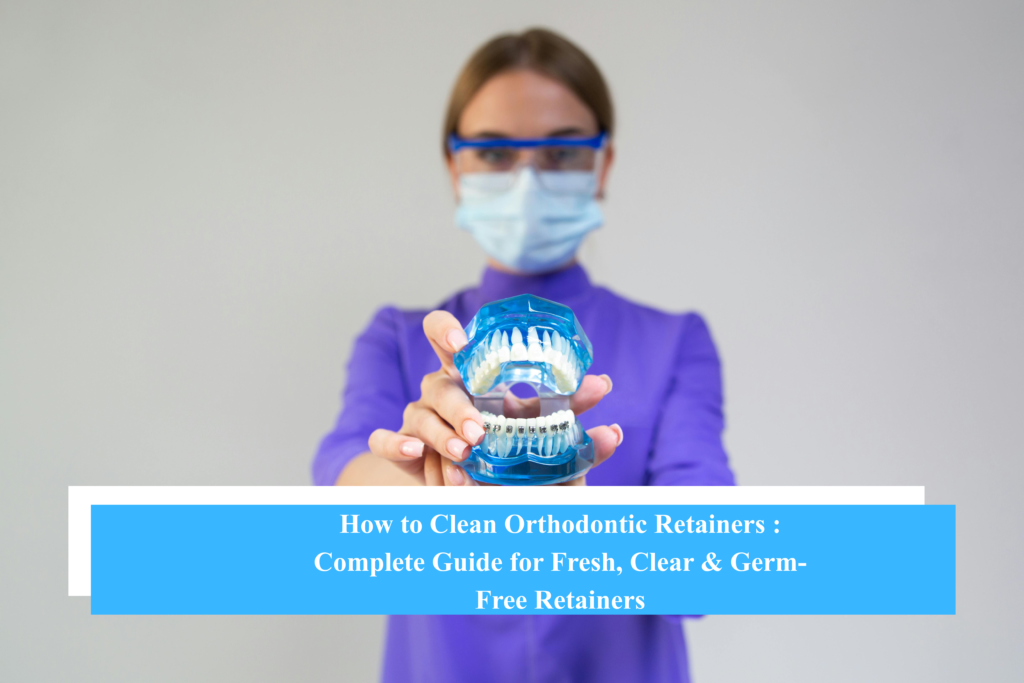
ToggleHow to Clean Orthodontic Retainers: Orthodontic retainers play a critical role in maintaining your smile after braces or aligner treatment. Whether you wear clear plastic retainers, Hawley retainers, or permanent retainers, proper cleaning is essential to prevent bacteria buildup, bad odor, stains, and oral health problems.
Many people unknowingly damage their retainers by using hot water, harsh toothpaste, or incorrect cleaning methods. Learning how to clean orthodontic retainers correctly helps extend their lifespan while keeping your mouth healthy and fresh.
If you live in Abu Dhabi, where warm weather can encourage bacterial growth and dehydration, maintaining excellent retainer hygiene becomes even more important.
In this complete guide, you’ll learn:
- Daily retainer cleaning methods
- Weekly deep-cleaning techniques
- What products are safe to use
- Common mistakes to avoid
- How to clean permanent retainers
- Expert orthodontic hygiene tips
Why Cleaning Orthodontic Retainers Is Important
Retainers stay inside your mouth for hours every day. Over time, they collect:
- Saliva
- Plaque
- Food particles
- Bacteria
- Tartar
- Odor-causing microbes
Without regular cleaning, dirty retainers may cause:
- Bad breath
- Tooth decay
- Gum disease
- Oral infections
- White buildup on retainers
- Staining and discoloration
Keeping retainers clean ensures:
- Better oral hygiene
- Fresh breath
- Clear appearance
- Longer retainer lifespan
- Comfortable fit
Types of Orthodontic Retainers
Before learning cleaning methods, it’s important to understand the different retainer types.
1. Removable Clear Plastic Retainers
These include:
- Essix retainers
- Vivera retainers
- Clear retainers
They are transparent and popular because they’re nearly invisible.
2. Hawley Retainers
Made with:
- Acrylic base
- Metal wire
These are durable and adjustable.
3. Permanent or Fixed Retainers
A thin wire bonded behind the teeth that stays in place permanently.
Each type requires a slightly different cleaning routine.
How to Clean Orthodontic Retainers Daily
Daily cleaning prevents plaque buildup and keeps retainers fresh.
Rinse Immediately After Removal
Clean orthodontic retainers daily by rinsing with lukewarm water every time you remove them. This helps prevent saliva from drying and forming hard deposits on the surface.
Never allow retainers to dry out with saliva residue attached.
Important Tip
Avoid using hot water because it can warp plastic retainers and ruin their fit.
Brush Gently with a Soft Toothbrush
Use a soft-bristled toothbrush to clean all surfaces gently.
Best Cleaning Option
Use:
- Mild dish soap
- Specialized retainer cleaner
Avoid rough scrubbing that may scratch the plastic.
Avoid Toothpaste
Many people assume toothpaste is safe for retainers, but this is one of the most common mistakes.
Avoid abrasives: Do not use toothpaste, as it is often too abrasive and can scratch the plastic, creating spots for bacteria to grow.
Scratched retainers become cloudy and trap harmful bacteria more easily.
Store Retainers Properly
When not wearing your retainer:
- Keep it inside a protective case
- Avoid wrapping it in tissues
- Keep it away from heat and sunlight
Proper storage reduces contamination and accidental damage.
Weekly Deep Cleaning for Orthodontic Retainers
Even with daily cleaning, retainers require deeper cleaning weekly to remove plaque, odor, and bacteria.
Use Retainer Cleaning Tablets
One of the easiest methods is soaking retainers in specialized cleaning tablets such as:
- Retainer Brite
- Polident
- Efferdent
Steps
- Fill a cup with lukewarm water
- Add one cleaning tablet
- Soak retainers for 15–20 minutes
- Rinse thoroughly before wearing
This method helps remove bacteria and stains effectively.
Clean with White Vinegar Solution
A natural cleaning method involves vinegar.
Soak the retainer in a 50/50 mixture of white vinegar and water for 15–20 minutes.
Benefits of Vinegar
- Removes mineral buildup
- Dissolves plaque
- Eliminates odor
After soaking:
- Brush gently
- Rinse thoroughly
Use Hydrogen Peroxide for Bacteria Removal
Hydrogen peroxide is another effective deep-cleaning solution.
Use a 50/50 mixture of hydrogen peroxide and water to kill bacteria and remove odor.
How to Use
- Mix equal parts peroxide and water
- Soak for 15–20 minutes
- Rinse completely
Never swallow hydrogen peroxide.
Ultrasonic Cleaner for Thorough Cleaning
Ultrasonic cleaners have become increasingly popular for orthodontic retainers.
An ultrasonic cleaner uses sound vibrations to remove:
- Plaque
- Debris
- Bacteria
- Food particles
Benefits
- Fast cleaning
- Deeper sanitation
- Gentle on retainers
- Convenient daily use
Many orthodontic patients in Abu Dhabi prefer ultrasonic cleaners for premium retainer care.
How to Clean Permanent Retainers
Permanent retainers require extra oral hygiene care because food and plaque easily become trapped around the bonded wire.
Brush Twice Daily
Brush carefully around:
- Wire edges
- Gumline
- Bonded areas
Use a soft toothbrush and fluoride toothpaste for teeth.
Floss Every Day
Flossing permanent retainers can be difficult but is essential.
Use:
- Floss threaders
- Super floss
- Water flossers
These tools help remove trapped food and plaque beneath the wire.
Schedule Professional Cleaning
Visit your orthodontist every six months for professional tartar removal and retainer inspection.
Regular dental cleaning prevents gum disease and buildup around fixed retainers.
What NOT to Use on Orthodontic Retainers
Some cleaning methods can permanently damage retainers.
Avoid Hot Water
No hot water: Hot water will warp the plastic, ruining the fit.
Always use:
- Cool water
- Lukewarm water
Avoid Bleach
Bleach can:
- Damage retainers
- Cause irritation
- Leave toxic residue
Never soak retainers in bleach.
Avoid Harsh Chemicals
Do not use:
- Alcohol-based cleaners
- Strong detergents
- Mouthwash with alcohol
These may weaken plastic materials.
Avoid Dishwashers
High heat from dishwashers can deform retainers completely.
Always hand-clean retainers safely.
Common Retainer Cleaning Mistakes
Wearing Dirty Retainers
Dirty retainers transfer bacteria directly into your mouth.
Always clean retainers before wearing them.
Eating with Retainers On
Remove during meals: Always remove your retainer while eating and drinking except water to prevent damage and stains.
Food particles trapped under retainers increase bacterial growth.
Leaving Retainers Exposed
Retainers exposed to open air collect dust and germs.
Always use a storage case.
Ignoring Bad Smell
A foul smell often indicates bacterial buildup.
Deep-clean retainers immediately if odor appears.
How Often Should You Clean Retainers?
Daily
- Rinse after removal
- Brush gently
Weekly
- Deep clean with soaking solution
Every Few Months
- Replace damaged retainers if necessary
- Visit orthodontist for inspection
Consistency is the key to healthy retainers.
Signs Your Retainer Needs Replacement
Even well-maintained retainers eventually wear out.
Replace retainers if you notice:
- Cracks
- Warping
- Loose fit
- Persistent odor
- Cloudiness
- Sharp edges
Consult an orthodontist if your retainer no longer fits properly.
Retainer Care Tips for Abu Dhabi Residents
The hot climate in Abu Dhabi can affect orthodontic appliances if they are exposed to heat.
Important Care Tips
- Never leave retainers inside parked cars
- Stay hydrated to reduce dry mouth
- Store retainers indoors
- Clean retainers more frequently during hot weather
Patients in Abu Dhabi should also schedule regular orthodontic checkups to ensure retainers remain in optimal condition.
Best Products for Cleaning Orthodontic Retainers
Recommended Options
- Retainer Brite
- Polident Retainer Tablets
- Ultrasonic Cleaners
- Soft-bristle toothbrushes
- Non-abrasive dish soap
Always choose orthodontist-approved cleaning products.
Frequently Asked Questions
Can I Use Toothpaste on My Retainer?
No. Toothpaste is abrasive and can scratch plastic retainers.
How Long Should I Soak My Retainer?
Usually 15–20 minutes is sufficient for deep cleaning.
Can I Drink Coffee with Retainers?
It is not recommended because coffee can stain retainers.
Why Does My Retainer Smell Bad?
Odor usually develops from bacteria and plaque buildup caused by inadequate cleaning.
Can I Sleep Without Cleaning My Retainer?
It is best to clean retainers before every use, especially before sleeping.
Final Thoughts
Learning how to clean orthodontic retainers properly is essential for maintaining excellent oral hygiene and protecting your orthodontic investment.
Daily rinsing, gentle brushing, and weekly deep cleaning help prevent:
- Plaque buildup
- Bad breath
- Stains
- Bacteria growth
Remember:
- Avoid hot water
- Never use abrasive toothpaste
- Store retainers safely
- Remove retainers while eating
Whether you use removable clear retainers or permanent retainers, consistent care will keep your smile healthy, fresh, and beautiful for years to come.
If you are in Abu Dhabi and need professional orthodontic advice, regular checkups and expert cleaning can help extend the life of your retainers and protect your smile long-term.