So, what are the drawbacks of dental veneers? Are they suitable for everyone, and can they affect your natural teeth in the long term?
This guide explains the most important disadvantages of dental veneers, including enamel removal, tooth sensitivity, possible damage, gum irritation, financial considerations, and situations where alternative treatments may be more appropriate.
If you are considering dental veneers in Abu Dhabi, understanding these factors can help you make a more informed decision with your dentist.
Table of Contents
ToggleWhat Are Dental Veneers?
Dental veneers are thin, custom-made shells attached to the front surfaces of teeth to improve their appearance. They are commonly used to address cosmetic concerns such as:
– Deep or persistent tooth discolouration.
– Small chips and cracks.
– Uneven or irregular tooth shapes.
– Minor gaps between teeth.
– Slightly misaligned or uneven-looking teeth.
– Worn-down front teeth.
Veneers are generally made from two materials: porcelain and composite resin.
Porcelain veneers are laboratory-made restorations known for their durability, stain resistance, and natural appearance. Composite veneers are made using tooth-coloured resin that is shaped directly onto the teeth or fabricated indirectly.
Although both options can improve smile aesthetics, their preparation requirements, longevity, maintenance, and costs differ.
Understanding these differences is particularly important when comparing cosmetic dentistry options in Abu Dhabi.
What Are the Main Drawbacks of Dental Veneers?
Dental veneers can improve the appearance of your smile, but they are not without limitations. Some disadvantages are related to the preparation process, while others may develop months or years after treatment.
Here are seven important drawbacks to consider before getting veneers.
1. Irreversible Enamel Removal
One of the most significant disadvantages of traditional porcelain veneers is that the treatment may require removing a small amount of natural tooth enamel.
Dentists commonly remove approximately 0.3–0.5 mm of enamel in many conventional veneer preparations, although the exact amount depends on the tooth’s position, existing shape, and the desired cosmetic result.
This preparation creates sufficient space for the veneer to fit properly without making the treated tooth appear excessively bulky.
The main concern is that natural enamel does not grow back. Once removed, the tooth permanently loses that layer of its original protective structure.
This means conventionally prepared teeth will generally require a veneer or another suitable restoration to maintain their appearance and protection.
Why Is Enamel Removal a Concern?
Enamel is the hard outer layer that protects teeth from everyday wear, temperature changes, and external damage.
Removing it can have several consequences:
– The natural tooth structure is permanently altered.
– The treated tooth may become more sensitive.
– Future restoration or replacement may be necessary.
– Additional dental work may be required if the veneer becomes damaged.
However, not every veneer treatment requires the same level of preparation. Some patients may qualify for minimal-preparation or no-preparation veneers, depending on their tooth shape, bite, and cosmetic requirements.
Before proceeding, ask your dentist how much enamel will be removed and whether a more conservative treatment option is possible.
2. Increased Tooth Sensitivity
Another potential drawback of dental veneers is increased sensitivity, particularly after the preparation procedure.
When enamel is reduced, the underlying dentin may become more exposed. Dentin contains microscopic channels that communicate with the inner parts of the tooth, making it more responsive to temperature changes and certain stimuli.
As a result, some patients experience discomfort when consuming:
– Cold water or ice cream.
– Hot tea and coffee.
– Cold desserts.
– Sweet or acidic foods.
– Extremely hot or cold beverages.
Is Tooth Sensitivity Permanent After Veneers?
In many cases, sensitivity is temporary and improves as the teeth adjust following treatment.
However, persistent discomfort may indicate an underlying problem, such as exposed dentin, an issue with the bite, an improperly fitted restoration, or an existing dental condition.
Your dentist may recommend desensitising toothpaste, fluoride treatments, or other appropriate measures depending on the cause.
If you already have sensitive teeth, mention this during your consultation. Your dentist should evaluate the condition of your enamel and identify the reason for your sensitivity before recommending veneers.
3. Risk of Chipping or Cracking
Porcelain veneers are strong and designed to withstand normal biting forces. However, they are not indestructible.
Like natural teeth, veneers can chip, crack, or fracture when exposed to excessive pressure or physical impact.
Common causes of veneer damage include:
– Biting hard objects such as ice or hard sweets.
– Opening packages with your teeth.
– Teeth grinding or clenching (bruxism).
– Accidental injuries to the mouth.
– Biting unusually hard foods.
– An uneven bite that places excessive pressure on certain teeth.
Can a Damaged Dental Veneer Be Repaired?
The treatment depends on the severity and location of the damage.
Minor chips may sometimes be smoothed or repaired using appropriate dental materials. However, larger cracks or fractures may require complete veneer replacement.
Patients who grind their teeth may need a custom night guard to reduce pressure on their restorations while sleeping.
If you are considering porcelain veneers in Abu Dhabi, discuss your biting habits and any history of teeth grinding with your dentist before treatment.
4. Dental Veneers Cannot Be Whitened
Another limitation of porcelain veneers is that they do not respond to conventional teeth-whitening treatments.
Natural teeth can often be lightened using professional bleaching procedures. However, porcelain is a ceramic material, and traditional whitening agents cannot change its original shade.
This becomes particularly important if you decide to whiten your surrounding natural teeth after getting veneers.
For example, imagine having veneers on your upper front teeth while the remaining natural teeth gradually become darker. Professional whitening may lighten the natural teeth, but the existing veneers will retain their original colour.
This can create an uneven appearance across your smile.
What Happens If Veneers Become Stained or Discoloured?
Porcelain veneers are generally resistant to staining, but the surrounding natural teeth and bonding margins may still become discoloured over time.
Composite veneers are generally more susceptible to staining than porcelain.
If a porcelain veneer becomes damaged, significantly discoloured, or detached, it may need professional assessment, repair, or replacement rather than conventional whitening.
Tip: If you are planning to whiten your natural teeth, discuss the desired final shade with your dentist before selecting your veneer colour.
5. High Cost and Limited Insurance Coverage
The financial commitment is another important disadvantage of dental veneers.
Unlike treatments that address medically necessary dental problems, veneers are generally classified as elective cosmetic procedures. Consequently, many dental insurance policies do not cover them.
However, coverage depends on the specific insurance policy, provider, and reason for treatment.
In Abu Dhabi, the total cost of veneers can vary considerably depending on several factors:
– The number of teeth being treated.
– Porcelain or composite material selection.
– Laboratory and manufacturing requirements.
– Dentist experience and clinical expertise.
– Preparation and additional dental procedures.
– The complexity of your smile makeover.
Why Can Dental Veneers Become Expensive?
The initial treatment cost is not necessarily the only expense to consider.
Over time, patients may also need:
– Routine dental examinations.
– Professional cleaning.
– Night guards for teeth grinding.
– Repair of minor veneer damage.
– Replacement of worn, damaged, or detached veneers.
For patients considering a complete smile makeover, treating multiple teeth can significantly increase the overall investment.
Before beginning treatment, request a detailed quotation from your dental clinic in Abu Dhabi. Make sure it explains the material, number of veneers, preparation requirements, follow-up appointments, and possible additional costs.
6. Dental Veneers Are Not Suitable for Everyone
Although veneers can improve many cosmetic dental concerns, not everyone is an appropriate candidate.
Your dentist must first examine your teeth, gums, bite, and overall oral health to determine whether the treatment is suitable.
Certain dental conditions may make veneer treatment unsuitable or require attention before proceeding.
These include:
Severe tooth decay Teeth with untreated cavities may need restorative treatment before cosmetic procedures can be considered.
Active gum disease:Inflamed or infected gums can affect the stability and appearance of dental restorations. Gum disease should be managed before elective veneer treatment.
Untreated teeth grinding:Persistent grinding can place excessive pressure on veneers and increase the risk of fractures or detachment.
Weak or insufficient enamel:Veneers depend on appropriate bonding surfaces. Patients with significant enamel loss may require a different restorative approach.
Major bite problems:Significant bite misalignment can place uneven pressure on veneers, making orthodontic or other treatment more appropriate.
What If You Are Not Suitable for Veneers?
Being unsuitable for veneers does not mean you cannot improve your smile.
Depending on your dental condition, alternatives may include:
– Professional teeth whitening for discolouration.
– Dental bonding for small chips and gaps.
– Orthodontic treatment for alignment problems.
– Dental crowns for teeth requiring greater structural coverage.
A qualified dentist can recommend the most appropriate treatment after examining your individual needs.
7. Potential Gum Irritation and Inflammation
Dental veneers are designed to fit closely against the prepared tooth surface. However, poor margins, incorrect placement, or inadequate oral hygiene may contribute to gum irritation.
When plaque accumulates around the edges of a veneer, it can increase the risk of gum inflammation, commonly known as gingivitis.
Possible warning signs include:
– Red or swollen gums.
– Bleeding while brushing or flossing.
– Gum tenderness.
– Persistent bad breath.
– Irritation around the treated teeth.
Poorly fitted veneers can also create areas where plaque becomes difficult to remove.
How Can You Reduce Gum Problems After Veneers?
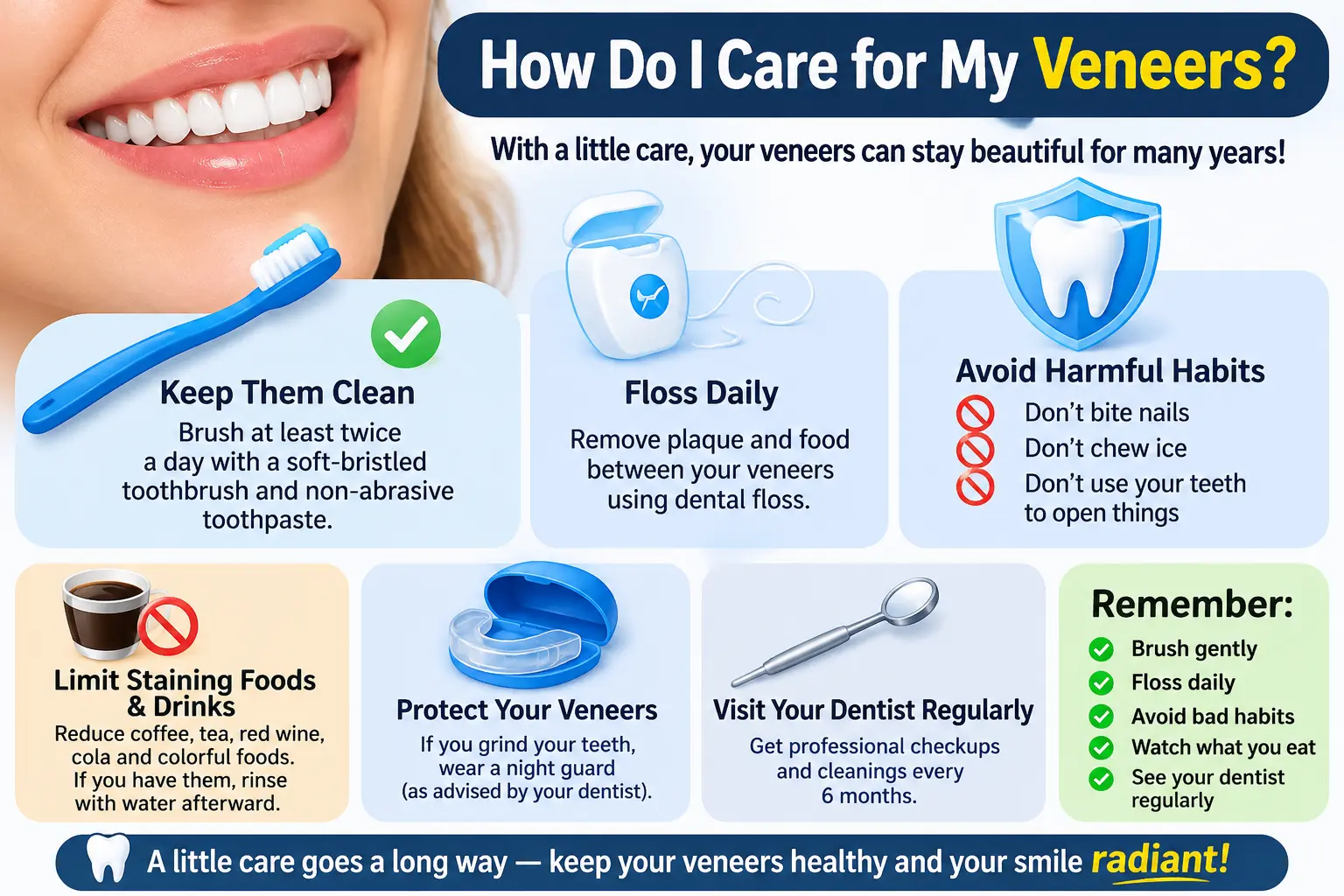
Maintaining good oral hygiene is essential for protecting both your natural teeth and dental restorations.
Dentists generally recommend:
– Brushing twice daily using a soft-bristled toothbrush.
– Cleaning between teeth every day with floss or suitable interdental aids.
– Attending regular dental check-ups.
– Avoiding aggressive brushing around the gumline.
– Following professional cleaning recommendations.
If you experience persistent gum swelling or bleeding after veneer placement, arrange a dental examination rather than ignoring the symptoms.
Additional Considerations Before Getting Dental Veneers
Apart from the seven main disadvantages, there are several other factors worth understanding before choosing this cosmetic treatment.
Veneers May Need Replacement
Dental veneers are not permanent restorations that last forever.
Their lifespan depends on the material, bonding quality, oral hygiene, bite forces, and daily habits.
Porcelain veneers can often last around 10–15 years or longer with appropriate care, while composite veneers generally have a shorter lifespan and may require more frequent maintenance.
However, individual results vary, and no specific lifespan can be guaranteed.
Veneers Do Not Protect Against Tooth Decay
A common misconception is that covering the front surface of a tooth prevents cavities.
This is incorrect.
The natural tooth structure surrounding and behind a veneer remains vulnerable to decay. Poor oral hygiene can still lead to cavities, gum disease, and other dental problems.
Maintaining healthy brushing and flossing habits remains essential even after cosmetic treatment.
The Final Appearance May Not Match Your Expectations
Dental veneers are customised to complement your facial features, natural teeth, and smile.
However, achieving the desired result depends on proper planning, communication, and clinical expertise.
Issues such as excessive tooth brightness, incorrect proportions, unnatural shapes, or poor alignment with surrounding teeth may affect patient satisfaction.
Discuss your expectations with your dentist before treatment. Digital smile previews or mock-ups may help you understand the proposed appearance before making a final decision.
Porcelain vs Composite Veneers: Which Has Fewer Disadvantages?
Both porcelain and composite veneers can improve the appearance of your teeth, but they differ in several important ways.
| Feature | Porcelain Veneers | Composite Veneers |
|—|—|—|
| Material | Dental ceramic | Composite resin |
| Appearance | Highly natural-looking | Natural-looking |
| Stain resistance | Generally higher | More prone to staining |
| Durability | Generally longer-lasting | Generally shorter-lasting |
| Repair | More difficult; replacement may be needed | Often easier to repair |
| Preparation | May require enamel removal | Can sometimes require less preparation |
| Cost | Generally more expensive | Generally more affordable |
| Maintenance | Regular dental care required | May require more polishing and maintenance |
The best choice depends on your natural tooth condition, aesthetic goals, budget, and long-term expectations.
Your dentist should explain the benefits and limitations of both options before recommending a treatment.
What Are the Alternatives to Dental Veneers in Abu Dhabi?
If you are concerned about enamel removal, sensitivity, cost, or long-term maintenance, you may want to explore other cosmetic dentistry options.
Fortunately, veneers are not the only way to improve your smile.
1. Professional Teeth Whitening
Professional whitening can help improve the appearance of stained or discoloured natural teeth without requiring the placement of permanent restorations.
It may be suitable if your primary concern is tooth colour rather than shape or structural damage.
2. Composite Dental Bonding
Dental bonding uses tooth-coloured composite resin to repair minor chips, close small gaps, and improve tooth shape.
It can be a more conservative option for selected cosmetic concerns, although the material may stain or wear over time.
3. Orthodontic Treatment
Braces or clear aligners can gradually reposition teeth and improve alignment.
If your primary concern is crooked teeth or spacing, orthodontic treatment may address the underlying problem rather than covering it with veneers.
4. Dental Crowns
Dental crowns cover a larger portion of a tooth and may be recommended when significant structural damage or weakness is present.
Unlike veneers, crowns are restorative treatments that provide more extensive coverage.
The appropriate option depends on how much healthy tooth structure remains.
How to Reduce the Risks of Dental Veneers
If you decide that veneers are the right choice, taking preventive steps can help reduce potential complications.
Here are some important recommendations:
1. Choose an experienced cosmetic dentist: Look for a qualified professional with experience in veneer planning and placement.
2. Get a complete dental examination:Existing cavities, gum disease, and other oral health concerns should be evaluated first.
3. Ask about enamel preservation: Understand whether traditional, minimal-preparation, or no-preparation veneers are appropriate.
4. Discuss your bite: If you grind or clench your teeth, ask about protective measures such as a night guard.
5. Select the right shade: Discuss your preferred tooth colour and future whitening plans before placement.
6. Maintain good oral hygiene: Brush, floss, and attend regular dental appointments.
7. Follow aftercare instructions:Avoid using your teeth to bite hard objects and follow your dentist’s recommendations.
Careful treatment planning can help reduce avoidable problems and support better long-term results.
Are Dental Veneers Worth It Despite Their Disadvantages?
Dental veneers can be a worthwhile cosmetic investment for people who want to improve persistent stains, chipped edges, uneven tooth shapes, or minor gaps.
However, whether they are worth it depends on your expectations and individual dental condition.
For someone with healthy teeth and suitable cosmetic concerns, veneers may provide an effective smile enhancement.
On the other hand, someone with healthy teeth who only wants a slightly brighter smile may benefit more from professional whitening. Similarly, patients with alignment problems may achieve better long-term results through orthodontic treatment.
The most important consideration is not simply choosing the treatment that produces the brightest smile. It is selecting an option that preserves as much healthy natural tooth structure as reasonably possible while addressing your actual dental concerns.
Considering Dental Veneers in Abu Dhabi? Speak With a Dental Professional
Understanding the drawbacks of dental veneers is an important step before making a cosmetic dentistry decision.
Although veneers can create a more balanced and attractive smile, potential disadvantages such as irreversible enamel removal, tooth sensitivity, chipping, replacement costs, and gum irritation should not be overlooked.
At a professional dental clinic in Abu Dhabi, a personalised consultation can help determine whether porcelain veneers, composite veneers, or a more conservative alternative is appropriate for your teeth.
Rather than rushing into treatment, discuss your oral health, smile expectations, budget, and long-term maintenance requirements with a qualified dentist.
Ready to improve your smile?
Book a dental consultation in Abu Dhabi to discuss your cosmetic concerns and explore suitable treatment options. Get professional guidance before deciding whether dental veneers are the right choice for you.
Frequently Asked Questions About the Drawbacks of Dental Veneers
1. What is the biggest disadvantage of dental veneers?
One of the biggest disadvantages of traditional porcelain veneers is the permanent removal of natural tooth enamel during preparation. Once enamel is removed, it cannot naturally grow back, and the treated teeth will generally require ongoing restoration.
2. Do veneers damage your natural teeth?
Properly planned and fitted veneers do not necessarily damage healthy teeth. However, preparation may permanently remove some enamel. Poor placement, inadequate oral hygiene, and untreated dental conditions can also contribute to complications.
3. Can teeth become sensitive after getting veneers?
Yes. Some patients experience temporary sensitivity to hot and cold temperatures after veneer preparation. This may happen because enamel removal exposes the underlying dentin. Persistent sensitivity should be evaluated by a dentist.
4. Can dental veneers fall off?
Yes. Although veneers are bonded securely to teeth, they can become detached because of bonding problems, physical trauma, excessive biting forces, or teeth grinding. A dentist should assess a loose or detached veneer promptly.
5. Can porcelain veneers be whitened?
No. Traditional teeth-whitening treatments do not change the colour of porcelain veneers. If you want whiter teeth, discuss the desired shade of your natural teeth and veneers before treatment.
6. How long do dental veneers last?
Porcelain veneers commonly last around 10–15 years or longer with appropriate care. Composite veneers generally have a shorter lifespan. Their longevity depends on material quality, oral hygiene, bite forces, and maintenance.
7. Are veneers suitable for people with sensitive teeth?
Not necessarily. People with existing tooth sensitivity should undergo a dental examination before considering veneers. The dentist needs to identify the cause of sensitivity and determine whether veneer preparation could make the problem worse.
8. Are dental veneers covered by insurance in Abu Dhabi?
Dental veneers are generally considered elective cosmetic treatment, so many insurance policies exclude them. However, coverage depends on your individual policy and the reason for treatment. Check directly with your insurance provider.
9. Are there alternatives to veneers that do not require enamel removal?
Yes. Professional teeth whitening and selected composite bonding procedures may improve certain cosmetic concerns without significant enamel removal. Clear aligners and braces may also address alignment issues without covering natural teeth.
10. Should I get porcelain or composite veneers?
Porcelain veneers generally offer better stain resistance and longer-lasting results, while composite veneers are often more affordable and easier to repair. Your dentist can recommend the most suitable option based on your dental condition and cosmetic goals.