
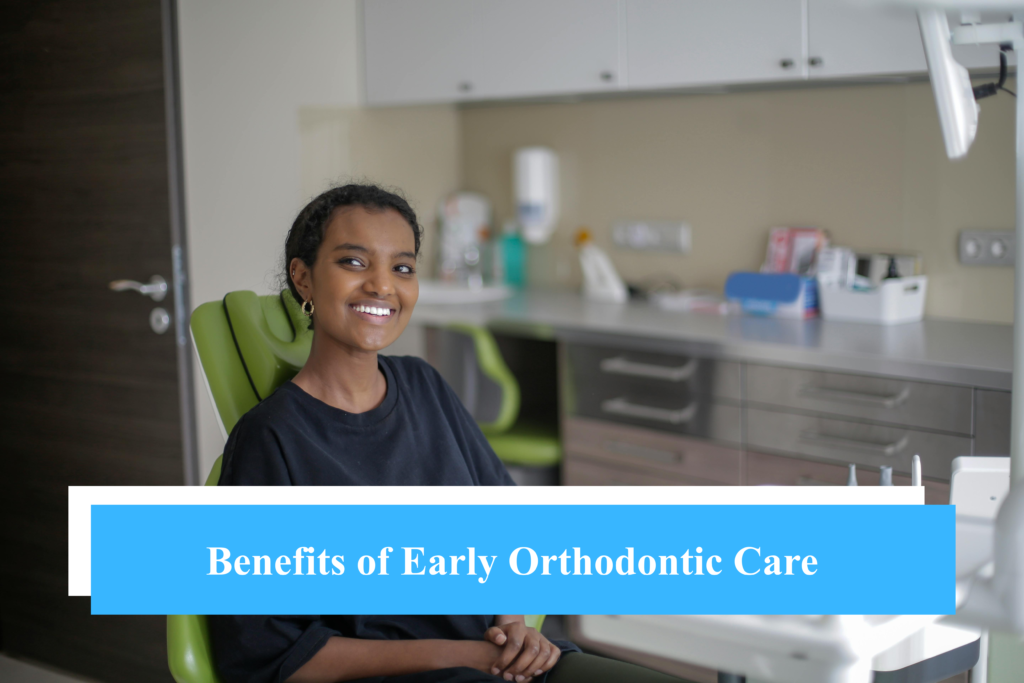
Parents always want the best for their children, especially when it comes to health and confidence. Dental development plays a major role in a child’s overall well-being, and orthodontic care is an important part of that journey. Many parents believe orthodontic treatment only starts during the teenage years, but experts now recommend much earlier evaluations.
Early orthodontic care can identify developing dental and jaw problems before they become severe. By treating issues at the right stage of growth, orthodontists can guide the development of the teeth and jaws more effectively.
In Abu Dhabi, more parents are recognizing the value of preventive orthodontic treatment for children. Early intervention not only improves smiles but also supports better oral health, speech, breathing, and facial development.
Table of Contents
ToggleWhat Is Early Orthodontic Care?
Early orthodontic care, also called Phase I orthodontic treatment, usually begins between the ages of 7 and 10. At this stage, children still have a mixture of baby teeth and permanent teeth, allowing orthodontists to detect and correct developing issues early.
Early orthodontic care, or Phase I treatment (typically around ages 7–10), guides jaw development, corrects bite issues, and creates space for permanent teeth while the mouth is still growing. This stage is highly beneficial because children’s jawbones are still developing and easier to guide.
The primary goal of early treatment is to create a healthier environment for permanent teeth and proper jaw alignment.
Why Age 7 Is Important for Orthodontic Evaluation
The American Association of Orthodontists recommends that children have their first orthodontic evaluation around age 7, as this is when the first adult front teeth begin to emerge.
At this age, orthodontists can identify hidden problems that may not yet be visible to parents. Some bite issues, jaw growth abnormalities, or crowding patterns can worsen over time if left untreated.
An early evaluation does not always mean immediate treatment is necessary. In many cases, the orthodontist simply monitors growth and development until the ideal treatment time arrives.
How Early Orthodontic Treatment Works
Phase I orthodontic treatment focuses on guiding jaw growth and correcting developmental issues before all permanent teeth erupt. Orthodontists may use appliances such as:
- Palatal expanders
- Partial braces
- Space maintainers
- Habit-correcting appliances
- Functional appliances
Because children’s bones are still flexible, orthodontists can achieve corrections more efficiently compared to treatment later in life.
Major Benefits of Early Orthodontic Care
Guided Jaw Growth and Facial Symmetry
One of the biggest advantages of early orthodontic treatment is the ability to influence jaw development while the facial bones are still growing.
Guided jaw growth and facial symmetry are major benefits because early treatment allows orthodontists to fix issues like underbites, crossbites, and severe crowding before they become more serious.
When left untreated, jaw misalignment can affect facial appearance, chewing ability, and speech. Early intervention helps create balanced facial development and healthier bite alignment.
Preventing Future Dental Complications
Many severe orthodontic problems begin during childhood. Addressing them early can prevent long-term complications later.
Early intervention can correct severe crowding by expanding the palate or managing space, which often eliminates the need for adult tooth extractions.
Without enough room for permanent teeth, children may develop impacted teeth, overlapping teeth, or bite irregularities. Early orthodontic care creates proper spacing and reduces future complications.
Reduced Treatment Time and Complexity
Parents often worry about lengthy orthodontic treatments during the teenage years. One major advantage of early care is reducing the complexity of future treatment.
By addressing problems early, the need for extensive, long-term braces or complex, expensive treatments during the teenage years is often significantly reduced.
Children who receive Phase I treatment may still require braces later, but treatment is usually shorter, easier, and more predictable.
Reduced Risk of Tooth Damage
Children with protruding front teeth are more vulnerable to injuries during sports, play, or accidental falls.
Protruding front teeth are more likely to be broken or injured. Early treatment helps bring these teeth into a safer position, protecting them from trauma.
Correcting alignment early can significantly reduce the chances of dental emergencies and long-term tooth damage.
Correcting Harmful Oral Habits
Certain childhood habits can negatively affect jaw growth and tooth alignment.
Treatment can correct problems caused by thumb sucking or tongue thrusting that can affect jaw and tooth development.
If these habits continue for too long, they may lead to open bites, speech difficulties, and jaw problems. Early orthodontic appliances can help stop these habits and guide proper oral development.
Improved Self-Esteem and Confidence
Children can become self-conscious about crooked teeth or jaw irregularities at a very young age.
Correcting tooth alignment early helps improve a child’s self-confidence, while also aiding in better chewing and clearer speech.
A healthy smile can positively impact social interactions, school confidence, and emotional well-being.
Better Speech and Chewing Function
Orthodontic problems can interfere with normal speech patterns and chewing efficiency.
Misaligned bites may make it difficult for children to pronounce certain words correctly or chew food comfortably. Early orthodontic care helps improve oral function while supporting healthy development.
Some children also experience breathing issues related to jaw alignment. Early treatment may help improve airway development and breathing patterns.
Better Long-Term Oral Health
Properly aligned teeth are easier to clean, reducing the risk of decay and gum disease.
Crowded or overlapping teeth often trap food particles and plaque, increasing the risk of cavities and gum inflammation. Straight teeth are easier to brush and floss effectively.
Early orthodontic care supports long-term dental health and helps children develop better oral hygiene habits.
Common Orthodontic Problems in Children
Several orthodontic issues can appear during childhood, including:
- Crowded teeth
- Crossbite
- Overbite
- Underbite
- Open bite
- Jaw misalignment
- Thumb-sucking effects
- Mouth breathing
- Protruding teeth
- Spacing issues
Early detection allows orthodontists to manage these problems before they worsen.
Signs Your Child May Need Early Orthodontic Treatment
Parents in Abu Dhabi should schedule an orthodontic evaluation if they notice:
- Difficulty chewing
- Mouth breathing
- Thumb sucking after age 5
- Early or late loss of baby teeth
- Crooked teeth
- Jaw clicking sounds
- Speech problems
- Teeth grinding
- Protruding front teeth
- Facial asymmetry
These signs may indicate developing orthodontic concerns.
Types of Early Orthodontic Treatments
Different treatment methods are used depending on the child’s needs.
Palatal Expanders
Used to widen the upper jaw and create space for permanent teeth.
Partial Braces
Correct alignment issues affecting specific teeth.
Space Maintainers
Prevent neighboring teeth from shifting after premature tooth loss.
Habit Appliances
Help stop thumb sucking or tongue thrusting habits.
Functional Appliances
Guide jaw growth and improve bite alignment.
Does Every Child Need Phase I Orthodontics?
Not every child requires early orthodontic treatment. Some children only need observation until all permanent teeth emerge.
However, children with severe crowding, bite issues, or jaw growth problems often benefit greatly from early intervention.
An orthodontic evaluation helps determine the best timing for treatment.
Benefits of Early Orthodontic Care in Abu Dhabi
Families in Abu Dhabi increasingly seek early orthodontic care because of growing awareness about preventive dentistry and advanced pediatric orthodontic services.
Orthodontic clinics in Abu Dhabi offer modern technology, personalized treatment plans, and child-friendly care designed to make treatment comfortable and effective.
Starting treatment early can help children avoid complicated orthodontic procedures later in life while improving confidence and oral health from a young age.
Choosing the Right Orthodontist in Abu Dhabi
When selecting an orthodontist for your child, consider:
- Experience with pediatric orthodontics
- Advanced orthodontic technology
- Positive patient reviews
- Customized treatment plans
- Comfortable clinic environment
- Flexible appointment scheduling
A qualified orthodontist can create the right treatment plan tailored to your child’s growth and dental development.
Frequently Asked Questions
What age should a child first see an orthodontist?
Most experts recommend an orthodontic evaluation by age 7.
Is early orthodontic treatment painful?
Most treatments involve minimal discomfort and children adapt quickly.
Will my child still need braces later?
Some children may still need braces, but treatment is often shorter and less complicated.
How long does Phase I treatment last?
Treatment usually lasts between 9 and 18 months, depending on the condition.
Is early orthodontic treatment worth it?
Yes. Early treatment can prevent severe dental issues, improve oral health, and reduce future treatment costs.
Conclusion
The benefits of early orthodontic care go far beyond achieving a straighter smile. Early treatment supports healthy jaw growth, improves facial symmetry, prevents severe dental complications, and boosts a child’s confidence.
By identifying orthodontic problems early, parents can help their children enjoy healthier teeth, improved speech, better oral function, and reduced treatment complexity later in life.
If you are considering orthodontic treatment for your child in Abu Dhabi, scheduling an early orthodontic evaluation can be an important step toward lifelong oral health and confidence.