
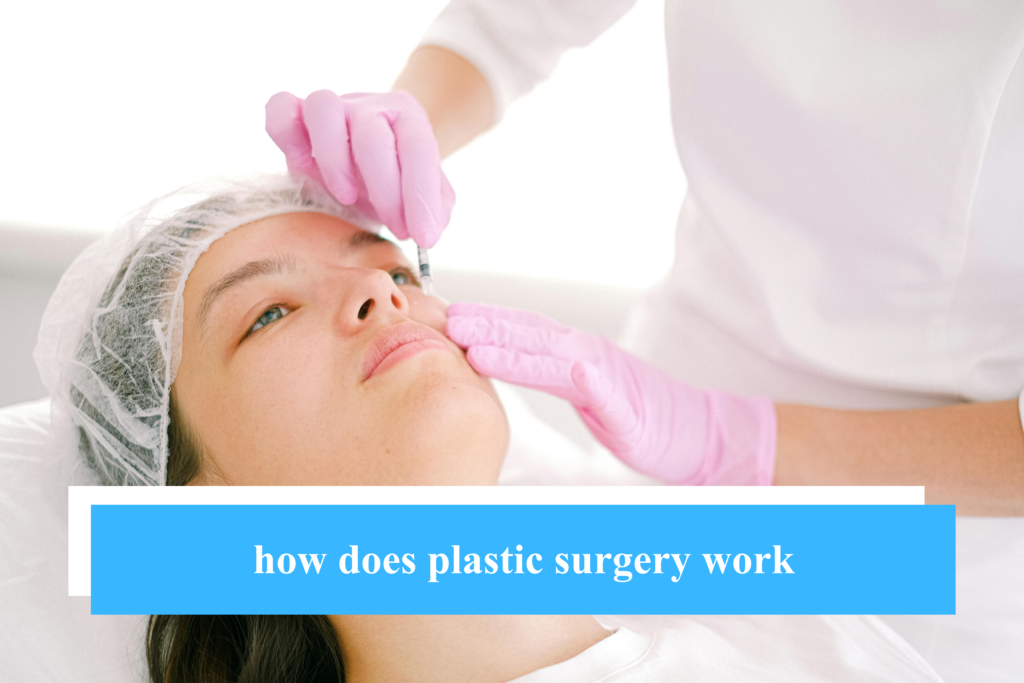
Plastic surgery is a specialized medical field focused on repairing, reconstructing, or enhancing different parts of the body. Whether performed for medical reasons or aesthetic improvement, plastic surgery combines advanced surgical techniques with medical expertise to improve appearance, restore function, and boost confidence.
Today, plastic surgery has become increasingly popular worldwide, including in Abu Dhabi, where modern clinics and experienced surgeons offer advanced cosmetic and reconstructive procedures using the latest technologies.
This guide explains how plastic surgery works, the different techniques used, the procedure process, recovery expectations, and what patients should know before choosing treatment.
Table of Contents
ToggleUnderstanding Plastic Surgery
Plastic surgery works by repairing, reconstructing, or enhancing body tissues through surgical and non-surgical techniques to improve function or appearance. It includes reconstructive surgery to correct defects and cosmetic surgery to improve aesthetics.
Plastic surgery is generally divided into two major categories:
1. Reconstructive Plastic Surgery
Reconstructive surgery focuses on restoring normal function and appearance after injuries, diseases, congenital conditions, or trauma.
Common reconstructive procedures include:
- Burn reconstruction
- Scar revision
- Breast reconstruction after mastectomy
- Cleft lip and palate repair
- Skin grafting
- Hand surgery
- Trauma reconstruction
The primary goal is to improve physical function while also enhancing appearance.
2. Cosmetic Plastic Surgery
Cosmetic surgery is elective and performed to improve physical appearance and body contour.
Popular cosmetic procedures include:
- Rhinoplasty (nose reshaping)
- Facelift surgery
- Liposuction
- Tummy tuck
- Breast augmentation
- Eyelid surgery
- Botox and fillers
These treatments help patients achieve desired aesthetic goals and improve self-confidence.
How Plastic Surgery Works: Key Techniques and Mechanisms
Plastic surgery involves several advanced techniques depending on the patient’s condition, treatment goals, and the area being treated.
Tissue Transfer and Grafts
One of the most important techniques in reconstructive surgery is tissue transfer.
Surgeons move healthy skin, fat, or muscle from one part of the body (donor site) to another (recipient site) to repair wounds or damaged areas. This process is commonly used for burn injuries, trauma repair, and reconstructive procedures.
Skin grafts help cover damaged tissue and encourage healing.
Common Types of Grafts
- Skin grafts
- Fat grafting
- Bone grafts
- Cartilage grafts
Fat grafting is also commonly used in cosmetic procedures to restore facial volume or enhance body contours naturally.
Tissue Expansion
Tissue expansion is another technique used in plastic surgery.
A balloon-like device is inserted under the skin and gradually filled with saline solution over time. This stretches the skin slowly, allowing the body to “grow” extra skin for repairing nearby damaged areas.
This method is commonly used for:
- Breast reconstruction
- Burn repair
- Scalp reconstruction
- Scar correction
Tissue expansion helps surgeons match skin texture and color more naturally.
Body Contouring Procedures
Body contouring reshapes specific body areas by removing excess fat or skin.
Procedures such as liposuction remove stubborn fat deposits, while surgeries like abdominoplasty (tummy tuck) tighten muscles and remove excess skin to create a firmer appearance.
Popular Body Contouring Treatments
- Liposuction
- Tummy tuck
- Arm lift
- Thigh lift
- Body lift after weight loss
These procedures are especially popular among patients who have experienced major weight loss or pregnancy-related body changes.
Implants and Grafts
Plastic surgeons may use implants or biological tissue to enhance body shape or restore lost volume.
Synthetic implants are commonly used in:
- Breast augmentation
- Chin augmentation
- Facial contouring
Biological grafting, such as fat transfer, uses the patient’s own fat cells for natural enhancement.
Breast reconstruction after cancer treatment often combines implants with tissue grafting techniques to restore breast shape.
Microsurgery
Microsurgery is one of the most advanced areas of plastic surgery.
Specialized surgical instruments and microscopes allow surgeons to reconnect tiny blood vessels and nerves during tissue transfer procedures.
Microsurgery is commonly used in:
- Complex trauma reconstruction
- Hand surgery
- Nerve repair
- Free flap reconstruction
This technique improves blood circulation and tissue survival after surgery.
The Plastic Surgery Procedure Process
Understanding the plastic surgery process helps patients prepare physically and mentally for treatment.
Initial Consultation
The process begins with a detailed consultation.
During this stage, the plastic surgeon evaluates:
- Medical history
- Current health condition
- Treatment goals
- Skin quality
- Body structure
- Expected outcomes
Patients also discuss potential risks, recovery time, and costs.
Anesthesia
Plastic surgery procedures are performed under local anesthesia, sedation, or general anesthesia depending on the complexity of the treatment.
- Local anesthesia numbs a small area
- Sedation helps patients relax
- General anesthesia keeps patients asleep during surgery
The surgeon and anesthesiologist determine the safest option for each patient.
Surgical Incisions
The surgeon carefully makes incisions to access underlying tissues, muscles, or bone structures.
Incisions are often hidden within natural body contours or skin folds to minimize visible scarring.
Examples include:
- Around the hairline during facelifts
- Inside the nostrils for rhinoplasty
- Beneath the breast fold for augmentation
Advanced surgical techniques help reduce scarring and improve healing.
Tissue Modification and Reshaping
The surgeon modifies tissues using various methods such as:
- Cutting
- Repositioning
- Tightening muscles
- Removing excess fat
- Adding implants
- Fat grafting
The exact method depends on the type of procedure being performed.
For example:
- Rhinoplasty reshapes nasal cartilage and bone
- Liposuction removes fat using suction technology
- Facelifts tighten facial tissues and skin
Closure and Recovery
After completing the procedure, the surgeon closes the incisions using:
- Sutures (stitches)
- Surgical staples
- Skin adhesives
- Surgical tape
Dressings or compression garments may be applied to reduce swelling and support healing.
Patients are then monitored during recovery before returning home or staying overnight if needed.
Non-Surgical Plastic Surgery Treatments
Not all cosmetic improvements require surgery.
Modern aesthetic medicine offers non-surgical options that provide temporary enhancements with minimal downtime.
Popular Non-Surgical Treatments
Botox Injections
Botox relaxes facial muscles to reduce wrinkles and fine lines.
Common treatment areas include:
- Forehead lines
- Crow’s feet
- Frown lines
Results usually last 3–6 months.
Dermal Fillers
Fillers restore facial volume and improve contour.
Common uses include:
- Lip enhancement
- Cheek augmentation
- Jawline contouring
- Under-eye correction
Most fillers contain hyaluronic acid and provide temporary results.
Laser Treatments
Laser technology improves:
- Skin texture
- Pigmentation
- Acne scars
- Wrinkles
- Hair removal
Laser procedures stimulate collagen production for healthier-looking skin.
Recovery After Plastic Surgery
Recovery varies depending on the procedure type, patient health, and surgical complexity.
Common Recovery Symptoms
Patients may experience:
- Swelling
- Bruising
- Mild discomfort
- Tightness
- Temporary numbness
These symptoms usually improve gradually over several weeks.
Recovery Tips
For optimal healing, patients should:
- Follow surgeon instructions carefully
- Avoid smoking
- Stay hydrated
- Wear compression garments if required
- Avoid strenuous activities
- Attend follow-up appointments
Healthy lifestyle habits can improve long-term results.
Risks and Complications of Plastic Surgery
Like any surgical procedure, plastic surgery carries some risks.
Possible complications include:
- Infection
- Bleeding
- Scarring
- Anesthesia reactions
- Implant complications
- Delayed healing
- Asymmetry
Choosing a qualified and experienced plastic surgeon significantly reduces these risks.
How Long Do Plastic Surgery Results Last?
Results depend on the procedure type, lifestyle, aging process, and skin condition.
Long-Lasting Surgical Results
Procedures such as:
- Rhinoplasty
- Tummy tuck
- Breast augmentation
- Facelift surgery
can provide long-term improvements.
However, natural aging still continues over time.
Temporary Non-Surgical Results
Non-surgical treatments require maintenance sessions.
Examples include:
- Botox every few months
- Dermal fillers every 6–18 months
- Laser skin treatments periodically
Consistent skincare and healthy habits help maintain results longer.
Benefits of Plastic Surgery
Plastic surgery can provide both physical and emotional benefits.
Physical Benefits
- Improved body contour
- Better facial symmetry
- Enhanced function after injury
- Reduced discomfort from excess skin
- Improved mobility
Emotional Benefits
Many patients experience:
- Increased confidence
- Better self-esteem
- Improved social comfort
- Greater satisfaction with appearance
Realistic expectations remain important for overall satisfaction.
Choosing the Right Plastic Surgeon in Abu Dhabi
When considering plastic surgery in Abu Dhabi, selecting a qualified specialist is essential.
What to Look For
Choose a surgeon with:
- Board certification
- Extensive experience
- Positive patient reviews
- Modern surgical facilities
- Transparent consultation process
Patients should also review before-and-after photos and ask detailed questions during consultation.
Final Thoughts
Plastic surgery works by combining medical science, advanced surgical techniques, and artistic precision to repair, reconstruct, or enhance the body. From reconstructive procedures that restore function to cosmetic treatments that improve appearance, plastic surgery offers personalized solutions for many different needs.
Modern techniques such as tissue grafting, microsurgery, body contouring, implants, and non-surgical treatments continue to make procedures safer and more effective than ever before.
For patients in Abu Dhabi seeking aesthetic enhancement or reconstructive care, consulting with an experienced plastic surgeon is the first step toward achieving safe and natural-looking results.