
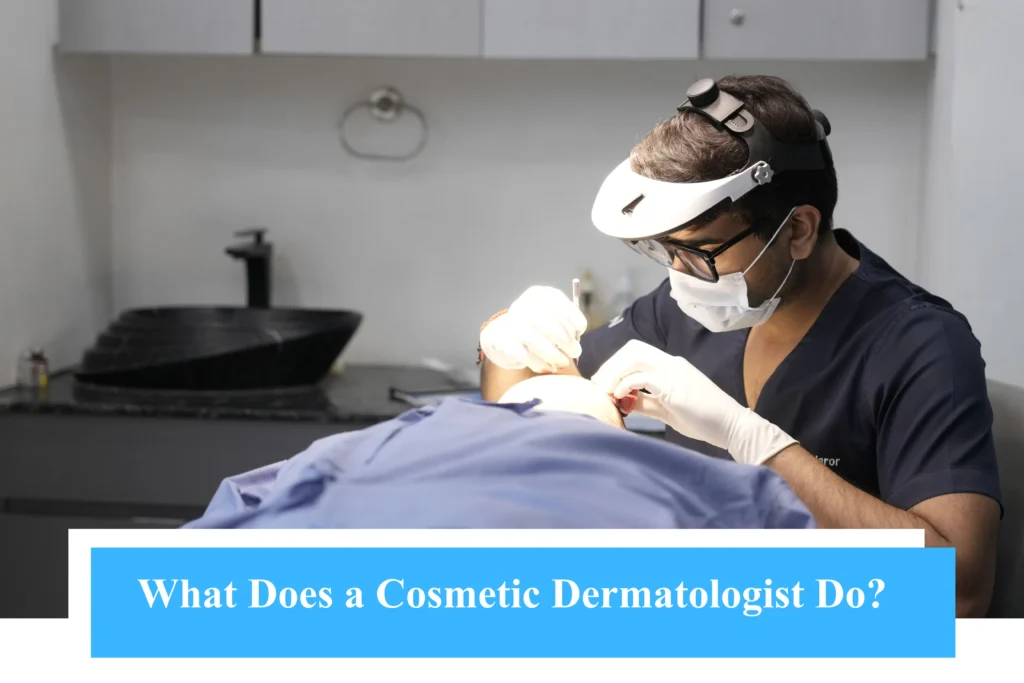
Cosmetic dermatology combines knowledge of skin disease with an understanding of procedures, anatomy and healing. A qualified dermatologist can also recognize when a concern needs medical assessment before aesthetic treatment.
Table of Contents
ToggleCosmetic Dermatology and Medical Dermatology
Medical dermatology focuses on diagnosing and treating conditions such as eczema, psoriasis, acne and skin cancer. Cosmetic dermatology focuses on appearance. The two can overlap, particularly when acne, scarring or pigmentation affects confidence and daily life.
For example, a person with acne scars may first need better control of active acne. Someone requesting removal of a pigmented lesion may need a diagnostic examination before any cosmetic procedure. Improving appearance should not obscure a medical problem.
Common Cosmetic Dermatology Treatments
Botulinum Toxin for Expression Lines
Botulinum toxin injections reduce activity in selected muscles to soften certain expression lines. They work differently from dermal fillers and do not treat every type of wrinkle. The effect is temporary, and suitability depends on the treatment area, health history and desired result.
Possible unwanted effects include bruising or temporary weakness in nearby muscles. A consultation should cover the product used, expected changes and what to do if a complication occurs.
Dermal Fillers for Selected Volume Concerns
Dermal fillers can add volume or alter contours in selected areas. The choice of material and injection technique matters. Swelling and bruising can occur, and serious complications are possible if filler enters or blocks a blood vessel.
Avoid assuming that needle-free devices make filler treatment risk-free. The American Academy of Dermatology warns that these devices can cause serious injury. Ask who will perform the procedure and how the clinic manages emergencies.
Chemical Peels and Resurfacing Procedures
Chemical peels use controlled application of a chemical solution to improve selected surface concerns. Laser and other light-based treatments may target particular pigments, vessels or aspects of skin texture. These procedures are different from one another and are not suitable for every person.
Treatment intensity, skin tone, recent sun exposure and history of pigment changes influence planning. Recovery can involve redness, sensitivity or peeling. Burns, infection and changes in pigmentation are possible complications, which is why individualized selection is important.
Acne Scar and Hair Removal Treatments
A dermatologist may discuss procedures for selected scars or unwanted hair. Scar treatment depends on whether the concern is an indentation, a raised scar or a color change. Several approaches may be considered, and complete removal of every scar is rarely a realistic expectation.
Laser hair removal generally involves a course of treatment rather than a guaranteed permanent result after one session. The device and settings must suit the hair and skin being treated.
What Happens During a Cosmetic Consultation?
The dermatologist asks about your concerns, previous procedures, medicines, allergies and skincare routine. They examine the treatment area and discuss what can reasonably improve, how long results may last and whether alternatives make sense.
A useful consultation also covers downtime, cost, aftercare and the possibility of needing further treatment. Photographs may help document a baseline when you consent. You should have enough information to decide without pressure to book immediately.
Choosing a Qualified Provider
Check the clinician’s medical registration and recognized dermatology qualifications in your country. Ask about experience with the proposed treatment and patients with a similar skin tone. A short aesthetic course alone does not establish specialist dermatology training.
Before agreeing, ask who performs the procedure, where it takes place and how complications are handled. Understand the follow-up arrangements and receive clear aftercare instructions.
How a Dermatologist Matches Treatment to the Concern
A useful treatment plan starts by defining the problem accurately. “Dull skin,” “uneven texture” and “dark spots” describe appearances, but they do not establish the cause. The dermatologist needs to understand whether the concern reflects a skin condition, sun-related change, a scar or another process before recommending a procedure.
Be precise about your goal. You might want a particular line softened, an acne scar made less noticeable or a pigmentation problem assessed. Saying that you want “better skin” can lead to a discussion that is too broad. Bring examples of the feature that bothers you, while recognizing that another person’s photograph is not a realistic treatment blueprint for your own anatomy.
The clinician should also identify when treatment would be premature. For example, it may be sensible to control an active skin problem before addressing its residual marks. If the diagnosis is uncertain, medical assessment should take priority over treating the area for appearance alone.
Dark Spots and Uneven Skin Tone
Not every dark spot has the same cause. Marks after inflammation differ from some forms of pigmentation associated with sun exposure or hormonal factors. A changing or unusual pigmented lesion needs assessment rather than being treated automatically with a peel or laser.
For appropriate pigmentation concerns, a plan may involve skincare, prescription treatment, sun protection or selected procedures. Ask what type of pigmentation the dermatologist suspects and why the proposed approach is suitable. The possibility of recurrence should be part of the discussion, particularly when ongoing triggers remain.
Avoid expecting an aggressive procedure to be better simply because it produces more visible peeling or a longer recovery. Treatment intensity should follow the diagnosis, your skin and the risk-benefit assessment. Pigment changes after a procedure can be especially relevant for people with a history of post-inflammatory hyperpigmentation.
Acne Marks Versus Acne Scars
Flat color changes after acne are different from changes in the skin’s contour. An indentation, a raised scar and a dark mark may require different approaches. Describing all three as “acne scars” can make treatment expectations confusing.
Ask the dermatologist to identify the types of changes present and which ones the proposed treatment is intended to improve. You may need a combination of approaches, or you may decide that the likely improvement is not worth the recovery and cost. Existing scars may become less noticeable without disappearing completely.
The American Academy of Dermatology emphasizes that laser scar treatment can reduce a scar’s appearance rather than erase it. A discussion should include the likely course of treatment and appropriate protection before and after the procedure. Continuing to develop active acne can also affect the longer-term outcome, so it is important to discuss ongoing breakouts.
Skin Tone and Previous Reactions Matter
Tell the dermatologist if you have developed dark marks after minor injuries, reacted to previous treatments or had abnormal scars. These details may influence procedure selection and aftercare. Experience treating your skin tone is a useful consideration when choosing a provider.
Also describe recent tanning or sun exposure. Depending on the procedure, the clinic may recommend postponement or preparation. Do not hide these details to keep a booking date; an accurate history helps the clinician choose an appropriate time and approach.
A test area may be discussed for some treatments, but it is not a universal guarantee of safety. Ask what the clinic can reasonably predict and which uncertainties remain. A responsible consultation acknowledges limits instead of promising identical outcomes for everyone.
Planning Around Recovery and Daily Life
Downtime has several meanings. You may be physically able to work while still having visible redness, swelling or peeling. Conversely, a procedure may require specific aftercare even when it looks minor. Ask about both appearance and activity restrictions.
Explain upcoming events, travel and work commitments. Booking treatment immediately before a wedding or important presentation can leave little room for an unexpected reaction. The clinician can help determine whether the timing is sensible, but no clinic can guarantee that recovery will follow your preferred schedule exactly.
Get instructions in writing when possible. Clarify which products to pause, when to resume routine skincare and who to contact for concerns. Follow the instructions for the exact procedure you received rather than advice intended for a different treatment.
Understanding Cost and Maintenance
The initial price is only part of the commitment. Ask whether the estimate covers one session, a series, follow-up visits or adjustments. Find out what ongoing maintenance may be recommended and whether that is optional or important to the planned result.
For temporary treatments, consider whether you want repeated appointments. For a course of procedures, ask when the result will be assessed and whether there are reasons to stop or change the plan. Agreeing to a treatment should not mean committing to an unlimited sequence of procedures.
Compare providers on qualifications, communication and the appropriateness of their advice as well as price. A low advertised fee may not include everything you need, while a higher fee does not by itself prove quality. Request a clear description of what is being offered.
When Cosmetic Treatment Should Be Delayed
If you have an unexplained rash, active infection or a suspicious lesion in the area, get it assessed before proceeding. A dermatologist may also defer treatment after reviewing medicines, health conditions or other factors affecting risk. These decisions should be explained in terms you understand.
You can decide against a procedure after consultation. If the expected change is small, the maintenance is inconvenient or the risks feel unacceptable, that is a valid outcome. Cosmetic dermatology is most useful when the plan fits a clearly defined concern and an informed decision.
Frequently Asked Questions
Can a Cosmetic Dermatologist Treat Acne?
Yes, dermatologists treat acne medically and may address residual scars or pigmentation. Cosmetic procedures should be planned around the condition of your skin.
Are Cosmetic Treatments Permanent?
Some changes may last longer than others, but aging, sun exposure and the underlying concern can continue. Ask about the likely duration of the specific treatment rather than expecting a permanent result.
Do You Need a Procedure at the First Visit?
No. A consultation may lead to skincare advice, medical treatment, further assessment or a decision to defer treatment. The appropriate plan depends on your needs.