If you are considering liposuction in Abu Dhabi, understanding how the procedure works, who may benefit from it, what techniques are available, and what recovery involves can help you make an informed decision.
Liposuction is a surgical procedure performed by a qualified surgeon to remove excess fat from selected areas of the body. It is designed to improve body proportions and create a more defined appearance rather than provide overall weight loss.
This guide explains everything you need to know about liposuction, including its techniques, potential benefits, treatment areas, risks, recovery process, and what to consider before choosing a cosmetic/Dermatology surgery clinic in Abu Dhabi.
Table of Contents
ToggleWhat Is Liposuction?
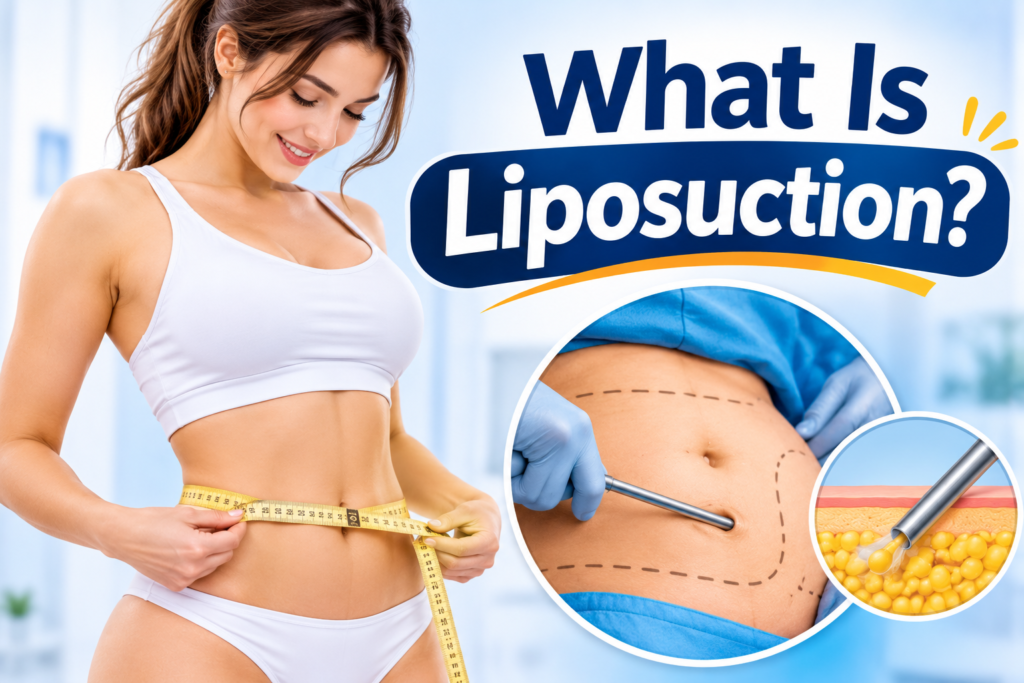
Liposuction is a surgical and cosmetic procedure that uses a suction technique to remove localized fat deposits from specific areas of the body, such as the abdomen, hips, thighs, buttocks, arms, or neck. It is also known as lipoplasty or body contouring.
The primary purpose of liposuction is to improve body shape by targeting stubborn fat pockets that may not respond effectively to diet and exercise.
During the procedure, a plastic surgeon makes small incisions in the targeted area and inserts a thin, hollow surgical tube called a cannula. This instrument helps loosen and remove unwanted fat through suction.
Liposuction can be performed on different body areas depending on the patient’s anatomy, health condition, and aesthetic goals.
It is important to understand that liposuction is not a treatment for obesity or a substitute for a healthy lifestyle. Instead, it is generally considered for individuals who are close to their preferred body weight but have specific areas of excess fat.
For people exploring cosmetic treatments in Abu Dhabi, a consultation with an experienced plastic surgeon can help determine whether liposuction is an appropriate option.
How Does Liposuction Work?
Liposuction works by physically removing fat cells from selected areas beneath the skin. Unlike non-surgical fat-reduction treatments, it involves a surgical process using specialized instruments.
The procedure generally follows several steps.
1. Initial Consultation and Assessment
Before surgery, the plastic surgeon evaluates your overall health, medical history, skin elasticity, body composition, and treatment expectations.
The surgeon also examines the areas where fat removal is being considered. This assessment helps determine whether liposuction can achieve the desired improvement and which surgical approach may be suitable.
2. Anaesthesia
Depending on the treatment area, the amount of fat being removed, and the surgical plan, liposuction may involve local anaesthesia, sedation, or general anaesthesia.
Your surgeon and anaesthesia team will discuss the appropriate option before the procedure.
3. Small Incisions
Once the treatment area is prepared, the surgeon makes small incisions in carefully selected locations.
A thin cannula is inserted through these openings to access the targeted fat deposits.
4. Fat Removal
The cannula is moved carefully through the fatty tissue to loosen and remove fat cells using suction equipment.
The surgeon works to create a balanced contour while considering the surrounding tissues and natural body proportions.
5. Closing the Incisions
After the required fat removal is completed, the surgical team manages the incisions according to the treatment plan. Dressings or compression garments may be applied to support the healing process.
The duration of surgery depends on the number of areas being treated and the complexity of the procedure. <sup>Medical reference: Mayo Clinic.</sup>
What Areas of the Body Can Liposuction Treat?
One of the main reasons people consider liposuction is its ability to target specific areas of the body.
Although individual suitability varies, common treatment areas include:
1. Abdominal Liposuction
The abdomen is one of the most frequently treated areas. Some people develop stubborn fat around their stomach despite maintaining a regular exercise routine.
Abdominal liposuction can help reduce localized fat deposits and improve the appearance of the waistline.
2. Thigh Liposuction
Fat can accumulate around the inner and outer thighs, affecting the overall proportions of the lower body.
Thigh liposuction may help create a more balanced contour by reducing selected fat deposits.
3. Arm Liposuction
Excess fat around the upper arms can sometimes create a fuller appearance.
Liposuction may help reduce localized fat in this area, although skin elasticity plays an important role in determining the final outcome.
4. Hip and Flank Liposuction
The hips and flanks, commonly called love handles, are areas where fat can be particularly resistant to lifestyle changes.
Removing localized fat deposits from these regions may improve the transition between the waist and hips.
5. Chin and Neck Liposuction
Liposuction can also be used to reduce selected fat deposits beneath the chin and around the neck.
This may help create a more defined jawline and improve the appearance of the lower face.
6. Back Liposuction
Some individuals develop excess fat around the upper or lower back.
Back liposuction can target these deposits to improve overall body proportions.
A surgeon must assess skin quality, fat distribution, and individual anatomy before recommending treatment. Liposuction does not automatically correct loose skin or cellulite.
What Are the Different Types of Liposuction?
Modern cosmetic surgery offers several liposuction techniques. The most appropriate method depends on the patient’s needs, treatment area, medical history, and the surgeon’s professional assessment.
Here are some commonly used approaches.
1. Tumescent Liposuction
Tumescent liposuction is a widely used technique that involves injecting a special fluid into the targeted area before fat removal.
This solution typically contains sterile saline, a local anaesthetic, and epinephrine.
The fluid helps numb the treatment area, reduce bleeding, and make fat removal more manageable.
After the solution has been administered, the surgeon inserts a cannula to remove the targeted fat through suction.
2. Ultrasound-Assisted Liposuction (UAL)
Ultrasound-assisted liposuction uses ultrasonic energy to help break down or emulsify fat before it is removed.
VASER is a technology associated with ultrasound-assisted liposuction.
This approach may be considered for selected treatment areas where the surgeon believes ultrasound assistance could be beneficial.
However, it is not automatically superior to traditional techniques. Patients should discuss the potential benefits and limitations with their surgeon.
3. Laser-Assisted Liposuction (LAL)
Laser-assisted liposuction uses laser energy to help disrupt fat cells before removal.
The surgeon introduces a laser fibre through a small incision to deliver controlled energy to the targeted tissue.
The technique may also produce some tissue-heating effects, but results vary, and it should not be considered a guaranteed skin-tightening solution.
4. Traditional Suction-Assisted Liposuction
Traditional suction-assisted liposuction uses a cannula connected to a vacuum system to remove unwanted fat.
The surgeon carefully moves the instrument through the targeted area to remove fat and improve body contours.
Your plastic surgeon can explain which technique is most suitable for your treatment goals and why.
Is Liposuction a Weight-Loss Procedure?
No. Liposuction is not designed for general weight loss or the treatment of obesity.
Its purpose is to remove localized fat deposits and improve body shape. People who are significantly overweight may benefit more from a medically supervised weight-management programme or other appropriate treatments.
Ideal candidates are generally close to a stable, healthy body weight and have specific areas of fat that remain despite consistent lifestyle habits.
For example, someone may maintain a balanced diet, exercise regularly, and still have stubborn fat around the abdomen or hips. In such cases, liposuction may be considered after an appropriate medical assessment.
It is also important to remember that liposuction does not prevent future weight gain. Maintaining a stable weight after surgery can help preserve the results.
Who Is a Good Candidate for Liposuction?
Not everyone is suitable for liposuction. A detailed consultation is necessary to assess whether the procedure is appropriate.
Generally, potential candidates may include individuals who:
- Are in good overall health.
- Have localized fat deposits in specific body areas.
- Are close to a stable and healthy body weight.
- Have reasonably firm and elastic skin.
- Do not have medical conditions that significantly increase surgical risks.
- Have realistic expectations about the outcome.
- Understand the procedure, recovery requirements, and possible complications.
People with certain medical conditions, circulation problems, or healing difficulties may require additional assessment.
Smoking and some medications can also affect surgical safety and recovery.
If you are considering liposuction in Abu Dhabi, discuss your medical history and aesthetic concerns openly during your consultation. A qualified surgeon can help determine whether surgery is appropriate or whether another treatment may better meet your needs.
What Are the Benefits of Liposuction?
Liposuction can offer several aesthetic benefits when performed on appropriately selected patients.
Improved Body Contouring
The procedure removes selected fat deposits to improve body proportions and create a more defined appearance.
Targeted Fat Reduction
Unlike general weight-loss methods, liposuction allows a surgeon to focus on particular areas where excess fat is concentrated.
Long-Lasting Results
Removed fat cells do not typically return in the same way, although the remaining fat cells can enlarge if a person gains weight.
Maintaining a healthy lifestyle is important for preserving the outcome.
Better Body Proportions
Reducing fat in selected areas may help create a more balanced relationship between the waist, hips, thighs, and other treated areas.
Personalized Treatment
Liposuction can be planned according to individual anatomy and aesthetic goals. Treatment may involve one or multiple areas, depending on what is medically appropriate.
It is important to understand that results differ between individuals, and no cosmetic procedure can guarantee a particular body shape.
What Are the Risks and Possible Side Effects of Liposuction?
Although liposuction is a commonly performed cosmetic surgery, it is still an invasive medical procedure and carries potential risks.
Understanding these risks is an essential part of deciding whether surgery is right for you.
Common temporary side effects include:
- Swelling around the treated area.
- Bruising and tenderness.
- Temporary numbness or changes in skin sensation.
- Mild discomfort during recovery.
- Fluid drainage from small incision sites.
Less common but more serious complications may include:
- Infection.
- Excessive bleeding.
- Fluid accumulation beneath the skin.
- Uneven body contours or asymmetry.
- Changes in skin colour.
- Blood clots.
- Fat embolism.
- Damage to deeper tissues or internal organs.
- Complications related to anaesthesia.
The possibility of complications can depend on several factors, including the amount of fat removed, the number of areas treated, the patient’s medical history, and the surgical setting.
Choosing an appropriately qualified plastic surgeon and a properly equipped medical facility is essential. Your surgeon should explain the specific risks relevant to your circumstances before obtaining informed consent.
What Is the Recovery Time After Liposuction?
Recovery is an important part of the liposuction journey. Although the procedure removes unwanted fat, the body still needs time to heal.
The recovery period varies according to the treatment area, surgical technique, amount of fat removed, and individual healing response.
First Few Days
Swelling, bruising, soreness, and tenderness are common during the initial recovery period.
Your surgeon may recommend prescribed medication, wound care, and gentle walking to support recovery.
First Two Weeks
Many patients gradually resume light daily activities during this period, depending on the extent of surgery and their surgeon’s instructions.
You may still experience swelling and changes in skin sensation.
Following Several Weeks
A compression garment is commonly recommended for several weeks to help manage swelling and support the treated areas.
Your surgeon will advise when it is appropriate to resume exercise, lifting, and other strenuous activities.
After Two to Six Months
Swelling gradually decreases, and the treated areas begin to show their developing contours more clearly.
Final results may take several months to become visible as the tissues settle and healing progresses.
Remember that recovery timelines are individual. Always follow your surgeon’s instructions rather than relying on general timelines. <sup>Medical reference: NHS and Mayo Clinic.</sup>
How Can You Maintain Your Liposuction Results?
Liposuction can provide long-lasting changes to treated areas, but maintaining the outcome requires healthy lifestyle habits.
Here are some practical recommendations:
Maintain a Stable Weight: Significant weight fluctuations can affect your body proportions and reduce the visibility of your results.
Follow a Balanced Diet: Include vegetables, fruits, lean proteins, whole grains, and other nutritious foods in your daily meals.
Stay Physically Active: Once your surgeon approves exercise, gradually return to regular physical activity.
Attend Follow-Up Appointments: Your surgeon should monitor your healing progress and address any concerns.
Follow Post-Surgery Instructions: Wear your compression garment for the recommended duration and follow the prescribed aftercare plan.
Remember that liposuction removes selected fat cells but does not prevent new fat accumulation or future weight gain.
Choosing the Right Liposuction Clinic in Abu Dhabi
If you are researching liposuction in Abu Dhabi, selecting the right surgeon and medical facility is just as important as understanding the procedure itself.
Cosmetic surgery requires appropriate medical expertise, careful planning, and suitable postoperative care.
Before choosing a clinic, consider the following factors:
- Verify the Surgeon’s Qualifications
Check that the surgeon holds the appropriate professional licence and has relevant specialist training in plastic surgery.
- Ask About Surgical Experience
Discuss the surgeon’s experience with the specific type of liposuction you are considering.
- Understand the Medical Facility
Make sure the procedure will be performed in an appropriately licensed and equipped medical facility with suitable monitoring and emergency arrangements.
- Discuss the Treatment Plan
Your consultation should include an explanation of the technique, treatment areas, expected outcomes, limitations, and possible risks.
- Ask About Aftercare
Understand how postoperative appointments, wound care, and support will be provided throughout your recovery.
When exploring cosmetic surgery options in Abu Dhabi, prioritize medical qualifications, patient safety, and transparent communication rather than choosing a clinic based only on price or promotional offers.
Frequently Asked Questions About Liposuction
1. What is liposuction used for?
Liposuction is used to remove localized fat deposits from specific body areas, including the abdomen, thighs, hips, arms, back, and neck. Its main purpose is body contouring rather than overall weight loss.
2. Is liposuction a permanent procedure?
Liposuction removes fat cells from the treated areas, and the results can be long-lasting. However, remaining fat cells can enlarge with weight gain, potentially changing the results.
3. Is liposuction painful?
The procedure is performed using an appropriate anaesthesia method to manage pain during surgery. Some soreness, swelling, bruising, and tenderness are common afterward. Your surgeon can recommend suitable pain management.
4. How long does liposuction surgery take?
The duration depends on the number of treatment areas, the surgical technique, and the complexity of the procedure. Some procedures take one to several hours.
5. How long should I wear a compression garment?
Many patients are advised to wear compression garments for several weeks. The exact duration depends on the procedure and your surgeon’s recommendations.
6. Can liposuction remove belly fat?
Liposuction can remove selected deposits of subcutaneous fat beneath the skin in the abdominal area. It does not remove internal visceral fat surrounding abdominal organs.
7. Does liposuction tighten loose skin?
Liposuction primarily removes fat rather than excess skin. If skin elasticity is poor, removing fat may make loose skin more noticeable. Your surgeon can discuss whether another procedure may be appropriate.
8. Can men undergo liposuction?
Yes. Men may consider liposuction to reduce localized fat deposits around the abdomen, flanks, chest, back, and other suitable areas. Individual assessment is necessary.
9. When can I return to exercise after liposuction?
Light movement is generally encouraged early in recovery, but strenuous exercise should be postponed until your surgeon approves it. The timing depends on the extent of the procedure and your healing progress.
10. How can I find a suitable liposuction surgeon in Abu Dhabi?
Look for an appropriately licensed plastic surgeon with relevant surgical experience, a suitable medical facility, transparent consultation practices, and a clear postoperative care plan.
Explore Liposuction Options in Abu Dhabi
Understanding what liposuction is and how it works is the first step toward making an informed decision about body contouring.
Whether you are concerned about stubborn abdominal fat, fuller thighs, unwanted fat around the arms, or deposits beneath the chin, the right treatment plan should always be based on your individual anatomy, health, and expectations.
If you are considering liposuction in Abu Dhabi, arrange a consultation with a qualified plastic surgeon to discuss your concerns, understand the available techniques, and determine whether the procedure is suitable for you.
Ready to Learn More About Liposuction?
Contact our team today to arrange a consultation and learn about available body-contouring options in Abu Dhabi. Get professional guidance, understand your treatment choices, and take the next step towards making an informed decision about your aesthetic goals.