
Gum disease begins when plaque irritates the gums. Early inflammation, known as gingivitis, is often reversible. Periodontitis involves damage to the tissues supporting the teeth and requires more extensive management. Prevention and early treatment are therefore closely connected.
Table of Contents
ToggleBrush Carefully at the Gumline
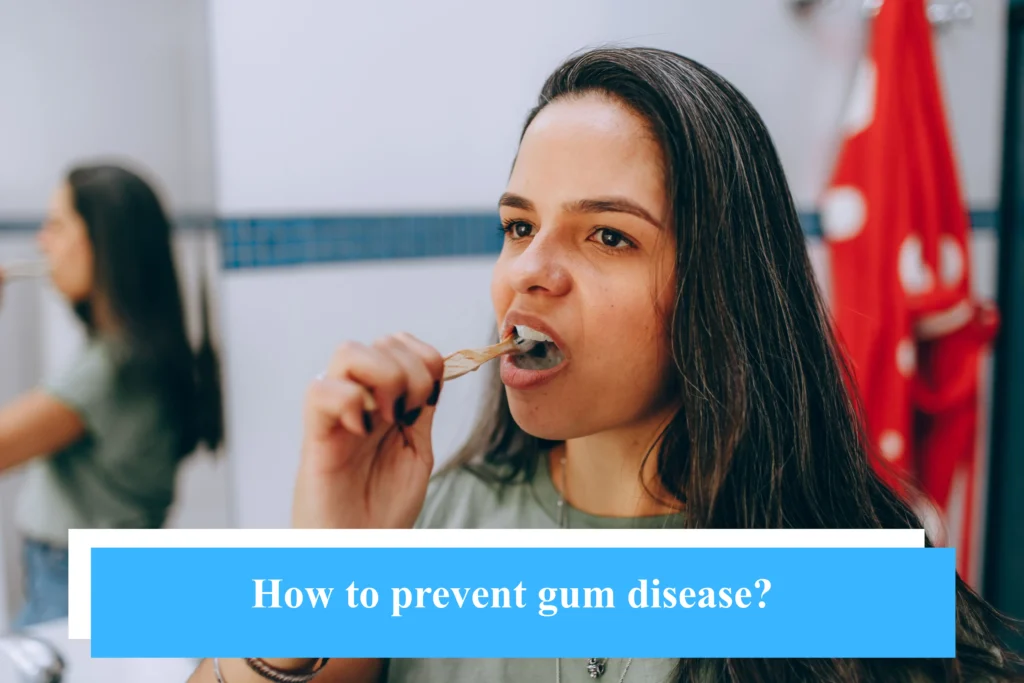
Use fluoride toothpaste and clean all tooth surfaces for about two minutes, twice daily. Include the gumline instead of focusing only on the front teeth. A soft brush and gentle technique can help you clean without repeatedly injuring the gums.
After brushing, spit out the excess toothpaste rather than immediately rinsing it away. Fluoride primarily helps protect teeth against decay; the mechanical removal of plaque is especially important for gum health. Your dentist can help identify areas that your current routine misses.
Clean Between Your Teeth Every Day
A toothbrush does not adequately reach every surface between the teeth. Floss or appropriately sized interdental brushes can help remove plaque from these spaces. The best tool depends on your tooth spacing, restorations and ability to use it comfortably.
Do not force an oversized brush through a tight space or snap floss down onto the gums. Ask a hygienist to demonstrate a technique you can repeat at home. Consistent use matters more than buying several tools without learning how to use them.
Have Tartar Removed Professionally
Plaque that hardens becomes tartar, also called calculus. Ordinary brushing does not remove established tartar. A dental professional can assess where deposits have accumulated and provide appropriate cleaning.
Avoid attempting to scrape deposits away with sharp instruments at home. You can injure gums or tooth surfaces and still leave the underlying problem untreated. Professional treatment should complement, rather than replace, daily cleaning.
Avoid Smoking and Discuss Personal Risk Factors
Smoking is an important risk factor for periodontal disease and can make treatment less successful. If you smoke, ask about support to quit. Gum disease may not always produce obvious bleeding, so a lack of blood does not prove that the gums are healthy.
Diabetes can also affect gum health. Work with your medical team on management and tell your dentist about your diagnosis and medicines. Pregnancy and other changes in health are reasons to review your care plan, not reasons to postpone necessary dental assessment.
Use Mouthwash as an Addition When Appropriate
A mouthwash may be recommended for a particular reason, but it does not replace brushing or interdental cleaning. The product and duration should match the need. Do not assume that a stronger rinse will solve every case of bleeding gums.
If using a fluoride mouthwash, use it at a different time from brushing so it does not immediately wash away the concentrated fluoride left by toothpaste. Ask your dentist whether a rinse is needed at all.
Keep a Personalized Dental Review Schedule
The appropriate interval depends on your oral health and risk. Someone with previous periodontitis may need a maintenance schedule different from a person with consistently healthy gums. Attend the recommended reviews even if your mouth feels comfortable.
At an appointment, ask about bleeding, gum pockets and whether your home technique is working. A practical plan should identify what you need to change and when progress will be assessed.
Recognize Early Warning Signs
Arrange a dental clinic assessment for bleeding during brushing, persistent bad breath, swollen gums or gum recession. Loose teeth and marked swelling need prompt attention. The absence of pain does not rule out periodontal disease.
If you already have periodontitis, do not rely on a prevention routine alone. Treatment and continuing maintenance are needed to control the disease and protect the remaining support around the teeth.
Build a Routine You Can Maintain Every Day
A prevention plan works best when it fits your daily life. Decide when you will brush and when you will clean between teeth, and keep the tools accessible. If the routine is too complicated, ask your dental team to identify the most useful changes first.
Focus on coverage rather than speed or force. It is easy to brush the front teeth thoroughly while repeatedly missing the back surfaces or one side of the mouth. Ask the hygienist which areas show deposits so you can direct attention where it is needed.
If you have limited hand movement, poor vision or difficulty coordinating floss, explain that. There may be alternative tools or assistance that make cleaning more manageable. The aim is an effective routine you can actually perform, rather than an ideal technique you cannot use.
Choosing Interdental Tools for Your Mouth
Floss for Suitable Spaces
Floss can be useful where a brush will not comfortably fit. The technique should clean the sides of the teeth without cutting into the gums. Ask for a demonstration if you find yourself forcing it or repeatedly causing injury.
A floss holder may be easier for some people, but the tool still needs to be used correctly. If you struggle to reach the back teeth, discuss the practical difficulty rather than simply omitting those spaces from your routine.
Interdental Brushes for Appropriate Gaps
Interdental brushes come in different sizes, and one size may not suit every space. The brush should fit appropriately without being forced. Your dental professional can help you select sizes and show how to use them around your particular teeth.
Replace worn tools and follow the product instructions. If the brush bends, becomes uncomfortable or no longer reaches the intended area, review the technique and size. Persistent difficulty may also justify checking the teeth or restorations in that region.
Cleaning Around Bridges and Appliances
A bridge, fixed retainer or other appliance can change how you access an area. Ask for instructions specific to the design. A routine that worked before treatment may need adjustment afterward.
If you have an appliance that you remove, clarify how to clean both the appliance and your mouth. Keeping a device clean does not replace cleaning the teeth and gums around it. Report soreness or changes in fit rather than tolerating a device that repeatedly injures tissue.
Diabetes and Gum Disease Prevention
Diabetes increases the likelihood of periodontal problems, and poorly controlled blood glucose can make oral complications more likely. The National Institute of Dental and Craniofacial Research advises attention to blood glucose management, daily oral hygiene and regular dental care.
Tell the dentist about your diabetes and relevant changes in your health. If your gums become sore or your mouth feels persistently dry, arrange assessment. Keeping the dental and medical teams informed supports a plan that considers your wider health.
Do not interpret gum treatment as a substitute for diabetes care, or diabetes management as a substitute for cleaning. Both are relevant. Ask whether your oral health findings change the recommended review schedule.
Dry Mouth and a More Individualized Prevention Plan
Persistent dry mouth can make everyday oral care less comfortable and is associated with increased risk of decay and oral infection. Medicines and health conditions can contribute. Tell the dentist if your mouth feels sticky, eating is difficult or you regularly need water to speak comfortably.
The cause should be assessed rather than assumed to be a normal feature of aging. Do not stop a prescribed medicine yourself. A clinician can review appropriate options and recommend supportive products when needed.
A dry mouth may also make certain products uncomfortable. Ask which toothpaste or rinse suits your situation and how to maintain cleaning without irritation. Advice should reflect both gum health and the separate risk of tooth decay.
Why Healthy Looking Gums Still Need Assessment
Gum disease can progress without dramatic pain. Looking in a mirror cannot reliably show the condition of tissues below the gumline or the supporting bone. A professional assessment adds information that home observation cannot provide.
Likewise, less visible bleeding does not always mean there is no disease. Risk factors and previous periodontal findings still matter. Follow the schedule recommended for your situation rather than reducing attendance solely because the gums look comfortable.
If you have had treatment for periodontitis, ask what continuing maintenance involves. The aim is to control recurrence and monitor changes, not to treat the previous episode as a permanent guarantee of protection.
Prevention Mistakes That Can Undermine Progress
Brushing harder to compensate for missed sessions can injure the gums without solving the consistency problem. Avoid a cycle of infrequent cleaning followed by aggressive scrubbing. A gentle, complete routine performed regularly is more useful.
Another mistake is cleaning only when the gums bleed. Plaque control needs to continue when symptoms improve. Make the routine habitual instead of using bleeding as the only reminder.
Do not assume that supplements, oil-based routines or a special rinse can replace professional treatment for established disease. If you want to use an additional product, ask whether it has a useful role in your own plan and whether it changes any instructions you have already received.
Reviewing Progress With Your Dental Team
Ask which areas have improved and which still need attention. The dentist or hygienist can help connect the findings with your technique and any professional treatment. This creates a more practical conversation than judging success only by whether bleeding occurred yesterday.
If a recommendation has been difficult to follow, explain why. Cost, access, dexterity and discomfort are relevant barriers that may be addressed. An honest account is more useful than reporting a routine you have not been able to maintain.
Preventing gum disease is a continuing process built around daily cleaning and appropriate professional review. The best plan is specific enough to follow, flexible enough to address your needs and reviewed when symptoms or health circumstances change.
Frequently Asked Questions
Can Gum Disease Be Reversed?
Gingivitis can often be reversed. Established periodontitis requires professional treatment and long-term control; ordinary brushing cannot reliably rebuild lost supporting tissue.
Is an Electric Toothbrush Essential?
No. A suitable brush used effectively is the priority. An electric toothbrush may make cleaning easier for some people, but technique and daily consistency remain important.
Can You Prevent Gum Disease With Mouthwash Alone?
No. Plaque needs regular physical removal, and tartar requires professional care. A rinse is an additional tool only when appropriate.
What Is the Best Daily Routine for Healthy Gums?
Brush twice daily, clean between teeth once daily and follow the individualized advice from your dental team. Report persistent bleeding instead of waiting for pain.