

A dental checkup is more than a quick look at your teeth. It is an opportunity to detect problems early, monitor changes in your mouth, receive preventive care, and discuss symptoms before they become more complicated. Understanding how often to schedule a dental exam can help you protect your teeth, gums, and overall oral health over the long term.
Table of Contents
ToggleHow Often Do Most People Need a Dental Checkup?
For many adults and children, a dental checkup every six months is a practical routine. This schedule allows a dentist to monitor the mouth regularly and identify early signs of cavities, gum inflammation, worn fillings, enamel damage, or other concerns.
However, a six-month interval should not be treated as a universal rule. Dental professionals often recommend a recall schedule based on individual risk. Someone with excellent oral hygiene and a low risk of dental disease may be able to go longer between visits, while a person with active gum disease, frequent cavities, dry mouth, or certain medical conditions may need to be seen every three to four months or according to a personalized treatment plan.
The most useful approach is to follow the recall interval recommended after your dental examination rather than choosing a fixed schedule on your own.
Why Regular Dental Checkups Matter
Dental problems do not always cause pain in their early stages. A small cavity, mild gum disease, cracked filling, or early infection can sometimes develop without obvious symptoms. Regular examinations give your dentist a chance to notice subtle changes before they progress.
Early detection can make treatment simpler and may reduce the risk of tooth loss, severe infection, or more extensive dental work. Routine visits also provide an opportunity to review brushing and flossing habits, discuss tooth sensitivity, address bad breath, evaluate jaw discomfort, and assess changes in the soft tissues of the mouth.
What Happens During a Routine Dental Checkup?
A routine dental visit usually begins with a review of your dental and medical history. Your dentist or hygienist may ask whether you have experienced pain, sensitivity, bleeding gums, changes in your bite, dry mouth, or other symptoms.
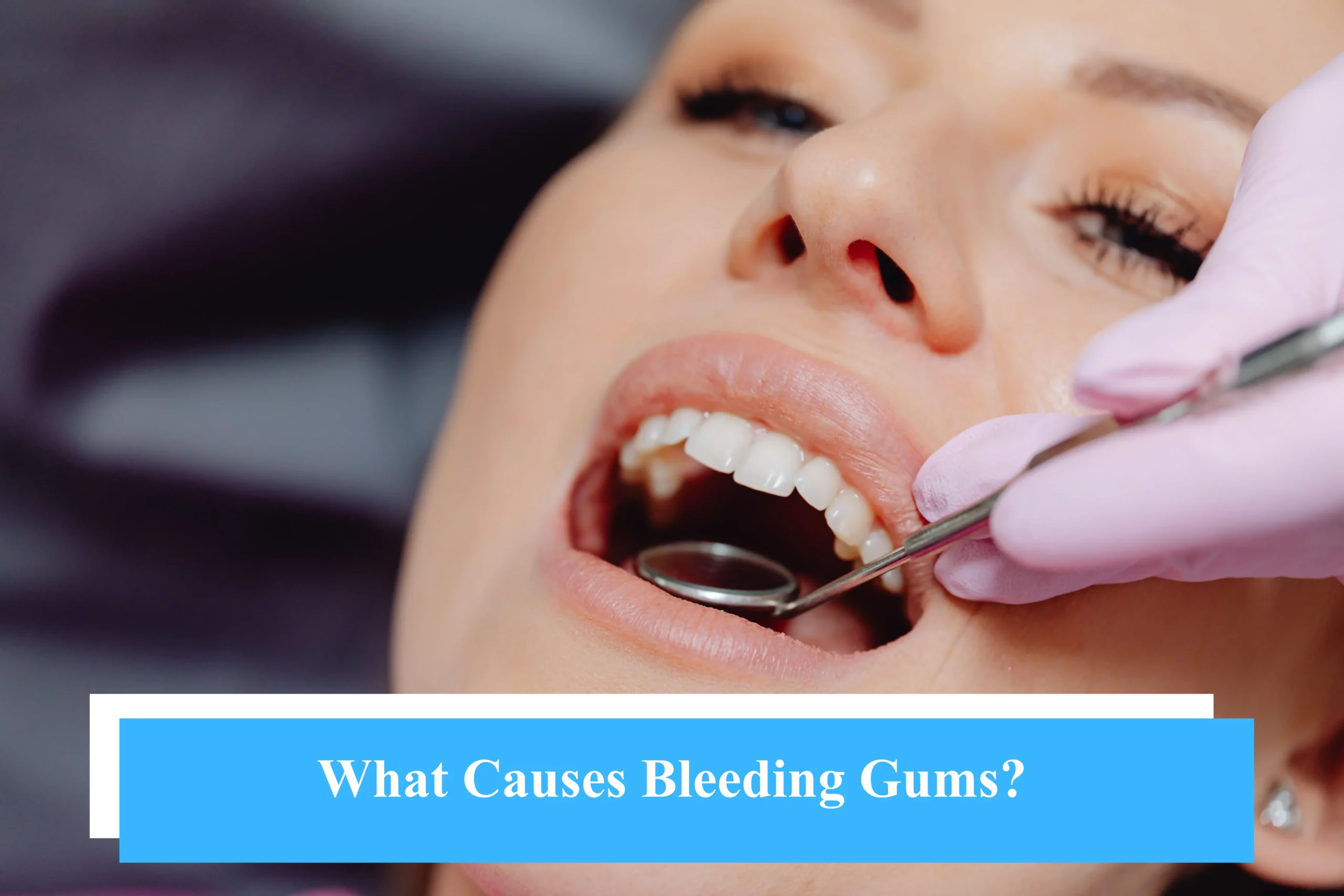
The clinical examination generally includes checking the teeth for decay, cracks, wear, damaged restorations, and other abnormalities. The gums are assessed for redness, swelling, bleeding, recession, and signs of periodontal disease. Your dentist may also examine the tongue, cheeks, lips, palate, jaw, and other oral tissues.
Dental X-rays may be recommended when clinically appropriate. They can help identify problems that are difficult to see during a visual examination, including decay between teeth, bone changes, impacted teeth, or issues around existing dental work. X-rays are not necessarily required at every visit; their frequency depends on your age, dental history, symptoms, and risk level.
Many routine appointments also include a professional cleaning to remove plaque and hardened tartar that cannot be fully removed with a toothbrush and floss alone.
Who May Need Dental Checkups More Often?
Some people have a higher risk of developing oral health problems and may need more frequent monitoring. This can include people with a history of gum disease, repeated cavities, extensive dental restorations, orthodontic appliances, dental implants, persistent dry mouth, or difficulty maintaining oral hygiene.
People who smoke or use tobacco may also require closer monitoring because tobacco use is associated with gum disease and other oral health problems. Certain medications and medical conditions can affect saliva production, gum health, healing, and susceptibility to infection, which may influence how frequently dental care is recommended.
Pregnancy can also bring changes in the gums, including increased inflammation or bleeding in some people. A dentist can advise on appropriate preventive care during pregnancy based on individual needs.
How Often Should Children See a Dentist?
Children generally need regular dental visits from an early age because their teeth and jaws are developing and their risk of cavities can change quickly. Many children are reviewed about every six months, although a dentist may recommend a different interval depending on cavity risk, diet, oral hygiene, enamel quality, and previous dental problems.
Regular visits can also help children become comfortable with the dental environment. Dentists can monitor tooth eruption, jaw development, bite alignment, brushing technique, fluoride needs, and habits such as prolonged thumb sucking or pacifier use.
How Often Should You Get a Dental Cleaning?
Dental cleanings are often performed at the same time as routine checkups, but the appropriate frequency varies. People with healthy gums may only need standard preventive cleaning at routine intervals. Those with periodontal disease may require periodontal maintenance more frequently as part of an ongoing treatment plan.
A professional cleaning removes tartar from areas that are difficult to clean at home. It can also help reduce plaque buildup and provide an opportunity for the dental team to identify areas where brushing or flossing technique could be improved.
Signs You Should See a Dentist Before Your Next Checkup
You should not wait for a scheduled routine appointment if you develop new or concerning dental symptoms. Contact a dentist if you experience persistent toothache, swelling of the face or gums, a broken or knocked-out tooth, significant sensitivity, bleeding gums that do not improve, pus or a bad taste associated with a tooth or gum, a loose adult tooth, difficulty chewing, or a mouth sore or unusual oral change that does not heal.
Severe facial swelling, difficulty breathing or swallowing, uncontrolled bleeding, or symptoms of a rapidly spreading infection may require urgent medical or dental assessment.
Can Good Oral Hygiene Replace Dental Checkups?
Brushing twice a day with fluoride toothpaste, cleaning between the teeth, limiting frequent sugary foods and drinks, and avoiding tobacco are essential habits, but they do not completely replace professional dental examinations. Even people with excellent home care can develop problems that are difficult to see or feel.
Regular checkups combine prevention with professional assessment. They also allow your dentist to tailor advice to your individual risk factors rather than relying only on general recommendations.
How to Decide the Right Dental Checkup Schedule
The best dental checkup schedule is the one recommended for your current oral health and risk profile. If your dentist suggests a three-month, six-month, nine-month, or longer recall interval, ask what factors influenced that recommendation. Your schedule may change over time as your oral health improves or new risk factors develop.
If it has been a long time since your last dental visit, arranging an examination is a sensible starting point even if you currently have no pain. A dentist can assess your teeth and gums, identify any problems, and recommend how often you should return.
Final Thoughts
For many people, a dental checkup about every six months is a useful routine, but there is no single interval that is right for everyone. Your personal risk of cavities, gum disease, and other oral health problems should guide how often you attend. Regular dental examinations, professional cleaning when appropriate, and consistent daily oral hygiene work together to protect your smile and reduce the chance that small problems become serious ones.