
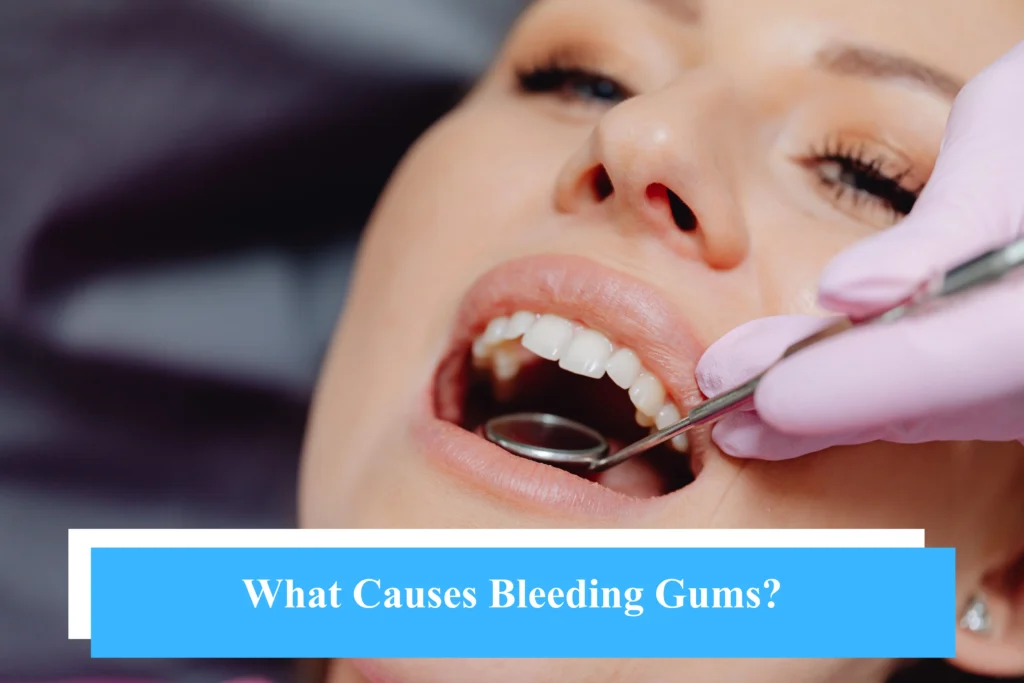
A little blood on a toothbrush may not cause pain, but it can still be a useful warning. The timing, location and accompanying symptoms help a dentist distinguish inflammation from injury or a problem that needs wider medical investigation.
Table of Contents
TogglePlaque Buildup and Gingivitis
Plaque is a bacterial film that collects on teeth, including near the gumline. When it is not adequately removed, the gums can become inflamed and bleed during brushing or cleaning between teeth. Gingivitis is the early stage of gum disease and can often be reversed with appropriate care.
Inflammation may cause swelling, tenderness or bad breath as well as bleeding. The solution is not to stop cleaning the area. Instead, improve gentle cleaning and arrange a dental assessment so plaque-retaining factors and tartar can be addressed.
Periodontitis and Supporting Tissue Damage
More advanced gum disease, called periodontitis, affects tissues that support the teeth. It may involve deep gum pockets, recession or loose teeth. Symptoms do not reliably show the full extent of disease, so an examination and appropriate measurements are important.
Professional treatment may include cleaning below the gumline and ongoing periodontal maintenance. A mouthwash alone cannot remove hardened deposits or replace treatment for established disease.
Brushing and Flossing Injuries
Using excessive force or snapping floss into the gums can cause injury. Choose a soft toothbrush and a controlled technique. Ask a dentist or hygienist to demonstrate how to clean difficult areas without repeatedly traumatizing them.
Bleeding may occur when a new flossing routine begins, but persistent bleeding should not simply be attributed to “getting used to floss.” The American Dental Association advises discussing regular or concerning bleeding with a dentist or physician.
Pregnancy and Medicines
Hormonal changes during pregnancy can make gums more susceptible to inflammation. Keep up dental care and tell the dental team that you are pregnant. Bleeding still warrants attention rather than being dismissed as unavoidable.
Blood-thinning medicines can increase bleeding. Tell the dentist which medicines you take, but do not stop a prescribed medicine on your own. The prescriber and dentist can advise whether any adjustment is needed for planned treatment.
Other Possible Explanations
Sometimes bleeding needs medical as well as dental evaluation, particularly when it occurs without cleaning or alongside unusual bruising or bleeding elsewhere. A clinician may review the health history and arrange further investigation when appropriate.
Do not diagnose a vitamin deficiency solely from gum bleeding or start high-dose supplements in place of an examination. Plaque-related inflammation is common, but a persistent symptom should be assessed on its own pattern.
What to Do if Your Gums Bleed
Continue gentle brushing with fluoride toothpaste and clean between your teeth using a suitable method. Arrange a dental appointment, especially when bleeding keeps returning. Note whether it affects one area or the whole mouth and whether you also have swelling, pain or a bad taste.
A dentist may examine the gums, measure periodontal pockets and recommend cleaning or further treatment. Ask which areas need more attention at home and when the response should be reviewed.
When Bleeding Gums Need Urgent Help
Seek prompt care for substantial bleeding that does not stop, severe swelling, worsening pain, fever or loose teeth. Facial swelling accompanied by difficulty swallowing or breathing is an emergency.
Tell a clinician about unexplained bruising, recurrent nosebleeds or other unusual bleeding. These details can change what assessment is needed.
Why the Pattern of Bleeding Matters
A dentist will want to know whether bleeding occurs only during cleaning, around one tooth or without any obvious trigger. These patterns can guide the examination, but they do not establish the cause on their own. Make a note of what you notice instead of assuming that all gum bleeding has the same explanation.
Bleeding around a single area may prompt attention to local factors, such as cleaning difficulty, food trapping or a nearby restoration. Bleeding across several areas may lead to a broader assessment of gum health. The dentist will interpret the pattern alongside swelling, deposits and other findings.
The amount and duration also matter. A slight trace during flossing is different from substantial bleeding that continues. If you take a medicine that affects bleeding, include that information when you contact the practice. Do not wait for a routine appointment when bleeding is heavy or does not settle.
Bleeding Gums With Bad Breath or a Bad Taste
Persistent bad breath can have several causes, and it should not automatically be blamed on food. When it occurs with gum bleeding, a dental assessment can help determine whether plaque, gum inflammation or another oral problem is contributing.
A rinse or breath freshener may temporarily change how your mouth feels without treating the cause. Explain whether there is a bad taste, discharge, swelling or pain in a particular area. Those details may change the urgency and the type of care required.
Avoid trying several strong mouthwashes before seeking help. They do not replace an examination, and some products are intended for specific uses or limited durations. Ask the dentist which product, if any, is appropriate once the cause has been assessed.
Bleeding Around a Crown, Bridge or Other Restoration
Dental restorations can create areas that need a particular cleaning technique. If you cannot comfortably clean around a crown or beneath a bridge, ask for a demonstration. The right method depends on the restoration and the available space.
Persistent bleeding in that area deserves review of both the gums and the restoration. Do not assume that a crown must be replaced simply because the gum bleeds, or that the symptom is harmless because the dental work looks attractive. The clinical findings determine what is needed.
Tell the dentist if floss catches, tears or will not pass where it used to. These observations can help focus the examination. Avoid forcing a sharp tool into the area to remove trapped food, as that can cause additional injury.
How a Dentist Investigates Bleeding Gums
The assessment begins with symptoms, medical history, medicine use and cleaning habits. The dentist examines the gums and teeth and may assess periodontal pockets, deposits, recession and mobility. Imaging may be used when it is useful for evaluating supporting structures or another concern.
Ask whether the findings suggest gingivitis or periodontitis and what evidence supports that assessment. Those terms describe different levels of disease and should lead to different expectations about treatment and follow-up. If the explanation is unclear, request a plain-language account of what has changed around the teeth.
Where the bleeding pattern or health history suggests another problem, the dentist may recommend medical evaluation. This does not mean that every person with bleeding gums needs extensive blood testing. Investigation should follow the specific symptoms and findings.
What Treatment May Involve
Improving Cleaning Technique
Advice should show you how to clean the areas that are inflamed without excessive force. You may need to change how you hold floss, choose an interdental brush or spend more attention on a particular region. A short demonstration can be more useful than a general instruction to clean more often.
Ask what to expect as the gums recover and when persistent bleeding should be reported. If the recommended technique is painful or impossible because of spacing, return for an adjustment to the plan rather than abandoning cleaning altogether.
Professional Cleaning and Periodontal Care
Professional cleaning removes deposits that cannot be dealt with by ordinary brushing. More advanced disease may require treatment below the gumline and continuing maintenance. The dentist should explain whether a routine hygiene appointment is enough or whether a more detailed periodontal plan is needed.
Antibiotics are not an automatic treatment for gum bleeding. The choice depends on the clinical situation, and they do not replace plaque control or appropriate dental care. Do not use leftover antibiotics or another person’s prescription.
Reviewing Medical Contributors
If pregnancy or a prescribed medicine is relevant, care should take that context into account. Continue to coordinate with the appropriate medical professional. A dental symptom is not a reason to stop prescribed treatment without advice.
Bring a complete medicine list rather than describing a drug only as a “blood thinner” or “sugar tablet.” The exact medicine and dose can matter when the team plans treatment or discusses bleeding risk.
What You Can Do While Waiting for an Appointment
Continue a gentle, consistent cleaning routine and avoid repeatedly traumatizing the area. Record changes in symptoms so you can give the dentist a clear account. If you develop swelling, significant pain or ongoing bleeding, contact the practice again and explain that the situation has changed.
Do not attempt to scrape tartar, pierce swollen tissue or apply household chemicals. These actions can cause injury and delay appropriate treatment. Home care should support oral hygiene while you obtain an assessment, rather than attempt a procedure you cannot safely perform yourself.
How to Tell Whether the Plan Is Working
Ask your dentist which findings will be reviewed, not just whether you should expect “better gums.” Less bleeding, improved comfort and professional reassessment may all help judge response. A continuing symptom should trigger review of the cause, technique and treatment plan.
If bleeding improves and then returns, look at changes in cleaning consistency, health or medicines and report them. Recurrence does not necessarily mean treatment was useless, but it does mean the current situation needs attention. Ongoing care is more reliable than waiting until bleeding becomes severe.
Frequently Asked Questions
Should You Stop Brushing When Gums Bleed?
Usually no. Avoid force, but continue gentle cleaning because leaving plaque behind may worsen inflammation. Get advice if bleeding is persistent or substantial.
Can Bleeding Gums Improve With Better Cleaning?
Plaque-related gingivitis can improve with effective daily cleaning and professional care. If bleeding continues, the cause and technique need reassessment.
Does Bleeding Always Mean Gum Disease?
No. Trauma, pregnancy and medicines are among other possible contributors. An examination helps determine the explanation and appropriate treatment.