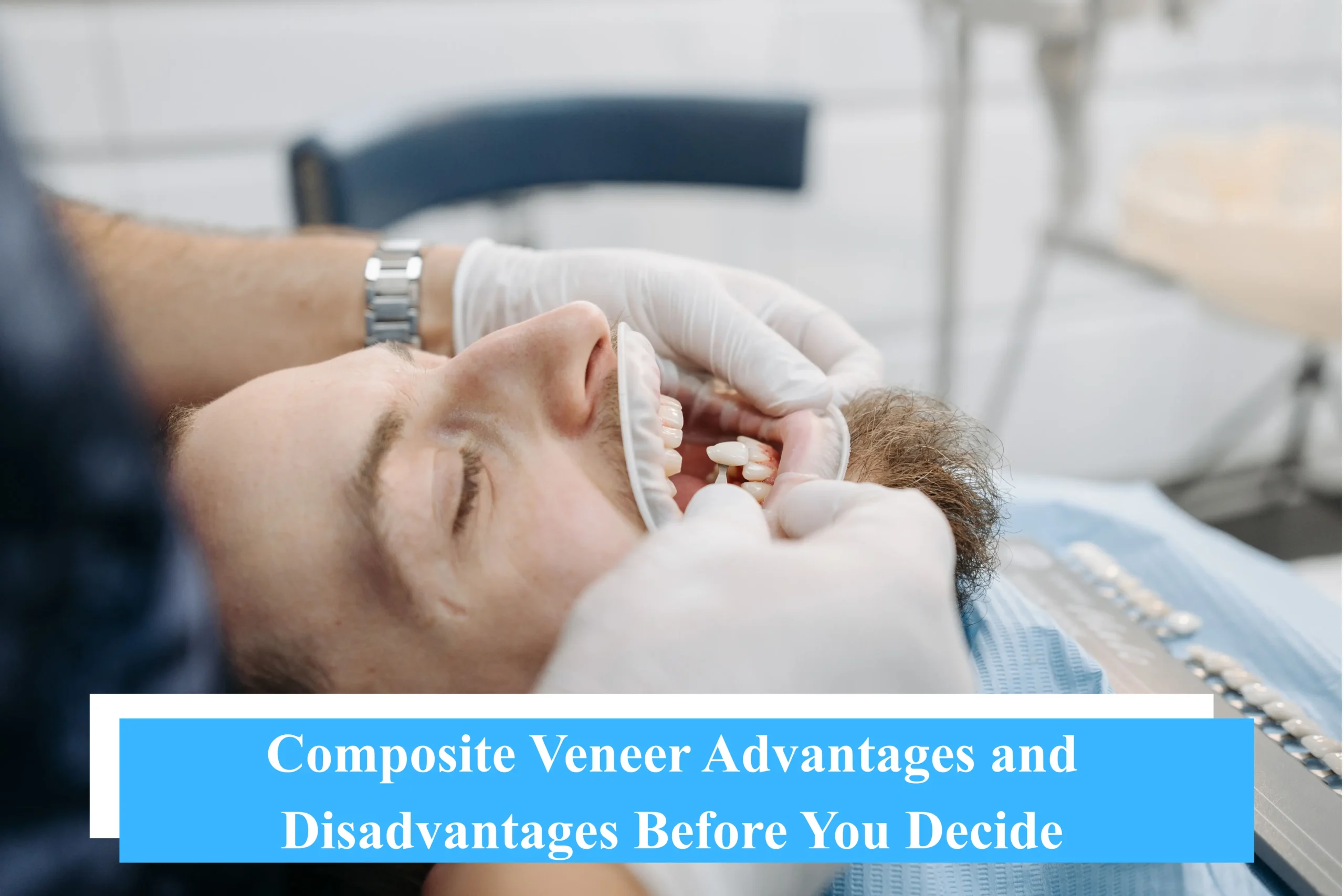

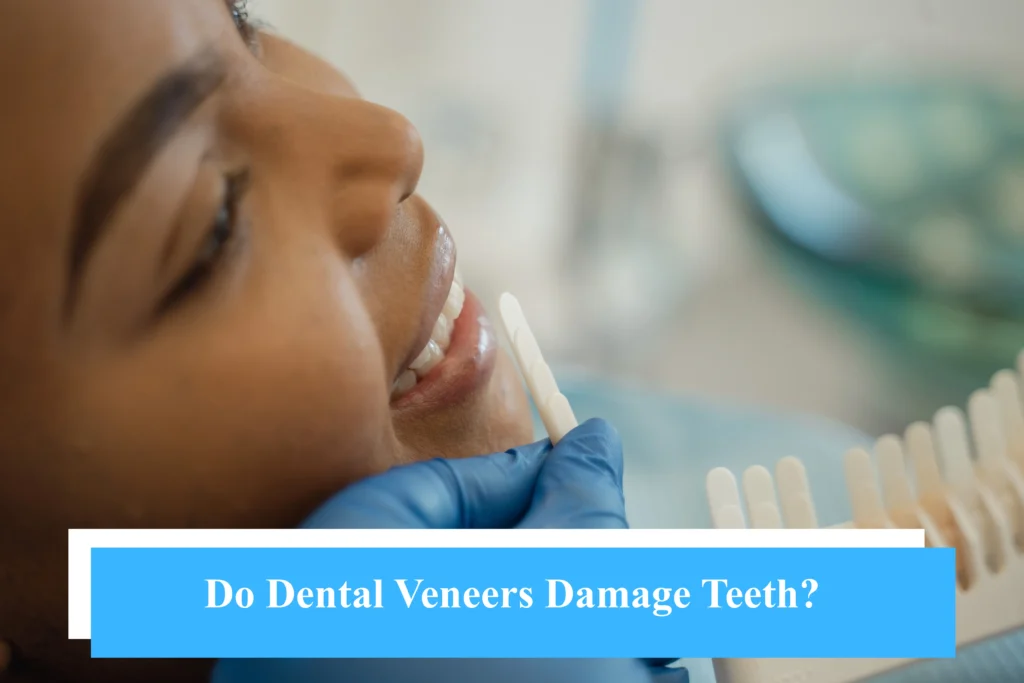
A veneer is a thin covering bonded to the front of a tooth. It can alter appearance without covering the entire tooth like a crown. Understanding this difference helps you ask useful questions before treatment.
Table of Contents
ToggleWhy Enamel Removal Matters
Traditional porcelain Dental veneers commonly require removal of some enamel to create room for the restoration. Enamel does not grow back. If enough tooth structure is altered, the tooth will continue to need a restoration even if the original veneer is removed.
That permanent change is different from an avoidable complication. A careful dentist aims to preserve as much healthy structure as possible while producing an appropriate shape and bond. Ask to see how much preparation your own teeth would require.
Are Composite and No Prep Veneers Safer?
Composite veneers may require less preparation than porcelain veneers, depending on the case. Some additive treatments can be carried out with little or no tooth reduction. However, that does not mean every composite veneer can be removed without affecting the tooth.
The term “no prep” is also not a guarantee that treatment is suitable or fully reversible. Adding material to an already prominent tooth can create an undesirable shape. Your tooth position, bite and cosmetic goals determine whether an additive approach is reasonable.
Possible Problems After Veneers
Tooth Sensitivity
Sensitivity can occur after tooth preparation or bonding. A brief change in sensation is different from persistent pain, pain on biting or discomfort that worsens. These symptoms should be assessed rather than accepted as the price of a new smile.
Decay Around the Veneer
A veneer does not make the underlying tooth immune to cavities. Exposed tooth surfaces and restoration margins still need cleaning. If decay develops, treatment may require repairing or replacing the restoration as well as addressing the tooth.
Chipping and Bond Failure
Veneers can chip, fracture or become loose. Teeth grinding, biting hard objects and an unsuitable bite may increase the difficulty of maintaining them. Published reviews of porcelain veneers identify fracture, debonding and secondary decay among reported complications.
Gum and Bite Problems
A restoration needs an appropriate contour and a cleansable margin. If your bite feels wrong after placement, return to the dentist for a review. Gum bleeding or persistent soreness should also be investigated rather than treated only with mouthwash.
Who Needs Extra Assessment Before Veneers?
People with untreated decay, gum disease, significant grinding or complex bite problems need careful assessment. Covering an unhealthy tooth does not solve the underlying condition. In some cases, veneers are inappropriate until those problems are treated.
Veneer placement should be carried out by a licensed dentist. Services from unlicensed providers can miss disease and cause serious harm. Cosmetic appearance is only one part of a safe treatment plan.
Alternatives That May Preserve More Tooth Structure
Ask whether whitening, limited composite bonding or orthodontic treatment could address your concern. Whitening changes color, bonding can repair selected small defects, and orthodontics changes tooth position. These approaches are not interchangeable, but they may avoid extensive preparation in suitable cases.
Ask your dentist to compare the benefits, limitations and expected maintenance of each reasonable option. A minor cosmetic concern does not automatically require treatment of several healthy teeth.
Looking After Teeth With Veneers
Maintain regular brushing, cleaning between teeth and dental reviews. Avoid using your teeth to open packaging or bite hard objects. Discuss grinding and whether a protective appliance is appropriate.
Budget for future maintenance as well as initial placement. Veneers are restorations that may need repair or replacement; they are not a lifetime guarantee.
Tooth Preparation Versus Tooth Damage
The question “do dental veneers damage teeth?” often combines two separate concerns. One is the planned removal of tooth structure needed for a restoration. The other is an unwanted complication, such as excessive preparation, decay or persistent pain. Both deserve discussion, but they are not the same event.
Ask your dentist to distinguish what will definitely change from what could go wrong. For a prepared veneer, enamel removal may be part of the procedure even when treatment goes well. Sensitivity, fracture or another complication may be possible without being inevitable. Understanding this distinction makes consent more meaningful than simply hearing that veneers are “safe.”
The amount of preparation should relate to your individual teeth and the proposed restoration. Do not assume that a very white or perfectly uniform smile requires the same procedure for everyone. Natural tooth position, existing restorations and the final shape all influence planning.
How the Dentist Assesses Suitability
A veneer consultation should examine oral health before discussing color. The dentist needs to consider the condition of each tooth, the gums, existing restorations and the way your teeth meet. Your cosmetic concern may affect several teeth, but not every visible tooth necessarily needs a veneer.
Describe symptoms such as biting discomfort, sensitivity or grinding. Tell the dentist if you have previously chipped restorations or had difficulty with a dental appliance. These details can change the assessment of maintenance and risk.
Ask how the dentist will evaluate teeth that already have large fillings or significant damage. A veneer and a crown serve different purposes, and neither should be selected solely because of a social-media label. The recommendation should follow the condition of the tooth and the intended function of the restoration.
Why a Conservative Treatment Plan Matters
The commitment grows as more healthy teeth are treated. A change to one tooth is different from a plan involving most of the visible smile. Before accepting extensive treatment, clarify which teeth need alteration and what each change is intended to achieve.
For a small chip or localized shape issue, limited bonding may be worth discussing. For color alone, whitening may be relevant if suitable. For tooth position, orthodontic options may deserve consideration. The right comparison depends on your concern, rather than on a blanket rule that one treatment is always superior.
It is reasonable to seek a second opinion when substantial preparation is proposed for otherwise healthy teeth. Bring the treatment plan and ask the second dentist to explain their own assessment. The aim is to understand the alternatives and commitment, not simply to collect a more reassuring answer.
Trial Designs and Realistic Smile Planning
Some cases involve a preview, temporary mock-up or digital design. These can help you discuss length, shape and overall appearance. However, a preview is a planning aid rather than a guarantee of the final result or of how the restorations will feel in daily use.
Discuss details that matter to you, such as preserving a natural variation between teeth or avoiding an overly prominent appearance. Ask how the planned shapes relate to your bite and cleaning access. Cosmetic goals should be considered alongside function.
If you dislike a temporary or proposed design, say so before the final restoration is completed. Once a restoration has been made or bonded, changing it may be more involved. Clear communication during planning reduces avoidable misunderstanding.
Understanding Pain and Sensitivity After Treatment
Ask in advance which sensations may occur and how the dentist wants you to report them. The advice should distinguish expected short-term discomfort from symptoms that need assessment. Persistent, worsening or spontaneous pain should not be dismissed solely because the procedure was cosmetic.
If a tooth hurts when you bite after veneer placement, the dentist may need to examine the bite or investigate another cause. Do not diagnose the problem yourself or try to adjust the veneer at home. Tell the practice which tooth hurts, when it started and what triggers the symptom.
A veneer that comes loose also needs professional assessment. Keep the piece if you can do so safely and contact your dentist. Household glue is not an appropriate repair material, and a loose restoration may need evaluation of both the veneer and the tooth underneath.
The Long Term Commitment Behind a Veneer Decision
Even a successful veneer can require future repair or replacement. Reviews of clinical studies show that longevity varies and that different studies use different definitions of success. A veneer remaining in place does not necessarily mean no adjustments or complications have occurred.
Ask about maintenance in practical terms. Will you need polishing, a protective appliance or a particular review schedule? What happens if one veneer needs replacement and its color no longer matches the others? These questions help you understand the ongoing relationship with dental care.
Also consider how future replacement may affect the remaining tooth structure. That assessment is individual, and it should not be reduced to a guaranteed number of replacements over a lifetime. The key is to recognize that prepared veneers create a continuing restorative commitment.
Questions to Ask Before You Agree
Ask how much enamel will be removed from each tooth, whether the proposed option is reversible and which alternatives could meet your goal. Request an explanation of how grinding or bite problems will be managed. Confirm who performs the treatment and what follow-up is included.
A useful answer to whether veneers will “damage” your teeth is therefore case-specific. You should understand the planned tooth changes, the possible complications and the long-term care before deciding whether the cosmetic benefit justifies them.
Frequently Asked Questions
Can You Get Cavities Under Veneers?
Yes. The natural tooth remains vulnerable to decay, especially where plaque accumulates near margins or exposed surfaces.
Do Veneers Always Require a Root Canal?
No. Root canal treatment is not a routine requirement for placing veneers. It is considered only when the tooth has a separate clinical need.
Can You Return to Your Original Teeth?
Not if the procedure removed enamel that must remain covered. Ask about reversibility before preparation begins, not after the veneers have been placed.