
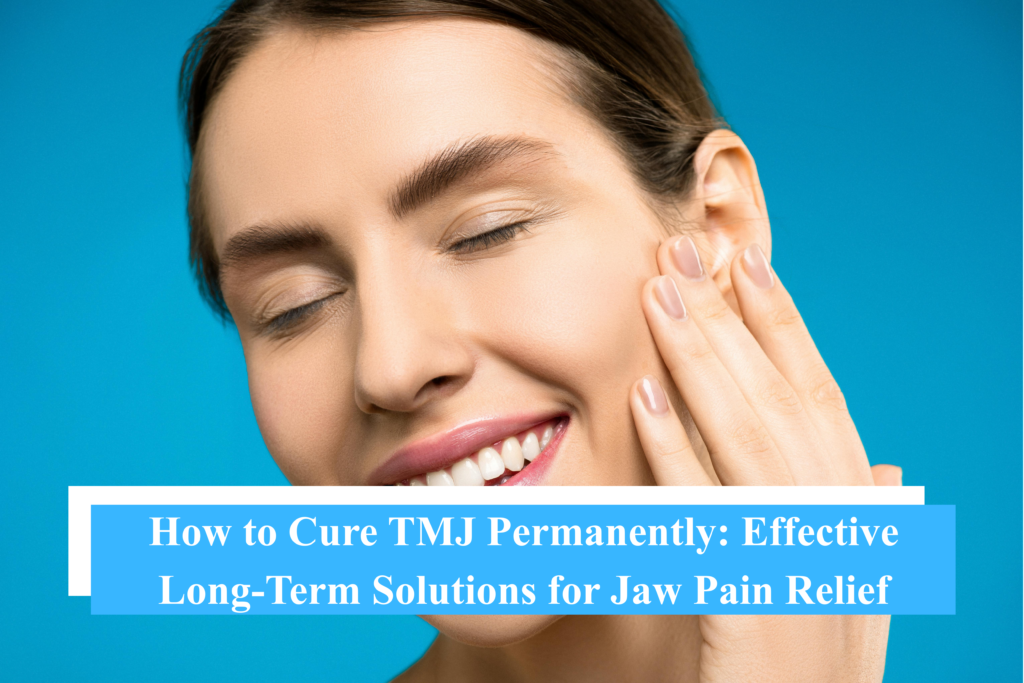
Temporomandibular Joint Disorder, commonly known as TMJ or TMD, affects millions of people worldwide. It can cause persistent jaw pain, headaches, difficulty chewing, and uncomfortable clicking sounds in the jaw. Many individuals searching for “how to cure TMJ permanently” are looking for long-term relief instead of temporary pain management.
The good news is that TMJ disorders can often be treated successfully through a combination of lifestyle changes, physical therapy, dental treatments, and medical care. In many cases, identifying the root cause of the condition is the key to achieving lasting relief.
If you are experiencing chronic jaw discomfort in Abu Dhabi, understanding the available treatment options can help you regain comfort and improve your quality of life.
Table of Contents
ToggleWhat Is TMJ Disorder?
The temporomandibular joint connects your jawbone to your skull and allows you to speak, chew, yawn, and move your jaw comfortably. When this joint becomes inflamed, strained, or misaligned, it can lead to TMJ disorder.
Common Causes of TMJ Disorders
TMJ problems can develop for several reasons, including:
- Teeth grinding or jaw clenching
- Stress and anxiety
- Poor posture
- Jaw injuries
- Arthritis
- Bite misalignment
- Excessive chewing
Many people unknowingly tighten their jaw muscles during stressful situations or while sleeping, which places additional pressure on the joint.
Common Symptoms of TMJ
Symptoms vary from person to person, but common signs include:
- Jaw pain or tenderness
- Clicking or popping sounds
- Frequent headaches
- Earaches
- Facial pain
- Limited jaw movement
- Difficulty chewing
Ignoring TMJ symptoms may worsen the condition over time, making early treatment important.
Can TMJ Be Cured Permanently?
One of the most common questions patients ask is whether TMJ can be cured permanently. The answer depends on the severity and underlying cause of the condition.
In many cases, permanent TMJ relief is possible when the root cause is identified and treated properly. Mild to moderate cases often respond well to non-invasive therapies, while severe cases may require advanced dental or surgical intervention.
Instead of focusing only on pain relief, successful TMJ treatment targets the underlying problems such as muscle tension, bite issues, or chronic teeth grinding.
Best Non-Surgical Ways to Cure TMJ Permanently
Most TMJ disorders can improve significantly without surgery. Conservative treatments are usually the first step recommended by specialists.
Behavioral and Lifestyle Changes
Permanently curing TMJ disorders (TMD) often involves a combination of non-invasive treatments, behavioral changes, and sometimes specialized dental care.
Simple lifestyle adjustments can reduce stress on the jaw and help the joint heal naturally.
Reduce Jaw Tension
Avoid habits that strain the jaw, including:
- Chewing gum
- Nail biting
- Eating hard foods
- Resting your chin on your hand
Switching to softer foods during painful flare-ups can also help reduce inflammation.
Improve Posture
Poor posture affects jaw alignment more than many people realize. Sitting with proper neck and spine alignment reduces pressure on the jaw muscles and joints.
Stress Management
Stress is a major contributor to jaw clenching and teeth grinding. Techniques such as meditation, deep breathing, yoga, and Cognitive Behavioral Therapy (CBT) can help reduce muscle tension and improve symptoms.
Physical Therapy and TMJ Exercises
Physical therapy plays an important role in long-term TMJ recovery.
Effective TMJ Exercises
Exercises can strengthen jaw muscles, improve mobility, and reduce stiffness. Common exercises include:
- Chin tucks
- Gentle jaw stretches
- Tongue-to-roof-of-mouth exercises
- Controlled jaw opening and closing
Performing these exercises consistently may improve jaw function over time.
Massage Therapy
Massage techniques targeting the masseter and temporalis muscles can release tension and reduce pain. Regular massage therapy may improve circulation and help relax overworked jaw muscles.
Dental Treatments for Permanent TMJ Relief
Dental care is often necessary when TMJ problems are related to bite alignment or teeth grinding.
Mouth Guards and Splints
Custom-made mouth guards help protect teeth and reduce pressure on the jaw joint during sleep. These appliances are especially effective for people who grind or clench their teeth at night.
Orthodontic Treatments
Correcting bite misalignment can improve jaw positioning and reduce chronic strain on the temporomandibular joint.
In some cases, Invisalign treatment may help align the bite and contribute to long-term TMJ relief.
Medical Treatments for Severe TMJ Disorders
When conservative treatments are not enough, doctors may recommend medical therapies to manage pain and inflammation.
Medications
Anti-inflammatory drugs, muscle relaxants, and pain relievers can temporarily ease discomfort and reduce muscle spasms.
Botox and Trigger Point Injections
Botox injections can relax tight jaw muscles and help reduce chronic clenching. Trigger point injections may also provide long-lasting relief for severe muscle tension.
Ultrasound Therapy
Ultrasound therapy uses heat energy to reduce inflammation and improve blood circulation in the jaw muscles.
Surgical Options for Chronic TMJ Problems
Surgery is usually considered a last resort for severe TMJ disorders that do not respond to conservative treatment.
Arthrocentesis
This minimally invasive procedure removes inflammatory fluid from the joint to improve movement and reduce pain.
Arthroscopy
Arthroscopy involves using a small camera and instruments to repair joint problems through tiny incisions.
Open-Joint Surgery
In severe cases involving joint damage or structural abnormalities, open-joint surgery may be necessary to restore proper jaw function.
How to Prevent TMJ From Coming Back
Long-term prevention is essential for maintaining permanent TMJ relief.
Maintain Healthy Jaw Habits
- Avoid excessive chewing
- Keep your teeth slightly apart while resting
- Practice relaxation exercises
- Maintain good posture
Sleep Position Matters
Sleeping on your back with proper neck support can reduce pressure on the jaw joints.
Manage Stress Daily
Reducing stress levels can significantly decrease jaw tension and prevent future flare-ups.
When Should You See a TMJ Specialist in Abu Dhabi?
If you experience persistent jaw pain, difficulty opening your mouth, or loud clicking sounds, it is important to seek professional evaluation.
A qualified TMJ specialist in Abu Dhabi can diagnose the root cause of your symptoms and recommend a personalized treatment plan tailored to your condition.
Early treatment not only improves comfort but may also prevent long-term damage to the jaw joint.
Conclusion
Learning how to cure TMJ permanently starts with understanding the underlying causes of the condition. While some cases resolve with simple lifestyle changes, others require physical therapy, dental treatment, or advanced medical care.
The most effective approach usually combines behavioral changes, stress management, jaw exercises, and professional treatment. Seeking help from an experienced TMJ specialist in Abu Dhabi can help you achieve long-lasting relief and improve your daily quality of life.