Acne is one of the most common skin conditions affecting millions of people worldwide, regardless of age or gender. From occasional breakouts to severe cystic acne, this condition can significantly impact confidence and overall skin health. While over-the-counter products may provide temporary relief, they often fail to address the root cause of persistent acne.
This is where professional dermatology treatments come into play. With advancements in modern skincare, dermatologists now offer highly effective solutions that not only treat acne but also prevent future breakouts and reduce scarring.
If you’re searching for the most effective solution, understanding what is the best dermatology treatment to remove acne is essential for making the right decision.
Table of Contents
ToggleUnderstanding Acne: Causes & Types
Common Causes of Acne
Acne develops due to a combination of factors, including:
- Excess oil (sebum) production
- Clogged hair follicles
- Bacterial growth (Propionibacterium acnes)
- Hormonal fluctuations
- Stress and lifestyle factors
These triggers vary from person to person, which is why a personalized treatment plan is critical.
Types of Acne
Acne can be classified into different types based on severity:
- Mild Acne: Whiteheads and blackheads
- Moderate Acne: Papules and pustules
- Severe Acne: Nodules and cysts
- Cystic Acne: Deep, painful breakouts that often lead to scarring
Understanding your acne type helps dermatologists choose the most effective treatment.
Why Choose Dermatology Treatments Over Home Remedies?
While DIY treatments and skincare products may offer temporary improvement, they often lack the strength and precision required for long-term results.
Dermatology treatments provide:
- Scientifically proven solutions
- Medical-grade ingredients
- Faster and long-lasting results
- Reduced risk of scarring
- Personalized care
For individuals struggling with stubborn or severe acne, professional treatments are the most reliable option.
Best Dermatology Treatments to Remove Acne
1. Isotretinoin (Accutane)
The best dermatology treatment for severe or persistent acne is generally isotretinoin (formerly Accutane), which provides long-term clearance for approximately 85% of patients.
Isotretinoin is a powerful oral medication derived from Vitamin A. It works by:
- Reducing oil production
- Preventing clogged pores
- Eliminating acne-causing bacteria
- Minimizing inflammation
This treatment is typically recommended for individuals with cystic acne that does not respond to other therapies. Many patients experience permanent or long-term results after completing a full course.
2. Laser Therapy (Fractional & Nd:YAG)
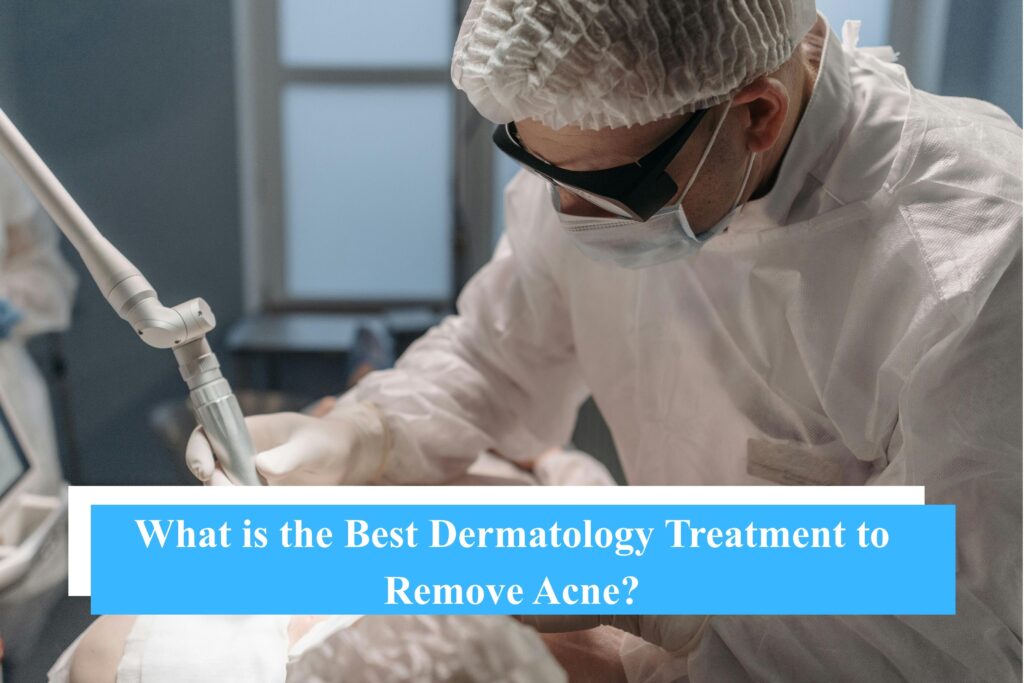
Laser technology has revolutionized acne treatment by offering a non-invasive solution with impressive results.
Laser therapy (e.g., fractional, Nd:YAG) works by:
- Targeting overactive oil glands
- Killing acne-causing bacteria
- Stimulating collagen production
- Reducing acne scars
This method is particularly effective for individuals looking for both acne control and skin resurfacing.
3. Chemical Peels
Chemical peels are widely used in dermatology to exfoliate the skin and promote renewal.
These treatments involve applying acids such as:
- Salicylic acid
- Glycolic acid
Benefits include:
- Deep pore cleansing
- Removal of dead skin cells
- Reduction of acne marks and pigmentation
- Smoother skin texture
Chemical peels are ideal for mild to moderate acne and can be repeated for enhanced results.
4. Medical-Grade Topical & Oral Medications
Dermatologists often prescribe customized combinations of medications, including:
- Topical retinoids
- Azelaic acid
- Antibiotics
- Hormonal therapy (especially for women)
These treatments target acne at its source by controlling oil production, reducing bacteria, and preventing inflammation.
5. Microneedling & PRP Therapy
Microneedling is an advanced treatment that uses tiny needles to stimulate collagen production.
When combined with PRP (Platelet-Rich Plasma), it can:
- Improve acne scars
- Enhance skin texture
- Promote faster healing
- Reduce active acne
This treatment is especially beneficial for individuals dealing with post-acne scarring and uneven skin.
Which Treatment is Best for You?
There is no one-size-fits-all solution when it comes to acne treatment.
Treatment should be tailored to acne type, severity, and skin tone, often requiring a combination of methods for optimal results.
For example:
- Mild acne → Topicals + chemical peels
- Moderate acne → Medications + laser therapy
- Severe acne → Isotretinoin + advanced procedures
Consulting a qualified dermatologist ensures that you receive a customized plan suited to your skin’s needs.
Dermatology Treatments in Abu Dhabi
Abu Dhabi has become a leading destination for advanced dermatology treatments. The city is home to world-class clinics equipped with the latest technologies and experienced specialists.
Patients in Abu Dhabi benefit from:
- International-standard medical facilities
- Advanced laser and skincare technologies
- Personalized treatment plans
- Highly qualified dermatologists
Whether you are dealing with mild acne or severe skin conditions, Abu Dhabi offers some of the best treatment options in the region.
Cost of Acne Treatments
The cost of dermatology treatments varies depending on:
- Type of procedure
- Severity of acne
- Number of sessions required
- Clinic reputation
General estimates:
- Chemical peels: Moderate cost per session
- Laser therapy: Higher cost but long-lasting results
- Isotretinoin: Monthly medication cost
- Microneedling: Mid to high range
Investing in professional treatment often saves money in the long run by preventing complications and recurring acne.
Results & What to Expect
Results depend on the chosen treatment and individual skin condition.
Typical timelines:
- Topical treatments: 4–8 weeks
- Chemical peels: Immediate glow with gradual improvement
- Laser therapy: Visible results after a few sessions
- Isotretinoin: Significant improvement within 3–6 months
Some treatments may cause temporary side effects such as redness, dryness, or sensitivity, but these are usually manageable under professional supervision.
Tips to Maintain Acne-Free Skin
To maintain long-term results, follow these essential tips:
- Use dermatologist-recommended skincare products
- Avoid touching or picking your skin
- Maintain a balanced diet
- Stay hydrated
- Follow your treatment plan consistently
- Protect your skin from sun exposure
Consistency is key to preventing future breakouts.
Conclusion
Acne is a complex condition that requires a professional and personalized approach. While there are many available options, the best dermatology treatment depends on your specific skin type and severity of acne.
From powerful medications like isotretinoin to advanced procedures such as laser therapy, chemical peels, and microneedling, modern dermatology offers highly effective solutions for achieving clear, healthy skin.
If you’re struggling with persistent acne, seeking expert advice is the first step toward lasting results.