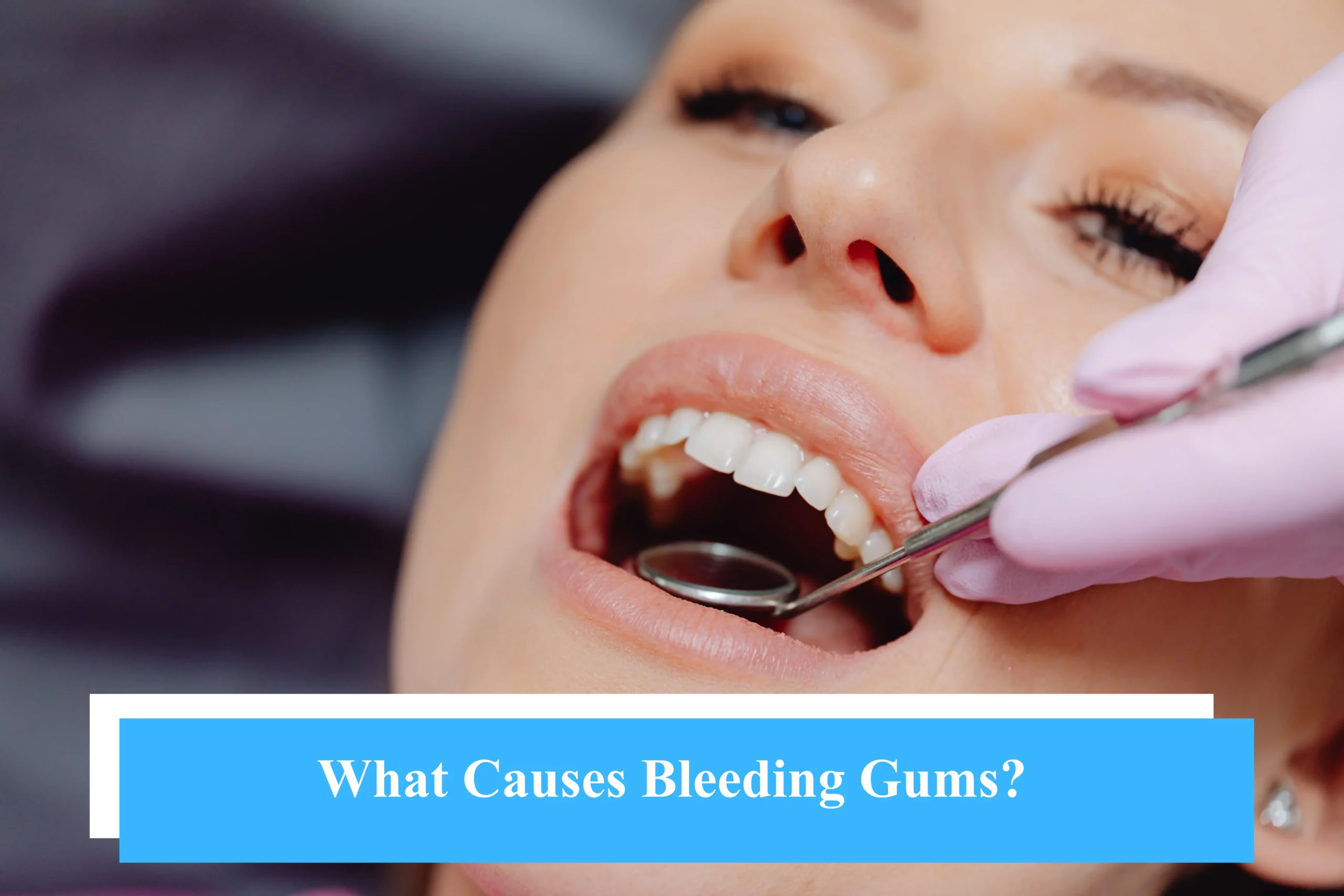


Temporomandibular Joint (TMJ) disorders—often referred to as TMD—affect the joints and muscles connecting your jaw to your skull. These joints play a crucial role in everyday activities such as speaking, chewing, yawning, and swallowing. When the temporomandibular joint becomes inflamed, misaligned, or damaged, it can lead to a wide range of uncomfortable symptoms that impact your quality of life.
Many people experience occasional jaw discomfort without realizing it may be linked to a TMJ disorder. Unfortunately, symptoms are often mistaken for dental problems, ear infections, sinus issues, or migraines, causing delays in diagnosis and treatment. Understanding the signs of TMJ disorder can help you seek professional care before the condition worsens.
In Abu Dhabi, TMJ disorders are becoming increasingly common due to factors such as stress, teeth grinding, poor posture, and jaw injuries. Early diagnosis and appropriate treatment can help prevent chronic pain and restore normal jaw function.
Table of Contents
ToggleWhat Is TMJ Disorder?
The temporomandibular joints are located on each side of your face, connecting the lower jaw (mandible) to the skull. These joints work like sliding hinges, allowing smooth movement when talking, chewing, or opening and closing the mouth.
TMJ disorder, also known as Temporomandibular Disorder (TMD), refers to a group of conditions affecting the jaw joints, surrounding muscles, and connective tissues. The condition can range from mild discomfort to severe pain and limited jaw mobility.
Common causes include:
- Teeth grinding (bruxism)
- Jaw injuries
- Arthritis
- Stress-related muscle tension
- Bite misalignment
- Poor posture
- Chronic clenching of the jaw
Common TMJ Disorder Symptoms
The signs of TMJ disorder vary widely in severity and can appear on one or both sides of the face. Some individuals experience mild symptoms that come and go, while others develop persistent discomfort that affects daily activities.
To help you identify if you might be experiencing TMD, the symptoms can be grouped according to how they affect different areas of the body.
Jaw and Mouth Symptoms
Jaw Pain
One of the most common TMJ disorder symptoms is jaw pain. This discomfort may present as a dull ache, tenderness, or sharp pain around the jaw joint and facial muscles. Pain often becomes more noticeable while chewing, speaking, or yawning.
Many patients describe the sensation as persistent pressure near the ears or along the jawline. In some cases, the pain may spread to nearby muscles in the face.
Clicking, Popping, and Grinding Sounds
Hearing unusual sounds when opening or closing the mouth can be a sign of TMJ dysfunction. Clicking, popping, or grating noises may occur when the cartilage disc inside the joint shifts out of position.
While occasional clicking is not always a cause for concern, sounds accompanied by pain, stiffness, or restricted movement should be evaluated by a dental professional.
Lockjaw
TMJ disorders can interfere with normal jaw movement. Some individuals experience lockjaw, where the jaw becomes stuck in an open or closed position. This can make eating, speaking, and even smiling difficult.
Jaw locking episodes may occur suddenly and can be alarming if they become frequent.
Chewing Discomfort
Many people with TMJ disorders notice pain while eating or chewing. There may also be a sensation that the upper and lower teeth no longer fit together properly. This altered bite feeling often indicates joint inflammation or muscular imbalance affecting jaw alignment.
Ear and Head Symptoms
Ear Pain and Fullness
Because the temporomandibular joint is located close to the ear canal, TMJ disorders often cause symptoms that resemble ear problems.
Patients may experience:
- Ear pain
- Ringing in the ears (tinnitus)
- Muffled hearing
- A sensation of fullness or pressure
Unlike ear infections, these symptoms occur without any underlying ear disease.
Frequent Headaches and Migraines
Headaches are among the most overlooked symptoms of TMJ disorders. Muscle tension surrounding the jaw can radiate to the temples, forehead, and back of the head, leading to recurring headaches or migraine-like symptoms.
Individuals suffering from chronic headaches that do not respond well to conventional treatments may benefit from a TMJ evaluation.
Dizziness and Vertigo
Although less common, some patients report dizziness, lightheadedness, or balance disturbances associated with TMJ dysfunction. Changes in muscle tension and nerve irritation near the jaw joint may contribute to these symptoms.
Neck and Upper Body Symptoms
Radiating Pain
The muscles involved in jaw movement extend beyond the face and into the neck, shoulders, and upper back. As a result, TMJ disorders can cause widespread muscular discomfort.
Common symptoms include:
- Neck stiffness
- Shoulder pain
- Upper back tension
- Muscle fatigue
Many patients are surprised to learn that their neck or shoulder pain may actually originate from TMJ dysfunction.
Facial Swelling
Occasional mild swelling on one side of the face may occur when inflammation develops around the jaw joint. This swelling is typically temporary but should be assessed if accompanied by persistent pain or limited movement.
Early Warning Signs of TMJ Disorder
Recognizing TMJ disorder symptoms early can help prevent long-term complications. Some of the earliest warning signs include:
- Morning jaw stiffness
- Frequent jaw fatigue
- Difficulty chewing hard foods
- Pain when yawning
- Clicking sounds during jaw movement
- Teeth grinding during sleep
- Facial muscle soreness
If these symptoms continue for several weeks, it is advisable to seek professional evaluation.
What Causes TMJ Disorder?
Several factors can contribute to the development of TMJ disorders.
Teeth Grinding and Jaw Clenching
Bruxism places excessive pressure on the jaw joints and surrounding muscles. Over time, this strain can lead to inflammation and joint damage.
Stress and Anxiety
Stress often causes unconscious jaw clenching and muscle tension, increasing the likelihood of TMJ symptoms.
Arthritis
Both osteoarthritis and rheumatoid arthritis can affect the temporomandibular joint, resulting in pain, stiffness, and reduced mobility.
Jaw Injuries
Accidents, sports injuries, or direct trauma to the face can damage the jaw joint and trigger TMJ dysfunction.
Bite Problems
Misaligned teeth or bite irregularities may place uneven stress on the jaw joints, contributing to symptoms over time.
When to Seek Treatment in Abu Dhabi
Many mild TMJ symptoms improve with self-care measures. However, professional treatment should be considered if you experience:
- Persistent jaw pain
- Recurrent headaches
- Difficulty opening the mouth
- Jaw locking episodes
- Chronic ear discomfort
- Pain while chewing
- Facial swelling
A qualified dentist or TMJ specialist in Abu Dhabi can perform a comprehensive evaluation and determine the most appropriate treatment plan.
Treatment Options for TMJ Disorders
Treatment depends on the severity and underlying cause of the condition.
Common options include:
Lifestyle Modifications
- Avoid chewing gum
- Eat softer foods
- Practice stress management
- Improve posture
Custom Night Guards
Oral appliances can help reduce teeth grinding and minimize pressure on the jaw joints.
Physiotherapy
Specialized exercises improve jaw mobility and strengthen supporting muscles.
Medication
Anti-inflammatory medications and muscle relaxants may help relieve pain and tension.
Advanced Treatments
In severe cases, advanced procedures may be recommended to restore joint function and alleviate chronic symptoms.
Conclusion
TMJ disorder symptoms can range from mild jaw discomfort to significant pain affecting the face, ears, neck, and shoulders. Common signs include jaw pain, clicking sounds, headaches, ear fullness, lockjaw, and chewing difficulties. Because these symptoms often resemble other medical conditions, obtaining an accurate diagnosis is essential.
If you are experiencing persistent TMJ disorder symptoms in Abu Dhabi, seeking professional evaluation can help identify the underlying cause and prevent further complications. Early treatment not only relieves pain but also improves jaw function, overall comfort, and quality of life.
Book a consultation with an experienced dental professional today to receive a personalized assessment and explore effective treatment options for TMJ disorders.