
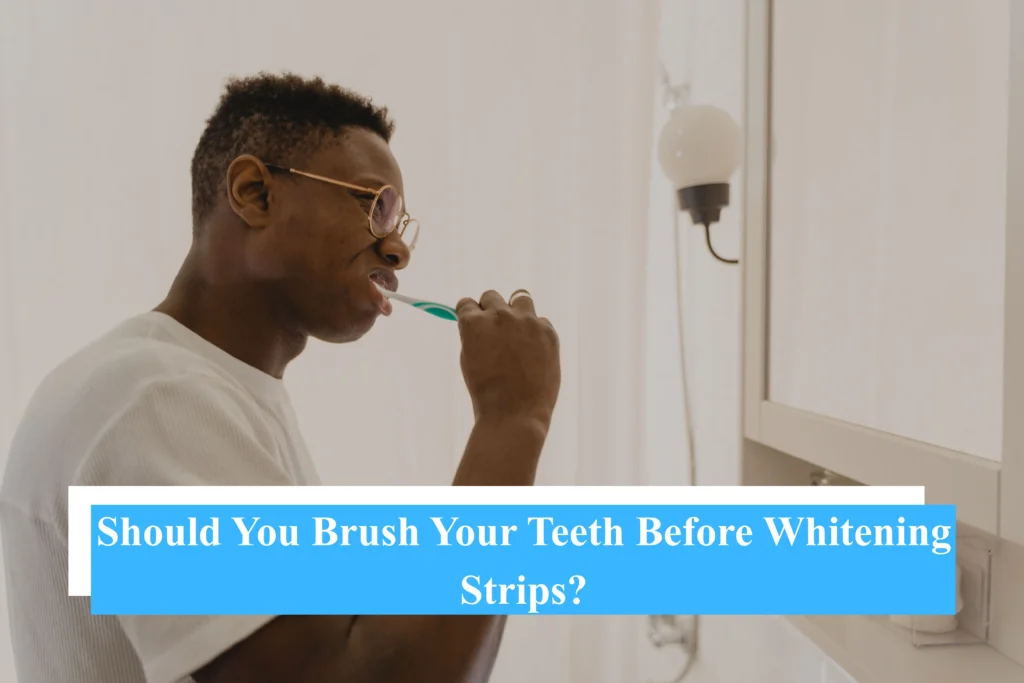
One of the most common questions is: Should you brush your teeth before whitening strips?
The practical answer is that you may brush beforehand, but you should not usually brush immediately before applying the strips. Brushing can temporarily irritate the gums, especially when too much pressure is used. Placing peroxide-based whitening gel against freshly brushed gum tissue may increase the chance of discomfort.
For example, Crest’s instructions advise users not to brush immediately before applying its whitening strips because doing so may irritate the gums. Colgate similarly recommends waiting approximately 30 minutes after brushing before applying whitening strips. Instructions can differ between products, so the directions supplied with your specific whitening kit should always take priority.
Table of Contents
ToggleWhy Brushing Immediately Before Whitening Strips May Cause Irritation
Brushing removes plaque and food debris, but it also creates friction against the gums and teeth. If you brush too aggressively, use a hard-bristled toothbrush or push the bristles into the gumline, the tissue may become temporarily sensitive.
Whitening strips usually contain a peroxide-based gel. When a strip is positioned incorrectly or extends onto the gumline, that gel can irritate the soft tissue. Applying it immediately after vigorous brushing may make that irritation more noticeable.
This does not mean brushing damages the teeth before whitening. The concern is mainly the combination of freshly brushed gum tissue and prolonged contact with whitening gel.
A sensible routine is to brush normally, wait about 30 minutes and then apply the strips. This gives your gums time to settle while ensuring that your teeth are reasonably clean.
Do Teeth Need to Be Clean Before Applying Whitening Strips?
Your teeth should not be covered in food particles or heavy plaque when you apply whitening strips. Food debris can interfere with the way the strip sits against the tooth surface, while an uneven fit may produce inconsistent results.
However, you do not need to scrub your teeth immediately before every whitening session. If you brushed earlier and have not eaten since, your teeth may already be clean enough.
You can also rinse your mouth with water before application if necessary. Follow the manufacturer’s instructions regarding whether the teeth should be rinsed, dried or left naturally moist. Different strip designs use different adhesives, and moisture requirements may vary.
The American Dental Association emphasizes that whitening products should be used according to their instructions. Products carrying the ADA Seal must demonstrate safety and effectiveness for their stated purpose when used as directed.
How Long Should You Wait After Brushing?
A commonly recommended waiting period is approximately 30 minutes between brushing and applying whitening strips.
The exact waiting time may not be identical for every brand. Some manufacturers simply say not to brush “immediately” before treatment, while others provide a more specific interval. Checking the package is therefore more reliable than applying one universal rule to every product.
During the waiting period:
- Do not eat another meal or snack.
- Avoid coffee, tea, juice or other strongly colored beverages.
- Water is generally the safest drink.
- Do not apply additional toothpaste directly to the teeth.
- Avoid rubbing or picking at your gums.
After waiting, look at your gums before applying the strips. If they are bleeding, painful or visibly irritated, postpone whitening and allow them to recover.
Should You Brush After Whitening Strips?
Many people prefer to brush after removing whitening strips because some gel may remain on the teeth. Whether immediate brushing is recommended depends on the product.
Crest states that users can gently brush their teeth after removing its whitening strips. The important word is gently. You should use a soft-bristled toothbrush and avoid aggressive scrubbing, particularly if your teeth feel sensitive.
Other products may recommend rinsing instead. Therefore, read the post-treatment instructions before brushing.
When brushing after whitening:
- Remove the strips at the recommended time.
- Dispose of them rather than reusing them.
- Rinse your mouth if directed.
- Use a soft-bristled toothbrush.
- Apply light pressure.
- Stop if you experience sharp or unusual pain.
You do not need to brush repeatedly to “activate” the whitening gel. Wearing the strips for longer or scrubbing more aggressively will not necessarily make your teeth whiter and may increase discomfort.
A Step-by-Step Whitening-Strip Routine
The following routine works as a general guide, but the directions included with your strips should always come first.
Step 1: Check whether whitening is appropriate
Before starting, inspect your mouth for cavities, cracked teeth, loose fillings, mouth ulcers or gum inflammation. Whitening products can cause significant discomfort when they come into contact with exposed tooth structure or unhealthy gum tissue.
Whitening also affects natural tooth structure differently from crowns, veneers, fillings and composite bonding. Existing restorations may not change color, which can create a visible shade mismatch.
A dental examination is particularly valuable when you have unexplained discoloration, sensitive teeth or extensive dental work.
Step 2: Brush earlier, not immediately beforehand
Brush your teeth with fluoride toothpaste approximately 30 minutes before applying the strips. Clean between your teeth as part of your normal routine, but do not force floss into sore or bleeding gums.
Brushing twice daily with fluoride toothpaste and cleaning between the teeth are important for controlling plaque and maintaining oral health, regardless of whether you are whitening.
Step 3: Read the full instructions
Before opening the packet, check:
- Which strip belongs on the upper teeth
- Which strip belongs on the lower teeth
- How long the strips should stay in place
- How frequently the product should be used
- Whether you should rinse or brush afterward
- How many consecutive treatment days are recommended
Do not assume that one brand’s instructions apply to another.
Step 4: Apply the strips carefully
Position the gel-covered side against the front surfaces of the teeth. Align the strip with the gumline without deliberately covering the gums. Fold any excess material behind the teeth if the instructions tell you to do so.
Wash your hands before and after application. Try not to repeatedly reposition the strips, as this can spread gel onto the gums.
Step 5: Wear the strips only for the stated time
Leaving the strips on longer does not guarantee better whitening. Excessive or repeated exposure can increase sensitivity and gum irritation.
Research and professional guidance indicate that tooth whitening is generally considered safe and effective when established protocols and manufacturer instructions are followed. Overuse, however, may harm the enamel or gums and contribute to significant sensitivity.
Step 6: Remove and dispose of the strips
Peel the strips away gently. Do not swallow them, reuse them or leave them on overnight unless the product has specifically been designed and prescribed for overnight wear.
Rinse or gently brush away residual gel according to the package instructions.
What Happens If You Brush Immediately Before Whitening?
You may not experience any problem at all. However, immediate application can raise the chance of:
- Gum stinging
- Red or irritated tissue
- Temporary white patches on the gums
- Increased tooth sensitivity
- Discomfort where the strip touches the gumline
Temporary Teeth whitening of the gum tissue can occur when peroxide contacts it. Mild irritation often resolves after the product is removed, but persistent pain, swelling, ulceration or bleeding should be assessed by a dental professional.
Do not continue repeatedly applying whitening gel to irritated tissue.
Can Whitening Strips Damage Enamel?
Reputable whitening strips are formulated to be used for a limited duration and number of applications. The ADA has accepted specific whitening strips as safe and effective for whitening natural teeth when used according to their directions.
Problems are more likely when a person:
- Uses the strips more frequently than instructed
- Combines several whitening treatments
- Leaves the strips on too long
- Applies strips despite cavities or cracks
- Continues treatment through severe sensitivity
- Purchases an unregulated product
- Uses a product with an unclear concentration
- Places the gel directly against the gums
The most commonly discussed side effects of bleaching are temporary tooth sensitivity and soft-tissue irritation. Overuse has been associated with more serious problems, which is why “more” does not automatically mean “better.”
What If Your Teeth Become Sensitive?
Mild, short-lived sensitivity can happen during whitening. It may feel like a brief reaction to cold air, water or food.
When sensitivity develops:
- Stop treatment temporarily.
- Follow the product’s instructions regarding treatment breaks.
- Avoid extremely hot or cold foods.
- Use a soft-bristled toothbrush.
- Ask your dentist about a sensitivity toothpaste.
- Do not combine the strips with another bleaching product.
- Resume treatment only when comfortable and appropriate.
Some manufacturers advise stopping for two or three days when significant sensitivity or gum discomfort develops and then reassessing before continuing.
Sensitivity that is severe, affects one particular tooth or continues after whitening has stopped may indicate an underlying dental problem rather than a routine whitening reaction.
Who Should Speak to a Dentist Before Whitening?
Professional advice is recommended when you have:
- Untreated cavities
- Cracked or broken teeth
- Gum disease
- Receding gums
- Exposed tooth roots
- Severe sensitivity
- Dental pain
- Crowns, veneers, bonding or large fillings
- One tooth that is darker than the others
- Discoloration following an injury
- A history of extensive dental treatment
A single dark tooth may have an internal cause that strips cannot correct. Whitening the surrounding teeth without addressing that tooth could make the contrast more noticeable.
Children and younger teenagers should not automatically use adult whitening products. The ADA’s review of whitening guidance notes that the American Academy of Pediatric Dentistry discourages full-arch cosmetic bleaching in children with primary or mixed dentition.
Common Mistakes to Avoid
Brushing aggressively right before treatment
Hard brushing does not help peroxide penetrate the teeth more effectively. It can irritate the gums and make whitening less comfortable.
Covering the gums with the strips
The whitening gel is intended for the teeth. Carefully align the strips so that unnecessary gum contact is minimized.
Wearing strips for longer than directed
Extra treatment time may increase side effects without producing a proportional improvement.
Whitening through pain
Sharp or persistent pain should not be ignored. Stop the treatment and arrange a dental assessment.
Expecting restorations to whiten
Whitening strips are designed to change the appearance of natural tooth structure. Composite fillings, dental bonding, crowns and veneers may remain the same color.
Using several whitening products simultaneously
Combining strips, gels, trays and strong whitening toothpaste may expose the teeth and gums to more treatment than intended.
Frequently Asked Questions
Is it better to whiten in the morning or at night?
The best time is when you can follow the instructions without eating, drinking or disturbing the strips. The product’s recommended frequency matters more than the time shown on the clock.
Can I eat before using whitening strips?
You can eat beforehand, but remove food debris and follow the manufacturer’s preparation instructions. Avoid applying strips directly after consuming strongly acidic foods or drinks.
Can I use mouthwash before whitening strips?
Check the product instructions. Strong or alcohol-containing mouthwash may irritate sensitive tissue in some people. A simple water rinse may be more comfortable immediately before whitening.
Can I floss before whitening?
Yes, as part of your normal oral-hygiene routine, but avoid aggressive flossing immediately before application if your gums bleed easily.
Should I brush harder to remove stains before whitening?
No. Surface stains and plaque should be managed through regular, gentle brushing and professional cleaning when needed. Aggressive brushing can contribute to gum recession and tooth wear.
The Bottom Line
You can brush your teeth before using whitening strips, but avoid brushing immediately before application. A practical approach is to brush gently, wait about 30 minutes and then use the strips exactly as directed.
After treatment, rinse or brush according to the product’s instructions. Never extend the wearing time or increase the number of applications in an attempt to achieve faster results.
Most importantly, remember that whitening is a cosmetic treatment rather than a replacement for dental care. If your teeth are painful, heavily restored, unusually discolored or extremely sensitive, arrange a dental examination before beginning.
This article provides general oral-health information and does not replace an examination or personalized advice from a dentist.