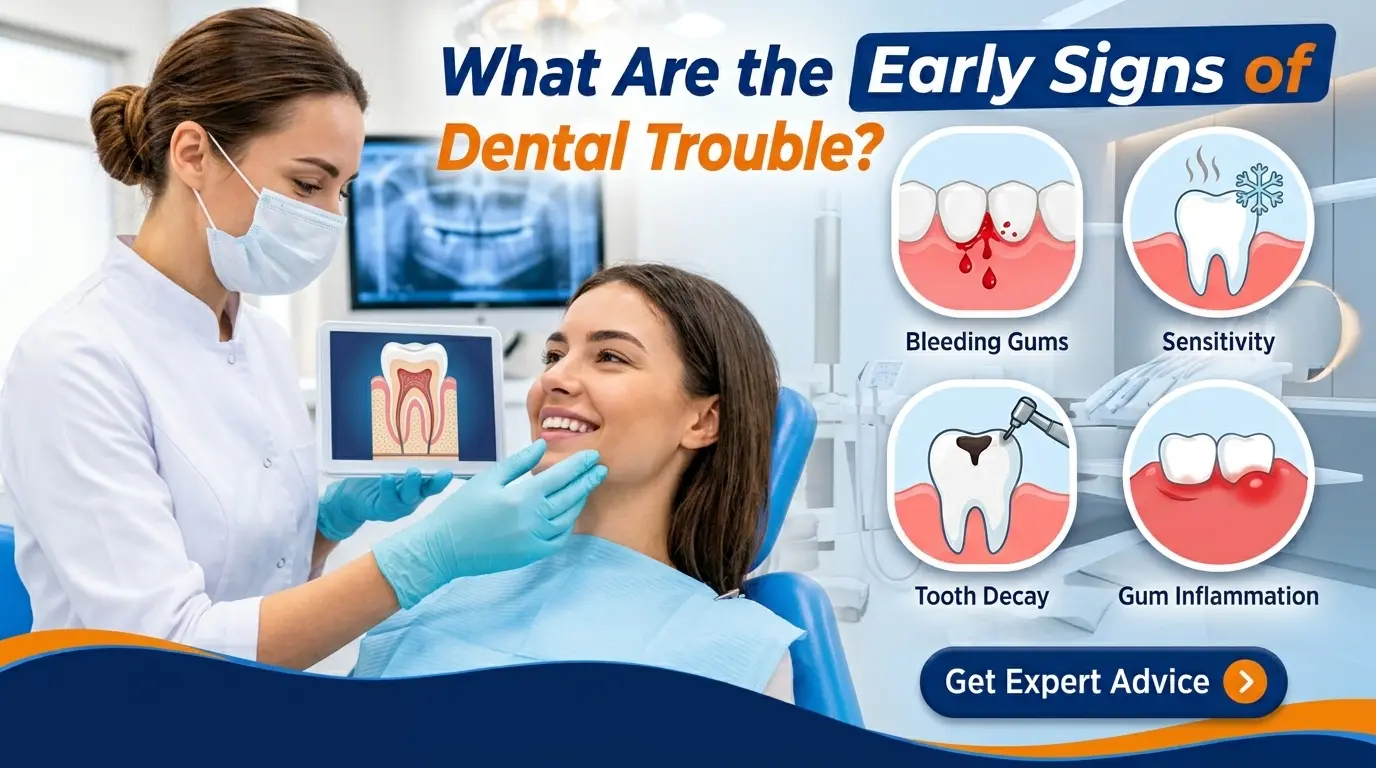
So, what are the early signs of dental trouble? Symptoms such as bleeding gums, persistent bad breath, tooth sensitivity, swollen gums, and unusual changes in tooth colour can indicate underlying oral health problems. Recognising these signs early can help prevent complications, reduce treatment costs, and protect your natural teeth.
For residents of Abu Dhabi, maintaining regular dental check-ups is particularly important for identifying dental problems before they affect everyday activities such as eating, speaking, and smiling.
Whether you are experiencing mild discomfort or simply want to maintain a healthy smile, understanding these warning signs can help you make informed decisions about your dental care.
Table of Contents
ToggleWhy Is It Important to Recognise Early Dental Problems?
Dental problems rarely appear overnight. Tooth decay, gum disease, enamel erosion, and other oral health conditions can progress silently before noticeable discomfort develops.
For example, early tooth decay may initially appear as a small white spot on the enamel. Similarly, gingivitis, which is the earliest stage of gum disease, may cause bleeding during brushing without producing significant pain.
Ignoring these symptoms can allow relatively simple dental conditions to develop into more complicated problems.
Recognising early dental warning signs offers several benefits:
- Helps identify tooth decay before it reaches deeper tooth structures.
- Reduces the risk of advanced gum disease.
- Helps preserve natural teeth.
- Prevents unnecessary discomfort and complications.
- Makes treatment more manageable when problems are detected early.
- Supports better long-term oral hygiene.
If you notice unusual changes in your teeth or gums, arranging a dental examination in Abu Dhabi is a sensible first step.
7 Early Signs of Dental Trouble You Should Watch For
Understanding the common symptoms of dental problems can help you recognise when something is wrong. Below are seven important warning signs that should not be ignored.
1. Bleeding Gums During Brushing or Flossing
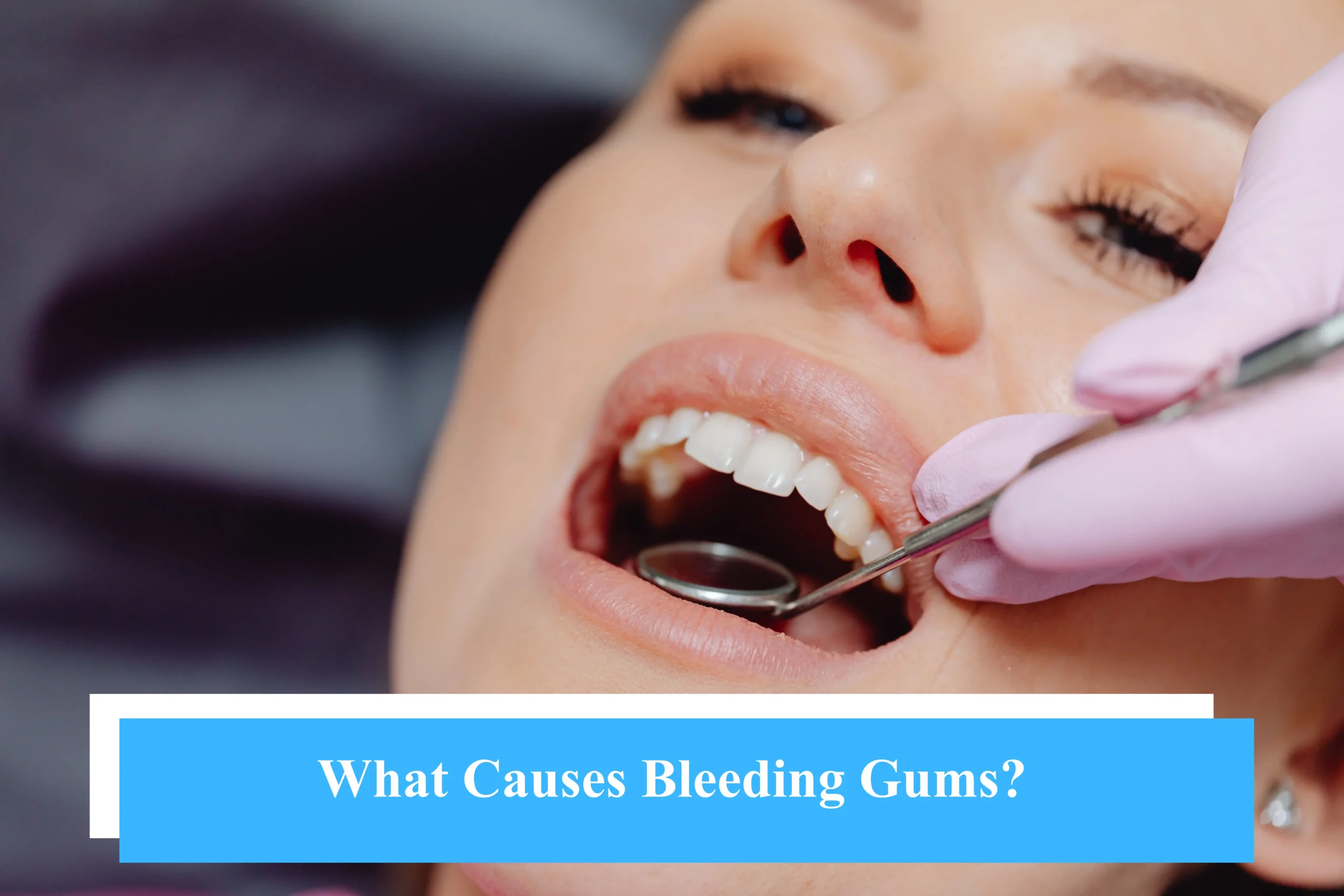
Healthy gums generally do not bleed during normal brushing or flossing. If you regularly notice blood when cleaning your teeth, it could be an early indication of gingivitis.
Gingivitis develops when plaque, a sticky layer of bacteria, accumulates around the gumline. Without proper cleaning, plaque can irritate the gum tissue, causing inflammation, redness, and bleeding.
Common symptoms include:
- Bleeding while brushing or flossing.
- Red or darker-looking gums.
- Tenderness around the gumline.
- Mild swelling.
- Persistent irritation near the teeth.
Some people mistakenly believe that bleeding gums are normal, especially when brushing firmly. However, repeated bleeding should not be ignored.
What should you do?
Use a soft-bristled toothbrush, brush gently twice daily, and clean between your teeth regularly. Avoid stopping oral hygiene practices because of minor bleeding. If the bleeding continues, schedule a dental examination.
Early gum disease is often manageable with professional cleaning and improved oral hygiene.
2. Tooth Sensitivity to Hot and Cold Foods
Do you experience a sudden, sharp sensation when drinking cold water, enjoying hot coffee, or eating something sweet?
Tooth sensitivity is another common early sign of dental trouble. It occurs when the protective enamel becomes thinner or the underlying dentin becomes exposed.
Several factors can contribute to sensitive teeth, including:
- Early tooth decay.
- Enamel erosion.
- Gum recession.
- Aggressive brushing.
- Cracked or damaged teeth.
- Teeth grinding.
Sensitivity may initially last only a few seconds. However, repeated or worsening discomfort can indicate an underlying issue that requires professional attention.
How can you manage tooth sensitivity?
A dentist may recommend desensitising toothpaste, fluoride treatment, or other appropriate procedures depending on the cause. Avoid excessively acidic foods and brushing too aggressively.
If sensitivity affects one particular tooth or causes lingering pain, arrange an examination rather than relying only on home remedies.
3. Persistent Bad Breath or an Unpleasant Taste
Occasional bad breath is normal, particularly after eating strongly flavoured foods or waking up in the morning. However, persistent bad breath, also known as halitosis, may indicate an underlying oral health problem.
Bacteria can accumulate on the tongue, between teeth, and around the gumline. These bacteria produce unpleasant-smelling compounds that contribute to chronic bad breath.
Possible causes include:
- Poor oral hygiene.
- Gum disease.
- Tooth decay.
- Food particles trapped between teeth.
- Dry mouth.
- Certain oral infections.
A lingering unpleasant taste in your mouth can also accompany these conditions.
What can help?
Brush twice daily, clean your tongue, floss regularly, and drink enough water to support saliva production. If bad breath continues despite good oral hygiene, consult a dentist in Abu Dhabi to identify its underlying cause.
Persistent halitosis should not simply be covered with mouthwash or chewing gum.
4. White Spots, Dark Marks, or Changes in Tooth Colour
Changes in tooth colour can sometimes indicate more than ordinary staining.
White, chalky spots on the enamel may represent early mineral loss associated with the beginning stages of tooth decay. Dark spots or brown areas may be caused by staining, cavities, or other dental changes.
You may notice:
- White patches on the surface of your teeth.
- Brown or dark spots.
- A single tooth becoming grey or darker.
- Visible pits or rough areas.
- Changes in the appearance of existing fillings.
Not every discoloured tooth has a cavity. Coffee, tea, tobacco, and certain medications can also affect tooth colour.
However, a newly darkened tooth, especially after an injury, should be examined promptly.
Why is early assessment important?
When enamel begins losing minerals, appropriate professional care and preventive measures may help stop or slow the progression of early decay. Once a cavity develops, restorative treatment may be necessary.
A dental professional can determine whether the change is caused by staining, enamel damage, decay, or another condition.
5. Swollen, Red, or Tender Gums
Healthy gums should generally appear firm and should not feel painful during everyday oral hygiene.
Swollen or tender gums can indicate inflammation caused by plaque accumulation, infection, or other oral health conditions.
Common symptoms include:
- Puffy gum tissue.
- Redness around the teeth.
- Discomfort while chewing.
- Gum tenderness when touched.
- Bleeding during brushing.
- Changes in the gumline.
In some cases, swelling may be associated with an abscess or a more advanced infection.
If you notice swelling around a particular tooth, especially when accompanied by pain, pus, or fever, seek prompt dental care.
How can you protect your gums?
Maintain consistent brushing and flossing habits and attend regular professional dental cleanings. Avoid ignoring gum swelling simply because it does not cause severe pain.
Early diagnosis can help prevent inflammation from progressing into more serious periodontal problems.
6. Jaw Pain, Clicking Sounds, or Teeth Grinding
Dental trouble does not always originate directly from the teeth. Sometimes, discomfort in the jaw muscles or temporomandibular joints (TMJ) can indicate an underlying issue.
Bruxism, commonly known as teeth grinding, involves repeatedly clenching or grinding your teeth. It can occur during sleep or while awake, particularly during periods of stress or concentration.
Possible warning signs include:
- Jaw stiffness after waking up.
- Frequent morning headaches.
- Flattened or worn tooth surfaces.
- Tooth sensitivity without an obvious cause.
- Clicking or popping sounds when opening the mouth.
- Facial muscle discomfort.
Although occasional jaw clicking is not always a serious concern, persistent pain or restricted jaw movement deserves professional evaluation.
What treatment options are available?
Depending on the cause, a dentist may recommend a custom night guard, bite assessment, or other appropriate treatment. If jaw symptoms persist, an evaluation can help determine whether the issue involves teeth grinding or a TMJ disorder.
7. Toothache or Pain When Biting
Tooth pain is one of the most noticeable signs that something may be wrong. However, not all dental problems begin with severe pain.
You might initially experience mild discomfort when chewing, biting down, or applying pressure to a particular tooth.
Possible causes include:
- Tooth decay.
- A cracked tooth.
- Damaged dental fillings.
- Tooth infection.
- Gum inflammation.
- Dental trauma.
Pain that becomes stronger, lasts longer, or interferes with sleep should never be ignored.
A toothache can sometimes indicate that decay has progressed beyond the enamel and reached the inner structures of the tooth.
When should you visit a dentist?
Arrange a dental appointment if pain persists, returns repeatedly, or occurs when biting. Severe pain, facial swelling, fever, or difficulty swallowing requires urgent medical or dental assessment.
Other Dental Symptoms That May Require Attention
Apart from the seven major warning signs, several additional changes may indicate developing oral health problems.
Receding gums: If your teeth appear longer than before, your gum tissue may be moving away from the tooth surfaces.
Loose permanent teeth: Adult teeth should not become loose. This can indicate advanced gum disease, injury, or another underlying condition.
Mouth sores that do not heal: Most minor mouth ulcers resolve within approximately two weeks. A sore, lump, or unusual patch that persists for more than two weeks should be professionally assessed.
Dry mouth: Reduced saliva production can increase the risk of tooth decay, discomfort, and oral infections.
Food frequently getting stuck between teeth: This may be related to cavities, changes in tooth alignment, or gaps caused by gum problems.
These symptoms do not automatically mean you have a serious dental condition. However, persistent or unusual changes deserve professional attention.
What Causes Common Dental Problems?
Understanding the causes of dental trouble can help you take preventive steps.
Poor Oral Hygiene
Inconsistent brushing and flossing allow plaque and bacteria to accumulate. Over time, this can contribute to tooth decay and gum inflammation.
Frequent Consumption of Sugary Foods
Bacteria in the mouth use sugars to produce acids that attack tooth enamel. Frequent exposure to these acids increases the risk of cavities.
Acidic Foods and Drinks
Soft drinks, citrus fruits, and other acidic products can gradually weaken enamel, particularly when consumed frequently.
Teeth Grinding
Repeated grinding places excessive pressure on the teeth and may contribute to enamel wear, cracks, sensitivity, and jaw discomfort.
Irregular Dental Check-Ups
Some dental conditions develop without obvious symptoms. Skipping routine examinations can delay diagnosis and treatment.
Tobacco Use
Smoking and other tobacco products can increase the risk of gum disease, oral tissue changes, and other serious oral health conditions.
How Can You Prevent Dental Problems Before They Become Serious?
Prevention is one of the most effective ways to maintain healthy teeth and gums.
Here are practical habits you can incorporate into your daily routine.
- Brush Twice Daily
Brush your teeth for approximately two minutes, twice a day, using fluoride toothpaste and a soft-bristled toothbrush.
- Floss Every Day
Flossing helps remove food particles and plaque from areas that a toothbrush cannot reach easily.
- Limit Sugary and Acidic Foods
Reduce frequent snacking on sugary foods and limit acidic drinks to help protect your enamel.
- Drink Enough Water
Water supports saliva production and helps wash away food particles. Choose water instead of sugary beverages whenever possible.
- Replace Your Toothbrush Regularly
Replace your toothbrush approximately every three to four months, or earlier if the bristles become damaged.
- Schedule Regular Dental Examinations
Visit your dentist at intervals recommended for your individual oral health needs. Some people require more frequent check-ups because of existing dental conditions.
- Avoid Using Your Teeth as Tools
Do not use your teeth to open packaging, bite hard objects, or crack nuts. These habits can cause fractures and damage.
When Should You Visit a Dentist in Abu Dhabi?
You do not need to wait until you experience severe pain before scheduling a dental appointment.
Consider visiting a dental clinic in Abu Dhabi if you experience:
- Repeated bleeding or swollen gums.
- Persistent bad breath.
- Tooth sensitivity that does not improve.
- Visible spots or changes in tooth colour.
- Pain when chewing.
- Jaw discomfort or frequent grinding.
- A broken, cracked, or loose tooth.
If you experience facial swelling, fever, severe dental pain, or signs of a spreading infection, seek urgent dental care.
Early professional assessment can help identify the cause of your symptoms and determine the most appropriate treatment.
What Happens During a Dental Check-Up?
If you have never visited a dentist for a routine examination, knowing what to expect can make the experience easier.
A typical dental check-up may include:
Review of your dental history: The dentist may ask about existing symptoms, previous treatments, medications, and general oral health concerns.
Examination of teeth and gums: Your dentist checks for cavities, plaque accumulation, gum inflammation, damaged fillings, and other visible changes.
Assessment of your bite: The way your upper and lower teeth meet may be evaluated, particularly if you experience jaw discomfort or grinding.
Dental X-rays when necessary: Depending on your symptoms and clinical findings, X-rays may help identify problems that are not visible during a regular examination.
Personalised treatment recommendations: If an issue is identified, your dentist explains the available options and preventive steps.
The purpose of a check-up is not simply to treat existing problems. It is also to identify potential concerns and help you maintain long-term oral health.
Frequently Asked Questions
1. What are the first signs of dental problems?
The first signs commonly include bleeding gums, tooth sensitivity, persistent bad breath, swollen gums, white spots on teeth, and discomfort when chewing. These symptoms can indicate early tooth decay, gum disease, or other oral health concerns.
2. Can dental problems develop without pain?
Yes. Early tooth decay and gum disease may develop without noticeable pain. This is why regular dental examinations are important, even when your teeth appear healthy.
3. Are bleeding gums always a sign of gum disease?
Not necessarily. Brushing too aggressively, irritation, and certain health conditions can also cause bleeding. However, repeated bleeding during brushing or flossing should be evaluated by a dental professional.
4. Why do my teeth suddenly become sensitive?
Sudden sensitivity may be associated with enamel erosion, cavities, gum recession, cracks, or exposed tooth roots. A dentist can identify the cause and recommend suitable treatment.
5. How often should I visit a dentist in Abu Dhabi?
Many people benefit from a dental check-up every six months. However, the ideal frequency depends on your oral health, dental history, and individual risk factors.
6. Can early tooth decay be reversed?
Very early enamel mineral loss may sometimes be managed or reversed through fluoride treatments, good oral hygiene, and dietary changes. However, an established cavity generally requires dental treatment.
7. Is persistent bad breath a dental problem?
It can be. Persistent bad breath may result from gum disease, tooth decay, bacterial buildup, or dry mouth. A dental examination can help identify whether the cause is related to oral health.
8. What should I do if my gums bleed every day?
Continue gentle brushing with a soft toothbrush, clean between your teeth, and arrange a dental assessment. Daily gum bleeding should not be considered normal.
Protect Your Smile with Early Dental Care in Abu Dhabi
Your teeth and gums can provide important clues about your oral health. Bleeding gums, persistent bad breath, sensitivity, discolouration, and jaw discomfort may seem like minor issues, but they can sometimes indicate conditions that require professional attention.
The good news is that many dental problems are easier to manage when identified early. Maintaining good oral hygiene, making healthy dietary choices, and attending regular dental examinations can help protect your natural teeth and prevent avoidable complications.
Do not wait for dental pain to interrupt your daily life.
If you have noticed any of these early signs of dental trouble, book a dental consultation in Abu Dhabi to understand what is happening and explore suitable treatment options.
Your healthy smile starts with timely dental care. Contact our dental team today to schedule your appointment and take the next step towards better oral health.