
The purpose of a routine dental examination is to detect problems early and help you maintain oral health. You can have tooth decay or gum disease before you notice significant pain, which is why waiting for symptoms is not a reliable checkup schedule.
Table of Contents
ToggleReviewing Your Medical and Dental History
The appointment usually begins with questions about toothache, sensitivity, bleeding gums, recent dental treatment and changes in your health. Tell the dental team about prescriptions, allergies, pregnancy and conditions that may affect care.
Be specific about symptoms. Explain whether discomfort occurs when biting, after cold drinks or around a particular tooth. If you feel anxious about treatment, mention it before the examination. You can agree on a signal to pause and ask the dentist to explain each step.
Examining the Teeth and Existing Dental Work
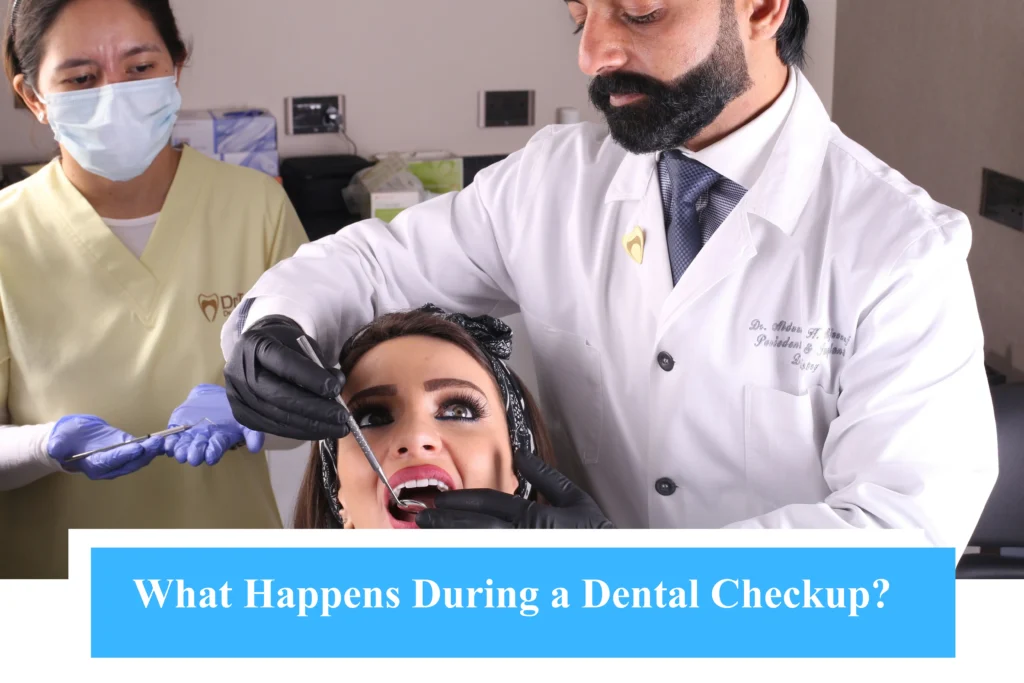
Using a light and dental instruments, the dentist examines tooth surfaces and existing fillings, crowns or other restorations. They look for signs of decay, fractures, wear and areas that may be difficult to clean.
A visible stain does not automatically mean a cavity, and a tooth that looks normal may still have a problem between the teeth. Findings are interpreted alongside your symptoms, previous records and any imaging that is clinically appropriate.
Checking Gum Health
The dentist assesses plaque, tartar, swelling, bleeding and gum recession. They may use a periodontal probe to check the spaces between your teeth and gums. These measurements help identify whether further assessment for periodontal disease is needed.
Tell the dentist if your gums bleed while brushing or if your teeth feel loose. Gum disease can affect the supporting tissues around teeth, so the examination involves more than checking for cavities.
Looking at the Rest of the Mouth
A checkup also includes an examination of oral soft tissues, such as the tongue, cheeks and other areas of the mouth. The dentist may ask about an ulcer, lump or patch that has not healed.
An abnormal finding does not necessarily indicate cancer. However, it may require review, referral or further investigation. Explain how long the change has been present rather than assuming it is unrelated to dental care.
Are Dental X Rays Always Needed?
No. The dentist decides whether X-rays will help answer a clinical question, taking account of your oral health, previous images and risk of disease. Images can reveal problems that are not visible during a surface examination.
Ask what the proposed image is intended to show. Tell the team if you are pregnant or think you may be pregnant so they can plan appropriate care. X-rays should be selected because they are useful, rather than taken simply because another appointment has arrived.
Cleaning and Discussing the Treatment Plan
A checkup and a scale-and-polish are different services. Some practices combine them, while others arrange a separate hygiene appointment. More extensive periodontal treatment is different again and depends on the findings.
Before you leave, the dentist should explain any problems, reasonable treatment options and preventive advice. Ask which work is urgent, which findings can be monitored and what costs apply. You should understand the plan before agreeing to treatment.
How Often Should You Have a Dental Checkup?
Recall intervals depend on individual risk. NHS guidance describes intervals that can range from three months to two years for adults, with shorter maximum intervals for children. Your local dentist should recommend a schedule appropriate to your needs.
Do not wait for the next routine appointment if you develop pain, swelling, persistent bleeding or a broken tooth.
How to Prepare for Your Dental Checkup
Preparation does not require a special cleaning marathon. Brush and clean between your teeth as you normally would, and bring information that helps the dentist understand your health. A current medicine list is particularly useful if you have several prescriptions or have recently started treatment for another condition.
Write down your main concerns in order of importance. If your appointment is for a routine examination but you also have a tooth that hurts, tell the practice when booking. The team may need to adjust the appointment type or time rather than discover an urgent concern at the end of a routine visit.
If you have moved practices, ask whether previous records or X-rays can be transferred. Existing images can sometimes help avoid unnecessary repeat imaging. Bring details of recent procedures if you received care elsewhere, especially when a restoration was placed or a tooth problem has been monitored.
Practical needs are worth mentioning in advance. These may include difficulty lying back, communication support, limited mobility or anxiety. Explaining the need early allows the practice to discuss reasonable arrangements instead of trying to solve everything when you are already in the chair.
What Different Dental Findings Mean
A Tooth That Needs Monitoring
Not every finding leads immediately to a filling. The dentist may identify an area that needs improved cleaning, preventive care or review. Ask what the concern is, what you can do at home and which changes would prompt treatment.
A monitoring plan should be understandable. You should know which tooth is involved and when it will be checked again. If the explanation is unclear, ask the dentist to show you the area or relevant image. Understanding the purpose of review helps you avoid interpreting “watching it” as ignoring it.
A Filling or Crown That Needs Attention
Existing dental work may be assessed for wear, fractures, fit or other problems. A restoration can remain comfortable while still requiring review. Equally, a visible change does not always mean the entire restoration must be replaced.
Ask whether repair, replacement or observation is recommended and why. The choice can depend on the condition of the restoration and the remaining tooth. A useful discussion explains the expected benefit and limitations without assuming that the most extensive option is automatically best.
Gum Measurements and Bleeding
Numbers called out during a gum examination can sound worrying when you do not know what they represent. Ask for an explanation of whether the assessment suggests healthy gums, early inflammation or a need for more detailed periodontal examination.
The significance comes from the whole pattern rather than one isolated number. Bleeding, recession, tooth mobility and other findings may be considered together. Your home cleaning routine is relevant, but a professional should also explain whether deposits or other factors require treatment.
Dental Checkup Versus Dental Cleaning
An examination establishes the condition of the mouth and helps determine the plan. Cleaning removes deposits using techniques suited to the findings. Although these services may be offered in the same visit, one is not a substitute for the other.
If you book a cleaning appointment, confirm whether an examination is also included. If you need periodontal treatment, a routine polish may not be the appropriate service. Ask which kind of cleaning is proposed, what area it targets and whether additional visits are expected.
Home brushing remains necessary after professional cleaning. A clean mouth on appointment day does not guarantee that plaque will stay controlled afterward. Ask the hygienist to focus on the areas you find difficult rather than leaving with only a general instruction to “brush better.”
What to Expect if You Feel Anxious
Dental anxiety can range from mild nervousness to difficulty attending at all. Be direct about which part worries you: pain, the sound of instruments, a previous experience or uncertainty about what will happen. A specific concern is easier to address than an assumption that you simply dislike all dental care.
Agree on a stop signal before the examination begins. Ask whether the dentist can explain findings before moving on to any proposed treatment. A routine checkup does not mean you have consented to every possible procedure that might be identified.
If additional support or sedation is being considered, it needs separate discussion and planning. Do not assume that taking a sedative on your own before arrival is appropriate. Tell the practice about your concerns so they can advise on safe options and any appointment requirements.
Useful Questions to Ask Before Leaving
Ask which findings matter most and what action is needed first. If several procedures are proposed, request a clear sequence and an explanation of urgency. You can also ask about reasonable alternatives and what may happen if you defer a particular treatment.
Confirm the expected cost and what is included. An examination fee, hygiene fee and treatment fee may be separate. Written treatment estimates can help you compare options accurately without reducing the decision to price alone.
Ask for specific advice about your own cleaning routine. For example, you may need help around a bridge, behind a retainer or between closely spaced teeth. Advice tailored to one problem area is often easier to act on than a long list of generic oral-health instructions.
What Happens After the Appointment?
If no treatment is needed, follow the preventive advice and the recommended recall interval. If treatment is planned, arrange the relevant appointments and check any preparation instructions. Keep a note of the symptoms that should lead you to contact the practice sooner.
If pain or swelling develops after the checkup, do not assume that the recent examination means a new problem is impossible. Contact the dental team and explain what has changed. Likewise, a referral should come with an explanation of its purpose and how the next step will be arranged.
A good dental checkup leaves you understanding the current state of your mouth and your next actions. The value lies in assessment, prevention and a clear plan, rather than in how many procedures are completed during the visit.
Frequently Asked Questions
Does a Dental Checkup Hurt?
A routine examination is usually manageable, although inflamed gums or sensitive teeth may feel uncomfortable. Tell the dentist so they can adjust their approach.
Should You Brush Before a Dental Appointment?
Follow your usual cleaning routine. You do not need to scrub harder or conceal symptoms. Accurate information about your everyday habits helps the dentist give useful advice.
Will a Filling Be Done During the Checkup?
Sometimes, but treatment may need a separate appointment. The dentist should explain the finding and obtain your agreement before carrying out a procedure.