
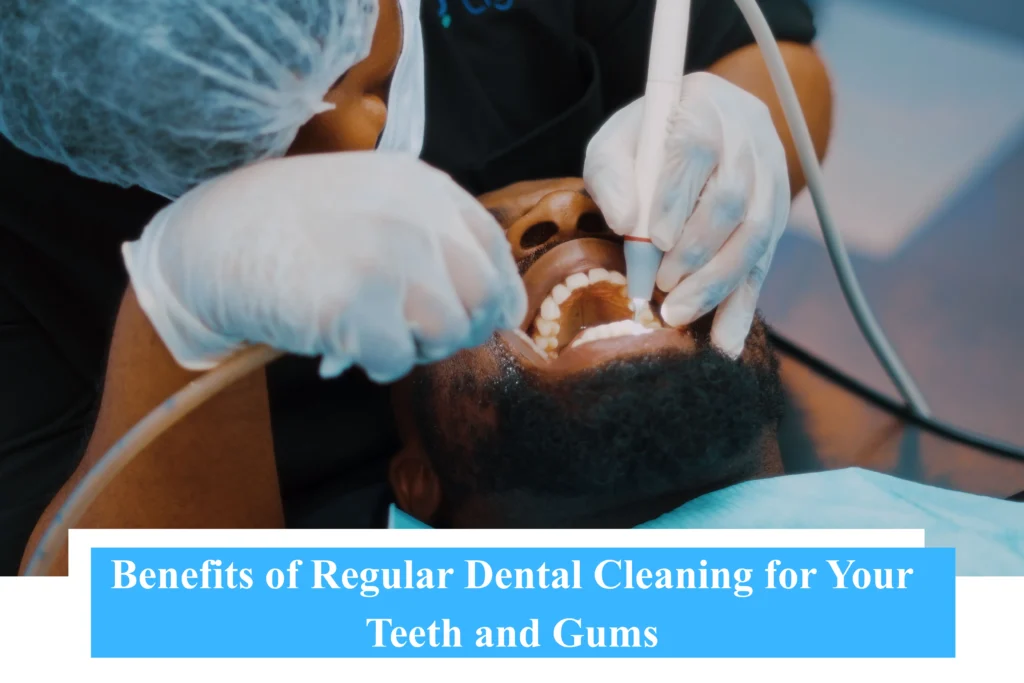
Over time, plaque can harden into tartar, particularly around the gumline and in areas that are difficult to clean at home. Professional dental cleaning helps remove these deposits and supports healthier teeth and gums.
The benefits of regular dental cleaning go beyond having cleaner-looking teeth. Routine professional cleaning can help reduce the risk of gum disease, cavities, bad breath, and other oral health problems while also allowing dental professionals to identify potential concerns early.
Here is a closer look at why regular dental cleaning is an important part of preventive dental care.
Table of Contents
ToggleWhat Is a Professional Dental Cleaning?
A professional dental cleaning is performed by a dentist or dental hygienist to remove plaque, tartar, and surface stains from the teeth.
A typical dental cleaning may involve:
- Examination of the teeth and gums
- Removal of plaque and tartar
- Professional polishing
- Flossing between the teeth
- Oral hygiene recommendations
- Fluoride treatment when appropriate
The exact procedure may vary depending on your oral health and the type of cleaning required.
1. Removes Plaque and Tartar Buildup
Plaque is a sticky film of bacteria that continuously forms on the teeth.
Daily brushing and flossing help remove much of this plaque, but areas between the teeth and near the gumline can still be difficult to clean completely.
When plaque remains on the teeth for too long, it can harden into tartar.
Tartar cannot usually be removed effectively with normal brushing at home. Professional dental instruments are required to remove it safely.
Regular dental cleaning therefore helps reduce plaque and tartar accumulation before it contributes to more serious oral health problems.
2. Helps Prevent Gum Disease
One of the most important benefits of regular dental cleaning is its role in supporting healthy gums.
Plaque and tartar around the gumline can irritate gum tissue and contribute to gingivitis.
Early signs may include:
- Bleeding gums
- Redness
- Swelling
- Tenderness
- Persistent bad breath
If gum inflammation continues, it may progress into periodontal disease.
Professional cleaning removes deposits from areas that may be difficult to reach with a toothbrush or floss, helping reduce one of the major contributors to gum disease.
3. Reduces the Risk of Cavities
Cavities develop when acids produced by bacteria gradually damage tooth enamel.
Plaque creates an environment where these bacteria can remain in contact with the tooth surface.
Removing plaque and tartar regularly can help lower the amount of harmful buildup around the teeth.
Professional cleanings also give your dental team an opportunity to identify early signs of decay before cavities become larger or painful.
4. Helps Keep Your Breath Fresh
Persistent bad breath can sometimes be linked to plaque, tartar, bacteria, gum disease, or trapped food particles.
Brushing and mouthwash may temporarily improve breath, but they may not address hardened tartar or deeper buildup around the gums.
A professional cleaning removes deposits that can contribute to unpleasant breath.
For many patients, maintaining professional dental cleanings alongside daily brushing, flossing, tongue cleaning, and hydration can help keep the mouth feeling fresher.
5. Helps Remove Surface Stains
Coffee, tea, tobacco, and certain foods can gradually stain the outer surfaces of the teeth.
Professional polishing during a dental cleaning can remove some surface staining and leave the teeth looking cleaner and brighter.
However, it is important to understand that dental cleaning is different from professional teeth whitening.
Cleaning removes plaque, tartar, and superficial stains, while whitening treatments are specifically designed to lighten tooth color.
6. Allows Early Detection of Dental Problems
Routine dental appointments are valuable because dental problems do not always cause pain in their early stages.
During a cleaning or examination, your dental professional may identify signs of:
- Tooth decay
- Cracked teeth
- Damaged fillings
- Gum inflammation
- Gum recession
- Tooth wear
- Dental infections
- Changes in the soft tissues of the mouth
Early detection may allow problems to be treated before they become more complicated.
This can potentially reduce the need for more extensive restorative treatment later.
7. Supports Long-Term Tooth Retention
Healthy gums and strong supporting tissues are important for keeping natural teeth throughout adulthood.
Advanced gum disease can damage the bone and tissues that support the teeth.
By removing plaque and tartar and monitoring gum health regularly, professional dental cleaning contributes to preventive care aimed at protecting the structures surrounding your teeth.
Combining regular cleanings with effective home care may help you maintain your natural teeth for longer.
8. Helps Control Gum Inflammation
Plaque contains bacteria that can irritate the gums.
When plaque remains around the gumline, the gums may become inflamed.
Regular professional cleaning removes deposits that contribute to this irritation and helps create a cleaner environment around the gums.
Your dental hygienist may also recommend specific techniques for cleaning difficult areas at home, helping improve gum health between appointments.
9. Provides Personalized Oral Hygiene Advice
Every patient’s mouth is different.
Some people struggle with plaque buildup behind the lower front teeth, while others may find it difficult to clean around crowns, bridges, braces, implants, or crowded teeth.
During your dental cleaning appointment, your dental professional can identify areas that need extra attention and recommend suitable products or techniques.
These may include:
- Interdental brushes
- Dental floss
- Electric toothbrushes
- Fluoride toothpaste
- Water flossers
- Special cleaning tools for dental restorations
Personalized guidance can make your daily oral hygiene routine more effective.
10. Helps Monitor Existing Dental Work
Adults often have dental restorations such as:
- Fillings
- Crowns
- Bridges
- Dental implants
- Veneers
- Dentures
Regular dental visits allow these restorations and surrounding tissues to be checked.
Problems such as loose restorations, plaque buildup around crowns, or inflammation around dental implants may sometimes be identified before major symptoms develop.
Professional cleaning also helps maintain cleanliness around dental work that may be more difficult to maintain at home.
11. Can Help Reduce Future Dental Treatment Needs
Preventive dentistry focuses on identifying and managing problems early.
Routine dental cleaning does not guarantee that you will never need dental treatment, but it can reduce several risk factors associated with preventable oral health conditions.
For example, removing tartar before gum disease progresses may help reduce the likelihood of needing more complex periodontal treatment.
Similarly, detecting early decay may allow a smaller restoration instead of more extensive treatment later.
Preventive dental care can therefore be beneficial for both oral health and long-term dental maintenance.
12. Keeps Your Smile Looking Clean and Healthy
A clean smile can make a noticeable difference to how your teeth look and feel.
After professional dental cleaning, many people notice:
- Smoother teeth
- Cleaner tooth surfaces
- Less visible buildup
- Fresher breath
- Reduced surface staining
While professional cleaning is primarily a preventive health procedure, improved appearance is an additional benefit.
How Often Should You Get a Dental Cleaning?
Many patients are familiar with having dental cleaning approximately every six months, but there is no single schedule that is appropriate for every person.
Your ideal cleaning frequency may depend on factors such as:
- Gum health
- Plaque and tartar buildup
- History of gum disease
- Smoking
- Dry mouth
- Medical history
- Dental restorations
- Oral hygiene habits
- Individual cavity risk
Some people may need more frequent professional care, particularly those with periodontal disease or other oral health risk factors.
Your dentist or dental hygienist can recommend a cleaning schedule based on your individual needs.
What Happens If You Skip Dental Cleanings?
Missing professional dental cleanings for long periods may allow plaque and tartar to accumulate.
This may contribute to problems such as:
- Gum inflammation
- Bleeding gums
- Bad breath
- Tooth decay
- Gum recession
- Periodontal disease
- Increased staining
- More difficult cleaning later
Many oral health conditions can develop gradually without causing significant discomfort at first.
Routine preventive visits help dental professionals identify and manage these changes earlier.
Dental Cleaning vs Deep Cleaning
A regular dental cleaning and a deep cleaning are not the same procedure.
Regular Dental Cleaning
Routine cleaning is generally intended for patients with relatively healthy gums and focuses on removing plaque and tartar from the visible tooth surfaces and around the gumline.
Deep Dental Cleaning
A deep cleaning, often involving scaling and root planing, may be recommended for patients with periodontal disease.
It cleans deeper beneath the gumline and around tooth roots to remove bacterial deposits associated with gum disease.
Your dentist will determine which type of cleaning is appropriate based on your gum health.
How to Maintain Your Teeth Between Dental Cleanings
Professional cleaning works best when combined with consistent oral care at home.
To protect your teeth between visits:
- Brush twice daily with fluoride toothpaste.
- Clean between your teeth every day.
- Brush gently along the gumline.
- Clean your tongue regularly.
- Limit frequent sugary snacks and beverages.
- Drink water throughout the day.
- Avoid smoking and tobacco products.
- Replace worn toothbrush heads.
- Follow any personalized instructions provided by your dentist or hygienist.
Good home care reduces plaque buildup and helps maintain the results of your professional cleaning.
Final Thoughts
The benefits of regular dental cleaning include plaque and tartar removal, healthier gums, reduced cavity risk, fresher breath, early detection of dental problems, and better long-term oral health.
Even with excellent brushing and flossing habits, professional dental cleaning remains an important part of preventive care because certain areas of the mouth are difficult to clean completely at home.
By combining professional cleanings with regular dental examinations and consistent oral hygiene, you can help protect your teeth, gums, and smile for years to come.
If it has been a while since your last dental cleaning, scheduling a dental examination can help determine what level of preventive care is appropriate for your oral health.
Frequently Asked Questions
Is regular dental cleaning necessary if I brush every day?
Yes. Brushing and flossing are essential, but tartar can still build up in difficult-to-reach areas. Professional dental cleaning removes hardened deposits that a normal toothbrush cannot effectively remove.
Does dental cleaning prevent cavities?
Dental cleaning can help reduce plaque and tartar buildup that contributes to tooth decay. However, cavity prevention also depends on fluoride exposure, diet, oral hygiene habits, saliva levels, and individual risk factors.
Does professional dental cleaning whiten teeth?
A dental cleaning can remove certain surface stains and make the teeth appear cleaner and brighter. However, it is not the same as professional teeth whitening.
Can dental cleaning help with bad breath?
Yes, particularly when bad breath is associated with plaque, tartar, trapped food particles, or gum inflammation. Persistent bad breath should still be evaluated to identify its underlying cause.
How long does a dental cleaning take?
The duration varies depending on the amount of buildup, gum health, and the type of cleaning required. Routine cleanings are typically shorter than periodontal or deep-cleaning appointments.
Is dental cleaning painful?
Most routine dental cleanings cause little or no significant discomfort. People with sensitive teeth, inflamed gums, or heavy tartar buildup may experience temporary sensitivity during the procedure