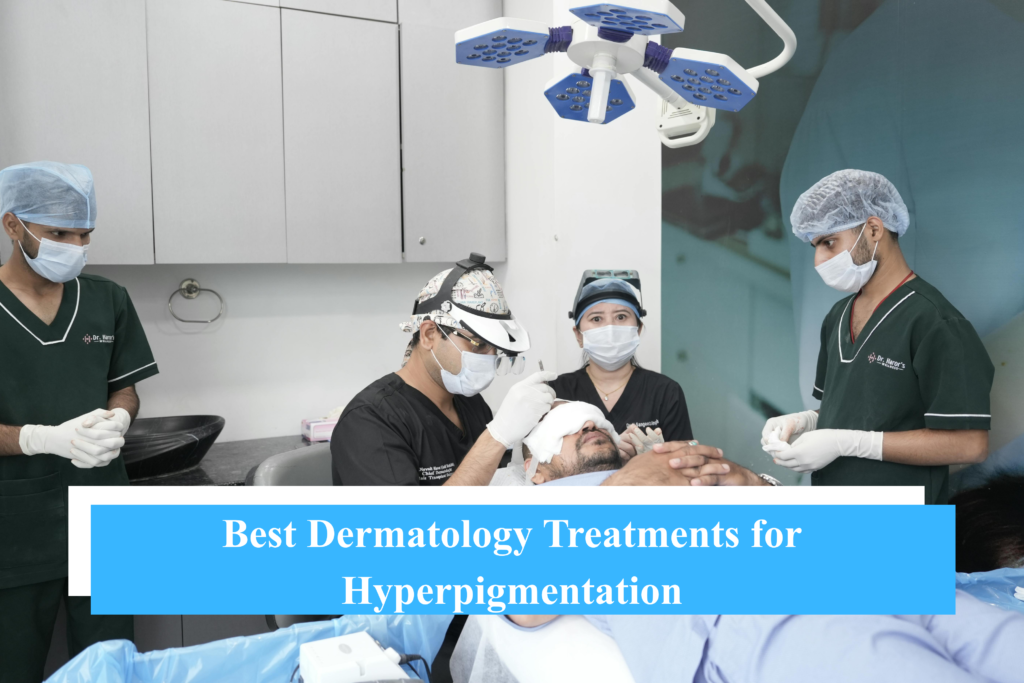
Hyperpigmentation is one of the most common skin concerns affecting people of all skin types and ages. Whether it appears as dark spots, uneven tone, or patches of discoloration, it can impact confidence and overall skin health. Fortunately, modern dermatology offers highly effective solutions to treat and manage this condition.
In this guide, we’ll explore the best dermatology treatments for hyperpigmentation, including advanced clinical procedures, prescription treatments, and essential prevention strategies—especially for individuals seeking expert care in Abu Dhabi.
Table of Contents
ToggleWhat is Hyperpigmentation?
Hyperpigmentation refers to the darkening of certain areas of the skin caused by excess melanin production. Melanin is the pigment responsible for skin color, and when it becomes overproduced, it leads to visible dark patches.
Common Causes:
- Sun exposure (UV damage)
- Acne scars
- Hormonal changes (melasma)
- Skin inflammation or injury
- Aging
Types of Hyperpigmentation
Understanding the type of pigmentation you have is essential for choosing the right treatment.
1. Melasma
Often triggered by hormonal changes, melasma appears as symmetrical patches on the face.
2. Post-Inflammatory Hyperpigmentation (PIH)
Occurs after acne, burns, or injuries and is common in darker skin tones.
3. Sunspots (Age Spots)
Caused by prolonged sun exposure, typically seen on the face, hands, and shoulders.
Why Professional Dermatology Treatments Work Better
While over-the-counter products can help mildly, professional dermatology treatments provide faster, deeper, and more targeted results. They work by:
- Penetrating deeper skin layers
- Breaking down excess melanin
- Boosting skin regeneration
Top dermatology treatments for hyperpigmentation include professional-grade chemical peels, laser therapy (IPL, Q-switch, Fraxel), and prescription topical agents like hydroquinone or retinoids to fade dark spots. For stubborn pigment, combinations of in-office procedures such as microneedling and chemical peels are highly effective.
Top In-Office Dermatology Procedures
Laser Therapy: Advanced Precision Treatment
Laser therapy is one of the most effective solutions for treating pigmentation.
- Laser Therapy: Targets specific pigment with precision, breaking down excess melanin.
- IPL (Intense Pulsed Light): Ideal for sun spots and superficial, light-based damage.
- Fractional Lasers (e.g., Fraxel Dual, Clear + Brilliant): Creates micro-injuries to boost cell turnover.
- Q-switch Laser: Uses short, high-energy pulses for deeper pigmentation.
These treatments are widely available in premium dermatology clinics in Abu Dhabi, offering safe and customized solutions.
Chemical Peels: Skin Renewal from Within
Chemical peels are another highly effective option.
- Chemical Peels: Uses acids (glycolic, lactic, TCA) to exfoliate the top layer of skin, improving texture and tone.
They remove damaged skin layers, revealing brighter and more even-toned skin underneath.
Microneedling / RF Microneedling
- Microneedling / RF Microneedling: Induces collagen and forces cell turnover to break up hyperpigmentation, often paired with chemical peels for enhanced results.
This treatment is especially beneficial for acne scars combined with pigmentation.
Dermabrasion
- Dermabrasion: Exfoliates the epidermis to address superficial scarring and pigmentation.
Though less common today, it remains effective for certain cases.
Topical Prescription and Clinical Treatments
Dermatologists often recommend prescription-strength topical treatments alongside procedures.
- Hydroquinone: A gold-standard lightening agent that inhibits tyrosinase activity to reduce melanin production.
- Retinoids (Tretinoin): Speeds up cell turnover, allowing dark spots to fade faster.
- Azelaic Acid & Kojic Acid: Topical ingredients that inhibit pigment production.
- Vitamin C & Niacinamide: Antioxidants used to brighten skin tone and prevent further oxidation of melanin.
These treatments are typically part of a long-term skincare routine prescribed by dermatologists in Abu Dhabi.
Combination Treatments for Stubborn Pigmentation
For deeper or resistant pigmentation, dermatologists often combine treatments:
- Laser + Chemical Peels
- Microneedling + PRP
- Topical agents + in-office procedures
This multi-approach strategy significantly improves outcomes and speeds up recovery.
Prevention and Maintenance
Even after successful treatment, maintenance is critical to prevent recurrence.
- Sunscreen (Essential): Daily SPF 50+ with iron oxides is critical to block visible light and prevent darkening.
- Consistency: Dark spots can take 3 to 4 months or longer to show significant improvement with treatment.
Without proper sun protection, pigmentation can quickly return.
Choosing the Right Treatment in Abu Dhabi
If you are in Abu Dhabi, selecting the right dermatology clinic is essential for safe and effective treatment.
Look for:
- Board-certified dermatologists
- Advanced laser technology
- Customized treatment plans
- Experience with different skin tones
Clinics in Abu Dhabi are known for offering world-class dermatology services tailored to individual skin needs.
Results Timeline and Expectations
Hyperpigmentation treatment is not instant. Results vary based on severity and method used:
- Mild pigmentation: 4–8 weeks
- Moderate pigmentation: 2–4 months
- Deep pigmentation: 6+ months
Consistency and professional guidance are key to achieving optimal results.
Conclusion
Hyperpigmentation is a manageable condition with the right dermatological approach. From advanced laser therapies to prescription topical treatments, there are multiple solutions available depending on your skin type and concern.
For individuals seeking effective care in Abu Dhabi, modern dermatology clinics offer cutting-edge treatments designed to restore clear, radiant skin.