
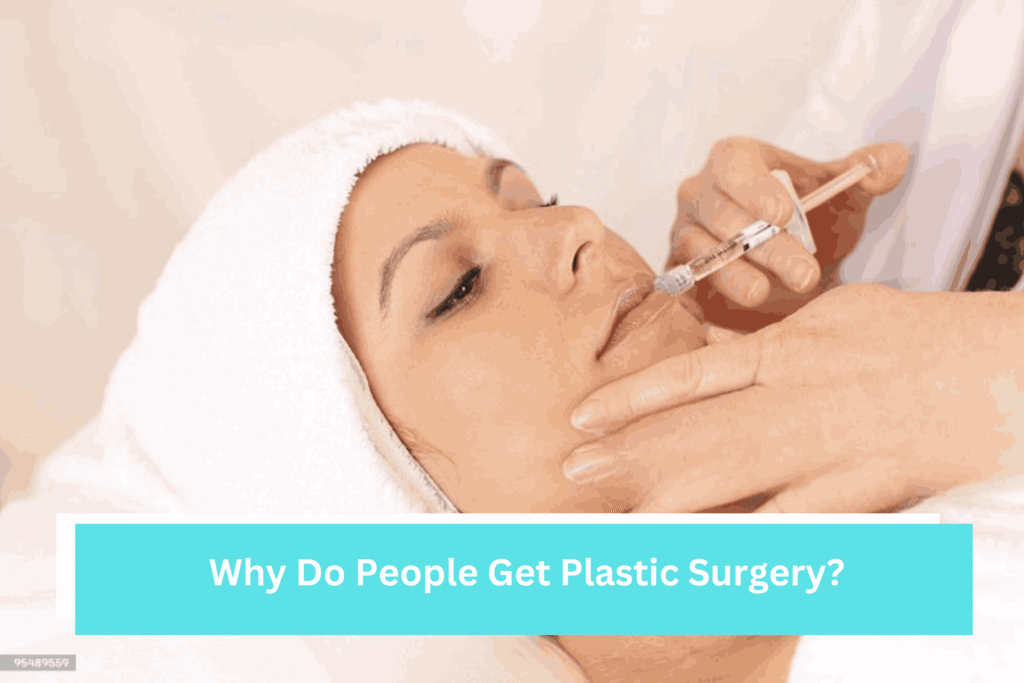
Why do people get plastic surgery?
The answer goes far beyond beauty trends. People choose plastic surgery for deeply personal, medical, psychological, and functional reasons. In this detailed guide, we’ll explore the real motivations, the benefits, the risks, and what experts say about making an informed decision.
Table of Contents
ToggleUnderstanding Plastic Surgery: Cosmetic vs. Reconstructive
Before diving into motivations, it’s important to understand the two main categories of plastic surgery:
- Cosmetic Surgery – Focused on enhancing appearance.
- Reconstructive Surgery – Focused on restoring form and function after injury, illness, or congenital conditions.
Both types share a common goal: improving quality of life.
As a general principle:
People get plastic surgery to enhance physical appearance, boost self-confidence, or reconstruct body parts affected by injuries, diseases (like breast cancer), or birth defects. It is used to correct functional issues, reverse signs of aging, or align appearance with personal ideals, ultimately aiming to restore form and function.
This statement summarizes the heart of why plastic surgery exists.
Key Reasons for Plastic Surgery
Reconstructive Needs
One of the most important reasons people undergo plastic surgery is medical necessity.
Correcting Birth Defects
Conditions such as cleft palate, facial asymmetry, or congenital deformities can affect both function and confidence. Reconstructive surgery helps patients live healthier and more socially comfortable lives.
Repairing Damage from Accidents
Car accidents, burns, or trauma can cause severe disfigurement. Plastic surgeons play a critical role in restoring appearance and functionality.
Post-Cancer Reconstruction
After procedures like mastectomy for breast cancer, many women opt for breast reconstruction. This step is often emotional and empowering, helping survivors regain confidence after a difficult journey.
Clinics such as The McIndoe Centre are known internationally for advanced reconstructive and cosmetic procedures, demonstrating how plastic surgery can be life-restoring rather than purely aesthetic.
Reconstructive procedures are not about vanity—they are about healing.
Enhancing Appearance and Self-Esteem
Another major reason people get plastic surgery is to feel more confident.
In today’s digital world, appearance plays a strong role in personal and professional life. While confidence should ideally come from within, many individuals feel that correcting certain features helps them feel aligned with their self-image.
Common procedures include:
- Rhinoplasty (nose reshaping)
- Liposuction
- Breast augmentation
- Eyelid surgery
- Tummy tuck
For many patients, the goal is not perfection but proportion and balance.
Research suggests that patients who undergo procedures for the right reasons often report:
- Improved self-confidence
- Better social comfort
- Increased professional confidence
However, experts emphasize that surgery should enhance confidence—not replace self-worth.
Reversing Signs of Aging
Aging is natural, but that doesn’t mean everyone is comfortable with visible changes.
Wrinkles, sagging skin, and volume loss are common concerns, particularly among professionals and public-facing individuals. Procedures such as facelifts, neck lifts, Botox, and fillers aim to create a refreshed, youthful look.
The goal isn’t to look 20 again—it’s to look like a well-rested, natural version of oneself.
In high-income regions such as Abu Dhabi, anti-aging procedures are increasingly popular due to:
- Social standards
- Media influence
- Professional competitiveness
- Lifestyle expectations
When performed conservatively, these procedures can subtly enhance appearance without dramatic transformation.
Functional Improvement
Not all plastic surgery is cosmetic. Some procedures correct physical problems that affect daily life.
Examples include:
- Septoplasty to fix breathing issues
- Breast reduction to relieve back pain
- Eyelid surgery to improve vision
- Scar revision to improve mobility
In these cases, plastic surgery directly improves physical comfort and health.
Psychological and Emotional Motivations
While medical and aesthetic reasons are common, emotional factors also play a role.
Some individuals seek plastic surgery to:
- Recover from bullying or body shaming
- Regain confidence after weight loss
- Feel more aligned with their identity
- Overcome insecurities
However, ethical surgeons screen patients carefully to ensure expectations are realistic. Surgery cannot solve deep psychological distress, and reputable centers emphasize mental readiness.
Institutions like The McIndoe Centre often include thorough consultation processes before approving procedures.
Why Plastic Surgery Is Growing in Abu Dhabi
Abu Dhabi has become a regional hub for medical aesthetics. Several factors contribute to rising demand:
High Healthcare Standards
The UAE offers internationally accredited clinics and highly trained surgeons.
Disposable Income
A strong economy allows more individuals to afford elective procedures.
Cultural Shifts
There is increasing acceptance of aesthetic enhancement.
Medical Tourism
Patients from neighboring countries travel to Abu Dhabi for safe, regulated treatments.
With advanced clinics, modern technology, and privacy-focused care, Abu Dhabi continues to see growth in both reconstructive and cosmetic procedures.
Risks and Considerations
Despite its benefits, plastic surgery is still surgery. Patients must consider:
- Surgical risks
- Recovery time
- Financial cost
- Emotional expectations
Choosing a board-certified surgeon is essential. A good surgeon will:
- Conduct detailed consultations
- Explain risks clearly
- Avoid overpromising results
- Provide realistic outcomes
Is Plastic Surgery Right for Everyone?
The decision is highly personal.
Plastic surgery may be appropriate if:
- You have realistic expectations
- You are physically healthy
- You understand the risks
- You are doing it for yourself—not external pressure
It may not be suitable if:
- You expect surgery to fix emotional trauma
- You feel pressured by others
- You are seeking perfection
Ultimately, these procedures are chosen to improve quality of life and restore confidence.
The Bigger Picture: Form and Function
At its core, plastic surgery exists to restore balance—physically and emotionally.
Whether someone is:
- Rebuilding their life after cancer
- Correcting a congenital condition
- Enhancing a feature that causes insecurity
- Reversing visible signs of aging
The intention is often the same: to feel whole.
That’s why experts emphasize that plastic surgery should always prioritize safety, ethics, and patient well-being.
Final Thoughts
So, why do people get plastic surgery?
Because it can:
- Repair damage
- Restore health
- Improve function
- Enhance appearance
- Boost confidence
When approached responsibly and performed by qualified professionals, plastic surgery can be transformative—not just physically, but emotionally.
In cities like Abu Dhabi and in world-class centers such as The McIndoe Centre, the focus continues to shift from vanity to wellness, from perfection to restoration.
If you’re considering plastic surgery, the most important step isn’t the procedure—it’s the consultation. Ask questions, understand your motivations, and make a decision that supports your long-term health and happiness.