

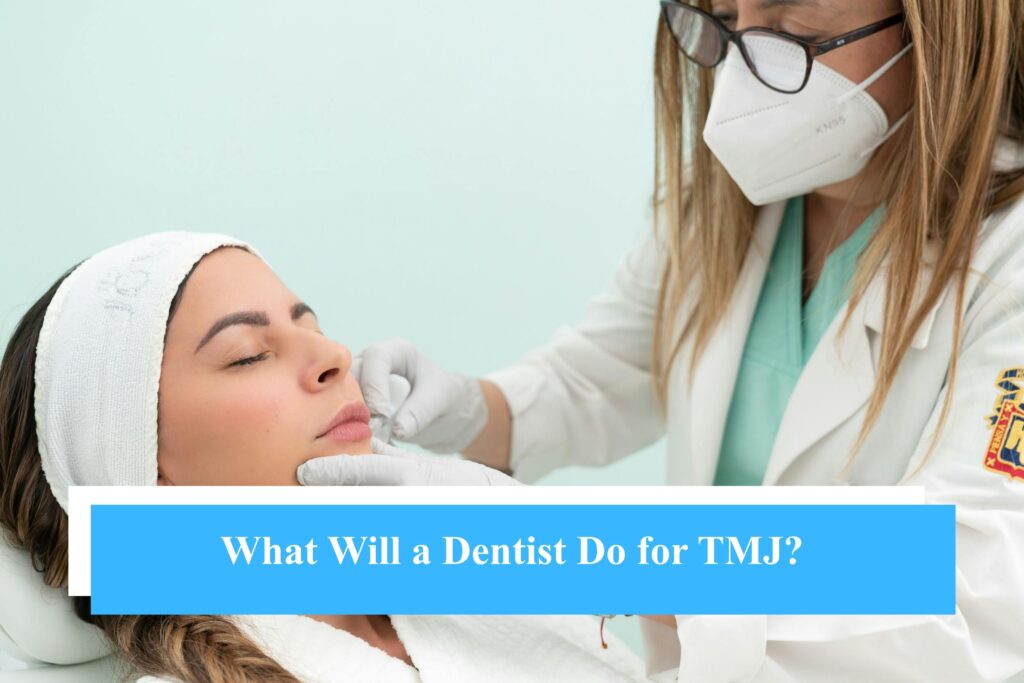
The good news is that dentists play a crucial role in diagnosing and treating TMJ disorders using non-invasive and highly effective methods. In this guide, we’ll explore everything you need to know—from diagnosis to treatment options—so you can find relief and restore your jaw function.
Table of Contents
ToggleIntroduction to TMJ Disorders
The temporomandibular joint connects your jawbone to your skull and allows movements like speaking, chewing, and yawning. When this joint becomes inflamed or misaligned, it leads to TMJ disorders (TMD).
Common Symptoms Include:
- Jaw pain or tenderness
- Clicking or popping sounds
- Difficulty opening or closing the mouth
- Headaches or ear pain
- Facial discomfort
Ignoring these symptoms can worsen the condition, which is why consulting a dentist early is essential.
How Dentists Diagnose TMJ Problem
Before starting treatment, a dentist performs a thorough diagnosis to identify the root cause of your TMJ disorder.
Diagnosis Process:
- Checking your joints for noises or discomfort
- Evaluating your jaw movement and alignment
- Taking specialized dental X-rays or an MRI to assess the joint condition
Dentists may also examine your bite and look for signs of teeth grinding (bruxism), which is a major contributor to TMJ issues.
Common Dental Treatments for TMJ
Dentists treat Temporomandibular Joint (TMJ) disorders using conservative approaches to alleviate pain and restore jaw function. These treatments are usually non-invasive and highly effective.
Oral Appliance Therapy
One of the most common treatments is a custom-made nightguard or splint.
How it works:
- Fits over your teeth
- Prevents grinding and clenching
- Reduces pressure on the jaw joint
This is often the first line of treatment and provides significant relief for many patients.
Medications
Dentists may prescribe medications to manage pain and inflammation, such as:
- Muscle relaxants
- Anti-inflammatory drugs
- Pain relievers
These medications help reduce muscle tension and improve jaw movement.
Physical Therapy & Exercises
Your dentist may guide you through specific exercises designed to:
- Strengthen jaw muscles
- Improve mobility
- Reduce stiffness
These exercises are simple but highly effective when done consistently.
Behavioral Adjustments
Lifestyle changes are an important part of TMJ treatment. Dentists often recommend:
- Eating soft foods
- Avoiding chewing gum
- Reducing wide jaw movements
- Managing stress
These small changes can make a big difference in reducing symptoms.
Advanced TMJ Treatments by Dentists
If basic treatments don’t provide enough relief, dentists may suggest more advanced options.
Botox Injections
Botox is increasingly used to treat TMJ disorders.
Benefits include:
- Relaxing overactive jaw muscles
- Reducing pain and tension
- Minimizing teeth grinding
This treatment is quick, minimally invasive, and effective for chronic cases.
Orthodontics & Dental Work
If your TMJ problem is caused by bite misalignment, your dentist may recommend:
- Braces or aligners
- Reshaping teeth
- Restorative dental procedures
Correcting the bite helps distribute pressure evenly across the jaw.
Trigger Point Injections
These injections target specific muscle knots (trigger points) that cause pain.
They are especially helpful for patients with myofascial pain syndrome, a common TMJ-related condition.
When to Seek Specialist Help
In most cases, TMJ disorders can be managed with conservative treatments. However, if symptoms persist, your dentist may refer you to a specialist.
You May Be Referred To:
- Oral and maxillofacial surgeon
- TMJ specialist
Advanced Treatments Include:
- Arthrocentesis (joint flushing)
- Arthroscopy
- Open-joint surgery (rare cases)
These procedures are typically considered only when all other options have failed.
Lifestyle Tips Dentists Recommend
Dentists don’t just treat TMJ—they also help prevent it from worsening.
Key Tips:
- Maintain good posture
- Avoid resting your chin on your hand
- Practice stress management techniques
- Use heat or ice packs for relief
- Stay hydrated
Consistency in these habits can significantly improve your condition.
TMJ Treatment in Abu Dhabi
If you’re located in Abu Dhabi, you have access to world-class dental care for TMJ disorders.
Clinics in Abu Dhabi offer:
- Advanced diagnostic tools
- Customized treatment plans
- Experienced TMJ specialists
Whether you need a nightguard or advanced therapy, you can find high-quality care tailored to your needs.
Conclusion: Take Control of Your TMJ Health
So, what will a dentist do for TMJ? The answer is reassuring—dentists use a wide range of conservative, effective, and personalized treatments to relieve pain and restore normal jaw function.
From nightguards and medications to advanced therapies like Botox and orthodontics, modern dentistry offers multiple solutions tailored to your specific condition.
Struggling with jaw pain or TMJ symptoms? Don’t wait.
Book a consultation with a qualified dentist today and get a personalized TMJ treatment plan designed just for you. Early treatment can prevent long-term complications and help you live pain-free again.