
When patients ask, “What is orthodontics in dentistry?”, they are usually thinking about braces and straight teeth. However, orthodontics is much more than cosmetic improvement. It is a highly specialized field of dentistry dedicated to correcting tooth alignment, jaw positioning, and bite-related problems to improve both oral health and facial harmony.
Orthodontics is a specialized branch of dentistry focused on diagnosing, preventing, and treating malpositioned teeth and jaws, commonly known as “bad bites” or malocclusion. It goes beyond aesthetics to improve oral health, function (chewing/speaking), and facial structure using appliances like braces, clear aligners, and retainers to move teeth.
In growing cities like Abu Dhabi, orthodontic care is becoming increasingly popular among both children and adults who want healthier, more confident smiles.
Table of Contents
ToggleUnderstanding Orthodontics: A Specialized Field of Dentistry
Orthodontics deals specifically with irregularities in teeth and jaw alignment. While general dentists handle routine oral care such as fillings, cleanings, and extractions, orthodontists undergo additional years of advanced training after dental school to focus exclusively on correcting misalignment issues.
Difference from General Dentistry
Orthodontists are specialists who complete additional, intensive training after dental school to focus solely on tooth and jaw alignment. This specialized education allows them to design precise treatment plans that guide teeth into proper positions while maintaining jaw balance and facial symmetry.
Why Orthodontics Is Important
Many people assume orthodontic treatment is only about achieving a beautiful smile. While aesthetics is certainly a major benefit, orthodontics also plays a critical role in maintaining long-term oral health.
When teeth are crooked or crowded, it becomes difficult to clean them properly. This increases the risk of:
- Tooth decay
- Gum disease
- Plaque buildup
- Jaw pain and TMJ issues
Orthodontic treatment improves bite alignment, which enhances chewing efficiency and speech clarity. Properly aligned teeth also distribute biting forces evenly, reducing unnecessary wear and tear.
Key Aspects of Orthodontics
To fully understand what orthodontics in dentistry involves, it is helpful to break it down into core components.
Treatment Scope
Orthodontic treatment corrects a wide range of dental and skeletal issues, including:
- Crooked teeth
- Crowded teeth
- Gapped teeth
- Protruding teeth
- Overbites
- Underbites
- Crossbites
- Open bites
By addressing these problems early, orthodontists can prevent more complex dental complications later in life.
Benefits of Orthodontic Treatment
Orthodontics offers both functional and aesthetic benefits.
Improves Oral Hygiene
Straight teeth are easier to brush and floss, reducing the risk of cavities and gum disease.
Prevents Tooth Decay and Gum Disease
When plaque cannot accumulate in tight or misaligned areas, overall dental health improves.
Reduces Risk of Injury
Protruding front teeth are more likely to be damaged during accidents. Orthodontic treatment reduces this risk.
Enhances Smile Aesthetics
A well-aligned smile boosts self-confidence and improves facial appearance.
Orthodontic Appliances
Orthodontics uses various devices to gradually move teeth into their correct positions.
Fixed Appliances (Braces)
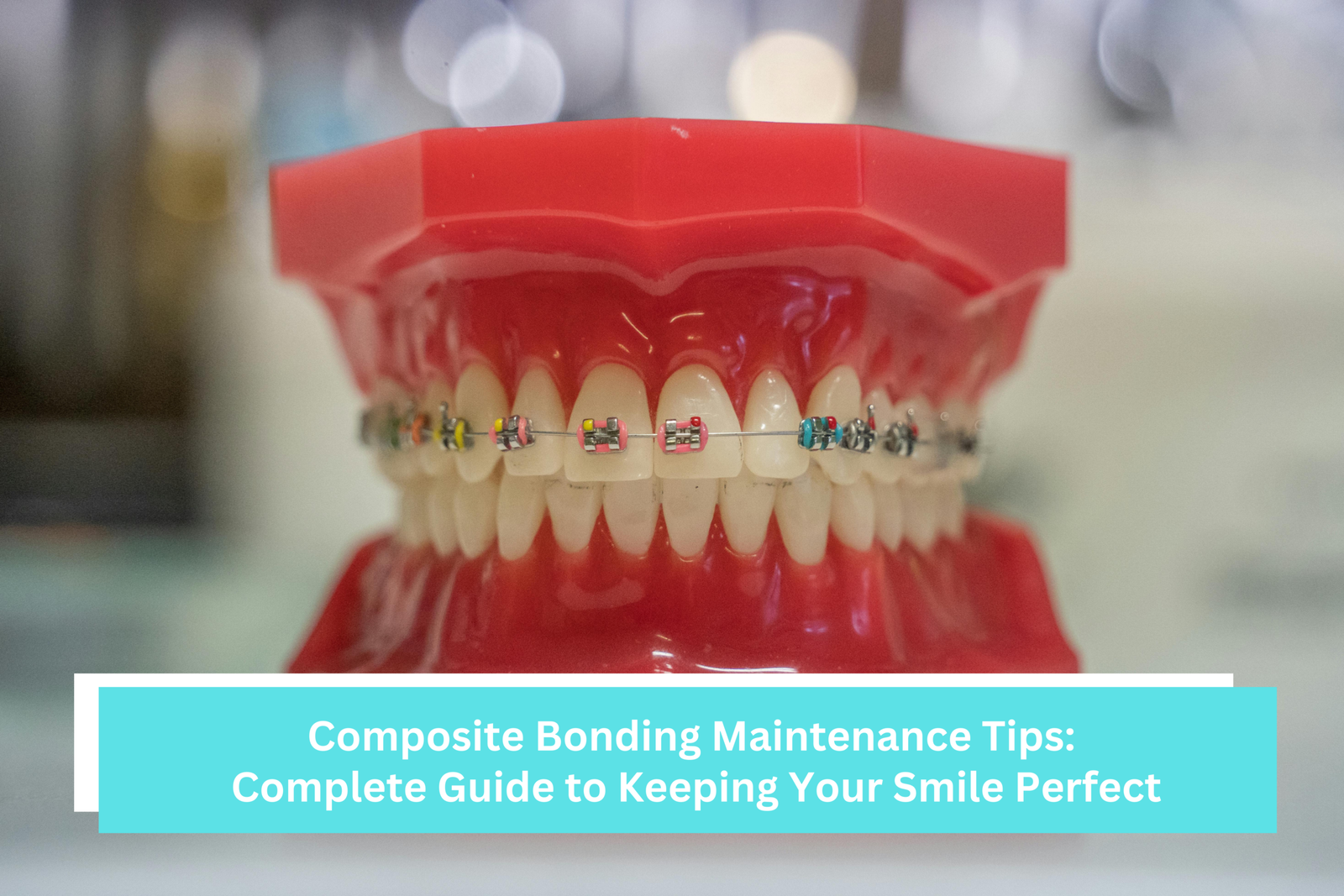
Traditional braces consist of brackets attached to teeth and connected with wires. They apply controlled pressure over time to shift teeth into alignment.
Types include:
- Metal braces
- Ceramic braces
- Lingual braces (placed behind teeth)
Removable Appliances
Modern orthodontics offers less visible and more flexible treatment options such as:
- Clear aligners
- Retainers
- Expanders
Clear aligners are especially popular among adults because they are discreet and removable.
Who Needs Orthodontic Treatment?
Orthodontic care is not limited to children. While historically focused on children and teenagers, orthodontics is for all ages, with about 30% of patients being adults.
Children and Early Assessment
Orthodontic treatment often starts after most permanent teeth emerge, usually around age 12, but early assessments are recommended around age 7.
Early evaluation allows orthodontists to:
- Identify jaw growth issues
- Guide proper tooth eruption
- Prevent severe crowding
- Reduce the need for future tooth extraction
Teenagers
Teen years are the most common time for braces because the jaw is still developing, making teeth easier to reposition.
Adults
Adult orthodontics is increasingly common. Many adults in Abu Dhabi seek treatment for:
- Cosmetic enhancement
- Bite correction
- Relapse from previous orthodontic treatment
Modern options like clear aligners make adult treatment more convenient and discreet.
Common Orthodontic Problems (Malocclusion Types)
Overbite
Upper front teeth overlap the lower teeth excessively.
Underbite
Lower teeth extend beyond the upper teeth.
Crossbite
Upper teeth sit inside lower teeth instead of outside.
Open Bite
Upper and lower teeth do not touch when the mouth is closed.
Crowding
Not enough space in the jaw for teeth to align properly.
Spacing Issues
Large gaps between teeth.
Each of these conditions can affect chewing, speaking, and overall facial structure.
How Orthodontic Treatment Works
Orthodontic treatment follows a systematic process:
Consultation and Examination
The orthodontist examines teeth, takes X-rays, digital scans, and photographs.
Treatment Planning
A customized treatment plan is created based on:
- Age
- Jaw growth
- Severity of misalignment
- Patient preferences
Active Treatment Phase
Braces or aligners are used to gradually move teeth. This phase typically lasts 12–24 months.
Retention Phase
After teeth are aligned, retainers are worn to maintain results and prevent shifting.
The Role of Orthodontics in Facial Structure
Orthodontics does not only straighten teeth; it also influences facial balance. Proper jaw alignment improves:
- Chin positioning
- Lip support
- Overall facial symmetry
In cases of severe jaw misalignment, orthodontic treatment may be combined with corrective jaw surgery for optimal results.
Orthodontics and Oral Health in Abu Dhabi
With increasing awareness of dental health in Abu Dhabi, orthodontic clinics now offer advanced digital technology, including 3D scanning and customized treatment planning.
Many families in Abu Dhabi are choosing early orthodontic evaluations for their children to ensure proper dental development and long-term oral health.
How Long Does Orthodontic Treatment Take?
Treatment duration varies depending on complexity:
- Mild cases: 6–12 months
- Moderate cases: 12–24 months
- Complex cases: 24+ months
Consistency in wearing appliances and attending appointments significantly impacts results.
Are Braces Painful?
Patients may experience mild discomfort after adjustments or when switching aligners. However, modern orthodontic techniques minimize pain and maximize comfort.
Maintaining Results After Treatment
Retention is a critical part of orthodontics. Without retainers, teeth may gradually shift back to their original positions.
Orthodontists typically recommend:
- Full-time retainer wear initially
- Nighttime wear long-term
Why Choose a Specialist Orthodontist?
Choosing a trained orthodontist ensures:
- Accurate diagnosis
- Proper bite correction
- Long-term stability
- Reduced risk of complications
Because orthodontics involves moving teeth and modifying jaw growth, expert planning is essential for safe and effective outcomes.
Final Thoughts: What Is Orthodontics in Dentistry?
To summarize, orthodontics is far more than just straightening teeth. It is a specialized branch of dentistry dedicated to improving alignment, bite function, oral health, and facial harmony.
Orthodontics corrects crooked, crowded, or protruding teeth and jaw misalignment using braces, aligners, and other appliances. It enhances both health and aesthetics, benefiting patients of all ages.
If you or your child are considering orthodontic treatment, an early evaluation can prevent future complications and ensure a healthier, more confident smile—especially in growing communities like Abu Dhabi where advanced orthodontic care is widely available.