

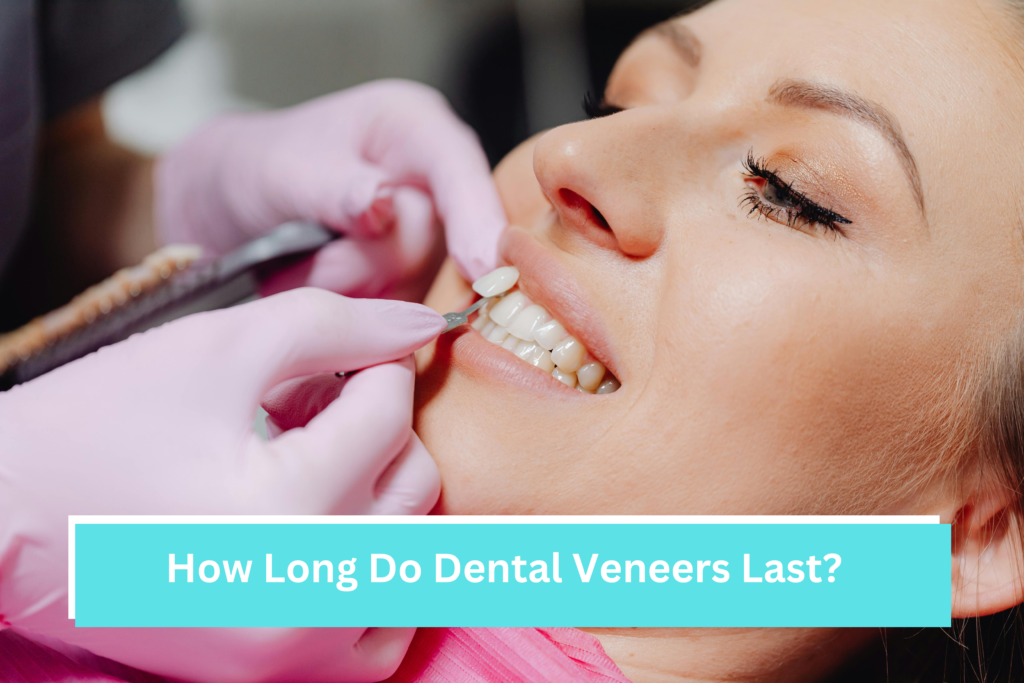
While veneers are long-lasting, they aren’t permanent. Their lifespan depends on material, maintenance, and lifestyle habits. Below you’ll find a complete breakdown of how long veneers typically last, factors that affect their longevity, and when they need replacement.
Table of Contents
ToggleAverage Veneer Lifespan
On average, dental veneers last 10–15 years, depending on the type of material used:
- Porcelain veneers: 10–15+ years
- Composite veneers: around 4–8 years
Most porcelain veneers are designed to last over a decade because of their strength and stain-resistant properties. Composite veneers, while cost-friendly, usually need earlier replacement due to wear and staining.
Lifespan by Material Type
Porcelain Veneers
Porcelain is the most durable veneer material available today. With excellent dental hygiene and professional placement, porcelain veneers generally last:
- 10 to 15 years or longer
- Some can last up to 20 years with proper care
Porcelain is harder, more resistant to staining, and mimics the natural translucency of real enamel.
Composite Veneers
Composite veneers are made from resin, which is softer and more porous. Although more affordable, composite veneers have a shorter lifespan:
- Typically 4 to 8 years
- Usually require replacements sooner than porcelain
Because composite is more prone to discoloration over time, people who frequently drink coffee, tea, wine, or smoke may notice staining sooner.
What Affects How Long Veneers Will Last?
1. Material Quality
Porcelain lasts significantly longer than composite due to its hardness and stain resistance.
2. Dentist Experience
Your dentist’s skill makes a huge difference. Proper bonding, contouring, and aesthetic placement greatly influence how long veneers stay attached and visually appealing.
3. Daily Oral Hygiene
Good oral habits protect both the veneer and the underlying tooth:
- brushing twice a day
- flossing daily
- using non-abrasive toothpaste
Even though veneers don’t decay, the tooth underneath can, so hygiene remains important.
4. Lifestyle Habits
Certain habits shorten veneer lifespan:
- grinding or clenching teeth (bruxism)
- biting fingernails
- chewing on pens or ice
- using teeth to open packages
These activities can crack or weaken veneers over time.
5. Food and Drinks
Composite veneers stain more easily, especially if you regularly consume:
- coffee
- tea
- wine
- berries
- cola
- cigarettes
Limiting stains helps veneers last longer and maintain their appearance.
When Should Veneers Be Replaced?
Veneers may need replacement if you notice:
- cracks or chips
- dark lines on the edges
- sensitivity to hot or cold
- gum irritation or recession
- the veneer becomes loose
- staining that doesn’t polish off
Ignoring these signs may result in further tooth damage, so professional evaluation is recommended.
Can Veneers Last a Lifetime?
Veneers are long-lasting, but they are not permanent. Most people eventually replace them once due to natural wear or aesthetic changes over time. However, with exceptional care, porcelain veneers may last much longer than average.
How to Make Veneers Last Longer
Follow these tips to extend your veneer lifespan:
- practice regular brushing & flossing
- avoid chewing hard objects
- wear a nightguard if you grind your teeth
- avoid abrasive toothpaste
- reduce staining foods and drinks
- maintain routine dental check-ups
With good dental care, it’s possible for your veneers to stay functional and attractive for many years.
Frequently Asked Questions
Do veneers stain?
Porcelain rarely stains, but composite veneers can discolor more easily, especially from coffee, smoking, and red wine.
Do veneers ruin your natural teeth?
Veneers don’t damage your teeth when placed correctly. However, some enamel removal is required, meaning veneers are generally an irreversible cosmetic procedure.
Can veneers fall off?
It’s uncommon, but poorly bonded veneers or trauma can loosen them. A skilled dentist and proper bonding reduce this risk.
How soon can veneers be replaced?
Whenever damage, staining, or detachment occurs. Some veneers last decades before needing replacement.
Final Thoughts
Dental veneers are a long-term investment in your smile. While porcelain veneers commonly last 10–15+ years, composites last 4–8 years. Proper care, professional placement, and healthy habits significantly influence how long they stay beautiful and functional.
If you maintain excellent oral hygiene and regular dental visits, veneers can remain a confident part of your smile for many years.