Table of Contents
ToggleDoes Interstitial Cystitis Cause Back Pain? Understanding the Connection
Interstitial cystitis (IC), also known as painful bladder syndrome, is a chronic condition that affects the bladder and surrounding pelvic region. People living with IC often experience persistent bladder pressure, urinary urgency, frequent urination, and pelvic pain. One question that comes up frequently among patients is: does interstitial cystitis cause back pain?
The short answer is yes. Interstitial cystitis can and often does cause lower back pain. However, this symptom is commonly misunderstood or overlooked, leading many patients to believe the pain is unrelated to their bladder condition. Understanding why IC causes back pain is essential for proper diagnosis, symptom management, and improved quality of life.
What Is Interstitial Cystitis?
Interstitial cystitis is a chronic inflammatory condition of the bladder that does not involve a bacterial infection. Unlike a typical urinary tract infection (UTI), IC symptoms do not resolve with antibiotics. The condition affects both men and women, though it is more common in women.
Common symptoms of interstitial cystitis include:
- Persistent bladder pain or pressure
- Frequent urination, including nighttime urination
- Urinary urgency without infection
- Pelvic discomfort or pain
- Pain during sexual activity
In many cases, these symptoms extend beyond the bladder, affecting nearby muscles, nerves, and tissues.
Does Interstitial Cystitis Cause Back Pain?
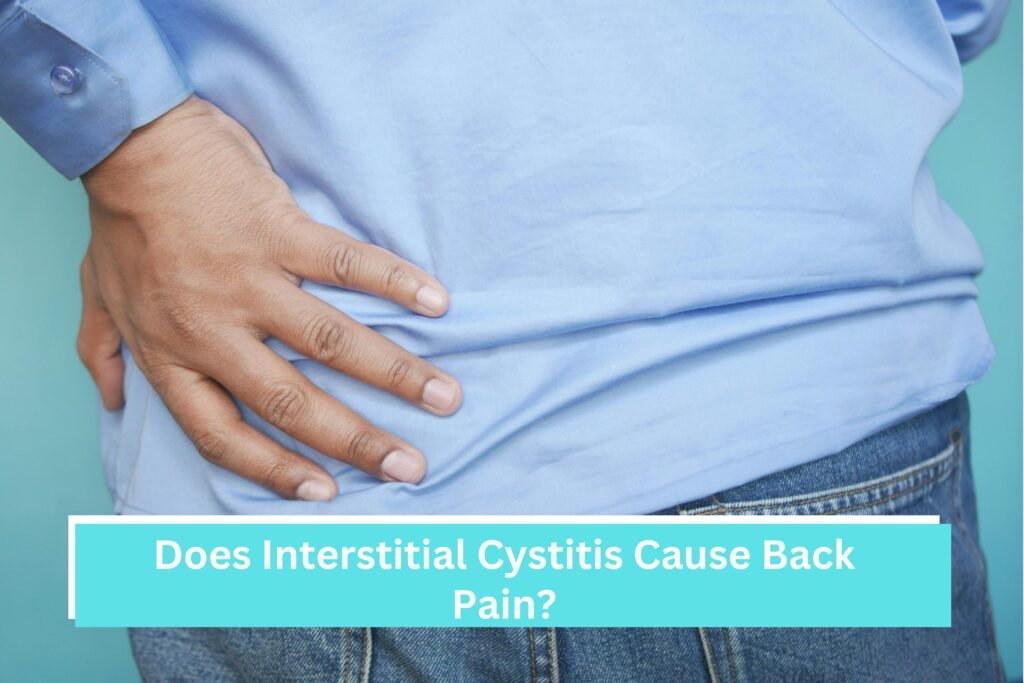
Yes, Interstitial Cystitis (IC) frequently causes lower back pain, often linked to pelvic floor dysfunction, chronic inflammation, and shared nerve pathways. This connection can lead to discomfort not only in the bladder but also in the lower back, abdomen, and pelvis, alongside urinary urgency and frequency.
Lower back pain is a common but often misunderstood symptom of IC. Many patients report aching, pressure, or sharp pain in the lower back that worsens during symptom flares. This pain may come and go or become chronic over time.
Why IC Causes Back Pain
There are several medical explanations for why interstitial cystitis can cause lower back pain. These mechanisms are interconnected and often occur together.
1. Pelvic Floor Dysfunction (PFD)
One of the most significant causes of back pain in IC patients is pelvic floor dysfunction.
Chronic bladder pain from IC can cause pelvic floor muscles to spasm and tighten, leading to pain that radiates to the lower back. Over time, these muscles become overworked and tense as they try to protect the painful bladder.
Tight or dysfunctional pelvic floor muscles can create:
- Trigger points
- Muscle fatigue
- Radiating pain into the hips, tailbone, and lower back
This is why pelvic floor dysfunction is frequently diagnosed in people with interstitial cystitis.
2. Shared Nerve Pathways
Another major reason IC causes back pain is related to nerve anatomy.
The bladder and lower back share nerve pathways, particularly through the sacral and lumbar nerves. When the bladder becomes inflamed or irritated, the nervous system may interpret that pain as coming from the lower back.
This phenomenon is known as visceral-somatic pain referral, where pain originating in an internal organ is felt in a different part of the body.
As a result, bladder inflammation in IC can trigger:
- Aching or burning lower back pain
- Sensitivity in the pelvic and lumbar regions
- Worsening pain during bladder flares
3. Referred Pain From Trigger Points
Referred pain is another important factor in IC-related back pain.
Pain felt in the lower back might actually originate from trigger points in the pelvic muscles, a common issue in IC patients. These trigger points are tight knots in the muscles that send pain signals to nearby or distant areas.
Because pelvic muscles attach to the lower spine and hips, tension in these muscles often presents as back pain rather than bladder pain.
How Common Is Back Pain in Interstitial Cystitis?
Lower back pain is a very common complaint for people with IC, affecting a significant percentage of sufferers. Many patients report that back pain is one of their earliest or most persistent symptoms, even before IC is formally diagnosed.
Key Points to Understand:
- Common Symptom: Back pain is frequently reported by IC patients.
- Not Just a Bladder Condition: While IC affects the bladder, its impact extends to the surrounding pelvic region.
- Whole-Body Effect: Muscles, nerves, and connective tissues are often involved.
Because IC symptoms overlap with other conditions, back pain is sometimes misattributed to musculoskeletal problems or kidney issues.
IC Back Pain vs. Kidney Pain: Key Differences
One reason IC-related back pain is confusing is that it can mimic kidney pain. However, there are some differences:
| IC-Related Back Pain | Kidney Pain |
| Dull or aching | Sharp or severe |
| Comes with bladder symptoms | Often accompanied by fever |
| Worsens during IC flares | Sudden onset |
| Improves with pelvic therapy | Requires medical treatment |
If you have IC and experience back pain, discussing it with your doctor is crucial to rule out other conditions like kidney infections, stones, or spinal issues.
How IC-Related Back Pain Is Diagnosed
There is no single test that confirms IC-related back pain. Diagnosis usually involves:
- Medical history review
- Symptom pattern analysis
- Pelvic floor examination
- Ruling out UTIs and kidney problems
- Imaging if necessary
Doctors often diagnose IC-related back pain based on symptom overlap and response to treatment.
Managing Back Pain Caused by Interstitial Cystitis
Although IC has no cure, back pain associated with the condition can often be managed effectively with a combination of treatments.
1. Pelvic Floor Physical Therapy
Pelvic floor therapy is one of the most effective treatments for IC-related back pain. It helps:
- Release muscle tension
- Reduce trigger points
- Improve posture and muscle coordination
Many patients experience significant relief after consistent therapy sessions.
2. Lifestyle Changes
Lifestyle adjustments can reduce both bladder and back pain symptoms:
- Avoid bladder irritants (caffeine, alcohol, spicy foods)
- Practice stress management techniques
- Maintain proper posture
- Use heat therapy for muscle relaxation
3. Pain Management Strategies
Pain relief options may include:
- Anti-inflammatory medications
- Nerve pain treatments
- Muscle relaxants (when appropriate)
- Gentle stretching exercises
Always consult a healthcare provider before starting new medications.
4. Managing Pelvic Floor Tension
Since pelvic floor tension plays a major role, techniques such as:
- Breathing exercises
- Relaxation training
- Gentle yoga
can help reduce muscle guarding and referred back pain.
When to See a Doctor
You should seek medical advice if:
- Back pain is severe or worsening
- Pain is accompanied by fever or nausea
- You experience new urinary symptoms
- Pain does not improve with conservative treatment
Early intervention helps prevent chronic pain patterns from developing.
Final Thoughts
So, does interstitial cystitis cause back pain?
Yes—lower back pain is a common and well-recognized symptom of IC, often caused by pelvic floor dysfunction, shared nerve pathways, and referred pain from pelvic muscles.
While IC is primarily a bladder condition, its effects extend far beyond the bladder itself. Understanding this connection allows patients to seek appropriate treatment and avoid unnecessary confusion or misdiagnosis.
With the right combination of medical guidance, physical therapy, and lifestyle changes, many people with interstitial cystitis can successfully manage both bladder symptoms and back pain—leading to improved comfort and quality of life.