
Table of Contents
ToggleUnderstanding Interstitial Cystitis
Interstitial cystitis is a condition characterized by chronic inflammation of the bladder wall. The exact cause of IC is not fully understood, but it is believed to involve bladder lining defects, nerve hypersensitivity, autoimmune responses, and pelvic floor dysfunction. The condition can affect anyone, but it is more common in women than men, often appearing between the ages of 30 and 50.
Symptoms of IC may include:
Chronic pelvic pain
Frequent urination, often in small amounts
Urgency to urinate
Pain during sexual activity
Discomfort in the lower abdomen and back
While IC is primarily associated with bladder discomfort, the condition can also manifest as back pain, which is sometimes overlooked by patients and even healthcare providers.
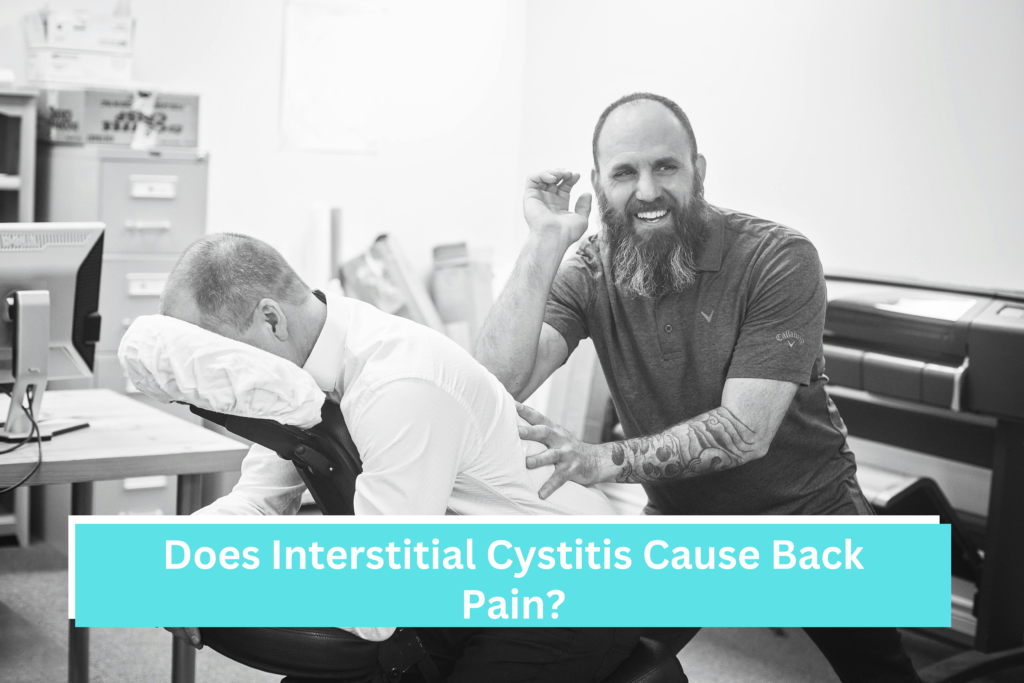
Does Interstitial Cystitis Cause Back Pain?
Yes, interstitial cystitis (IC) can cause back pain, specifically lower back pain, which is a common symptom for many people with the condition. This can be due to nerve pain, chronic inflammation in the pelvic region, or pelvic floor dysfunction, where tense pelvic floor muscles strain the muscles in the lower back.
Reasons for Back Pain with IC
There are several reasons why IC can lead to back discomfort:
1. Interconnected Nerves
The nerves that supply the bladder are closely connected with those in the lower back. This means that pain signals originating in the bladder or pelvic area can be referred to the lower back, causing discomfort or a persistent dull ache. This type of pain is often described as radiating from the pelvis into the lower back.
2. Chronic Inflammation
IC involves chronic inflammation of the bladder wall. This inflammation can create generalized discomfort in the pelvic region and lower back. People with IC often report that their pain fluctuates, sometimes worsening after certain triggers, such as bladder irritants or stress.
3. Pelvic Floor Dysfunction (PFD)
A common condition associated with IC is pelvic floor dysfunction. In PFD, the muscles of the pelvic floor become tense or weakened, which can lead to improper support for the pelvic organs. These tense muscles can also strain the lower back muscles, contributing to chronic back pain.
4. Trigger Points
Myofascial trigger points — tight, painful areas within the muscles — often develop in the pelvic and surrounding muscles in people with IC. These trigger points can create a “Charley horse” effect, causing sharp, cramping, or persistent pain in the lower back and pelvic region.
How to Identify IC-Related Back Pain
Back pain caused by IC often has distinct characteristics that differentiate it from other types of back pain:
It is usually located in the lower back and pelvic area.
Pain may fluctuate with bladder symptoms, worsening with urgency or frequency.
It may feel deep and dull, sometimes accompanied by a burning sensation in the pelvis or bladder.
Pain can intensify after sitting for long periods or during activities that increase pelvic pressure.
It’s important to note that not all lower back pain in people with IC is caused by the condition itself. Other issues, such as kidney infections, spinal problems, or muscular strain, can coexist, making it crucial to consult a healthcare provider for accurate diagnosis.
What to Do if You Have Back Pain from IC
Managing back pain caused by interstitial cystitis involves addressing both bladder symptoms and musculoskeletal factors. Here are some recommended strategies:
1. Consult a Doctor
If you experience back pain, it’s important to talk to a healthcare provider to rule out other causes, such as a kidney infection. A doctor may perform urine tests, imaging studies, or refer you to a urologist to confirm an IC diagnosis and assess the severity of your symptoms.
2. Consider Physical Therapy
Physical therapy can be highly effective in managing IC symptoms, including back pain. Techniques may include:
Myofascial release: Helps release tension in the pelvic floor and surrounding muscles.
Nerve tension release: Targets nerve-related discomfort in the pelvic region and lower back.
Core and pelvic floor exercises: Strengthening these muscles can improve support for the bladder and reduce strain on the lower back.
3. Lifestyle Adjustments
Certain lifestyle changes can help minimize IC flare-ups and related back pain:
Dietary modifications: Avoid foods and beverages that irritate the bladder, such as caffeine, alcohol, acidic foods, and artificial sweeteners.
Stress management: Stress can exacerbate IC symptoms and contribute to muscle tension. Practices like yoga, meditation, or deep breathing can help.
Bladder training: Gradually increasing the time between urinations can help reduce urgency and discomfort.
4. Pain Management
Over-the-counter pain medications may help relieve mild back pain. In some cases, doctors may prescribe medications that target nerve pain or inflammation specifically related to IC. Hot baths, heating pads, or gentle stretching can also provide temporary relief.
5. Support Groups and Counseling
Living with IC can be challenging, especially when back pain adds to daily discomfort. Support groups, counseling, or talking with other IC patients can help manage emotional stress and provide practical coping strategies.
When to Seek Immediate Medical Attention
While most back pain from IC is chronic and manageable, certain situations require urgent medical attention:
Sudden severe back pain accompanied by fever, nausea, or vomiting (may indicate a kidney infection)
Severe pelvic pain or inability to urinate
Unexplained blood in the urine
Early intervention can prevent complications and improve long-term outcomes for people with IC.
Conclusion
Back pain is a common symptom for people with interstitial cystitis and can be caused by interconnected nerves, chronic inflammation, pelvic floor dysfunction, or trigger points in the surrounding muscles. Recognizing IC-related back pain is crucial for effective management and distinguishing it from other causes of lower back discomfort.
Treatment usually involves a combination of medical care, physical therapy, lifestyle adjustments, and pain management strategies. If you experience persistent lower back pain alongside IC symptoms, consult a healthcare provider to rule out other conditions and develop a comprehensive treatment plan.
By understanding the connection between interstitial cystitis and back pain, patients can take proactive steps to manage discomfort, reduce flare-ups, and improve overall quality of life.