
The short answer is yes — and the connection is stronger than many think.
Table of Contents
ToggleUnderstanding the Temporomandibular Joint (TMJ)
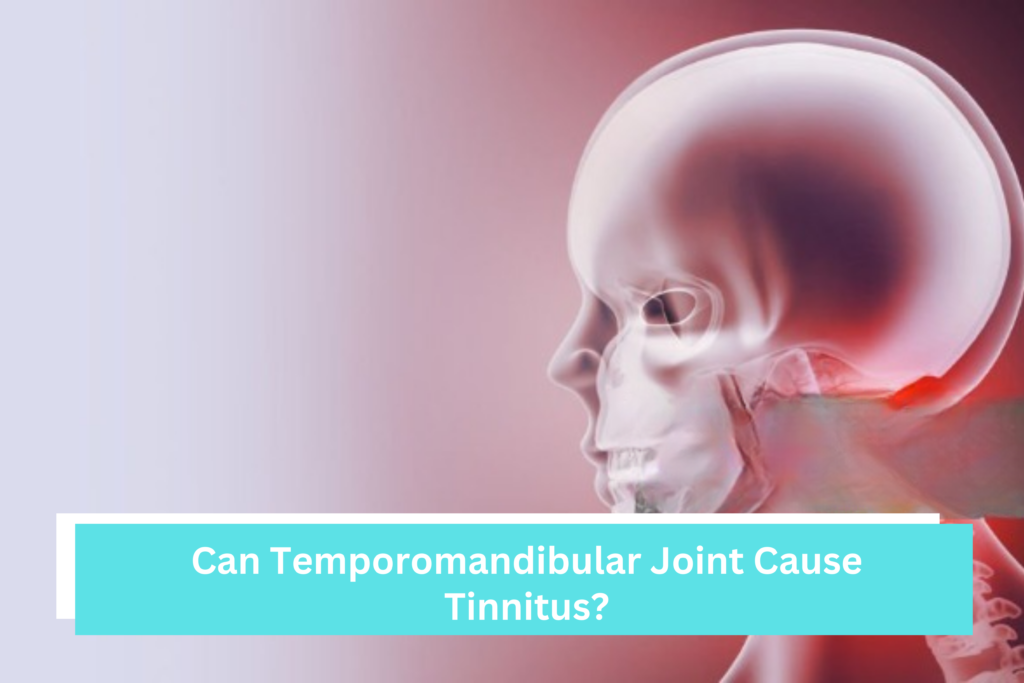
The temporomandibular joint (TMJ) connects your jawbone to your skull. It sits just in front of your ears on both sides of your head and allows you to talk, chew, yawn, and move your jaw smoothly.
When this joint becomes inflamed, misaligned, strained, or dysfunctional, it leads to a condition known as Temporomandibular Joint Disorder (TMD). Symptoms often include:
- Jaw pain or tenderness
- Clicking or popping sounds when opening the mouth
- Difficulty chewing
- Headaches
- Neck stiffness
- Ear discomfort
But surprisingly, ear-related symptoms like tinnitus are also very common.
Can Temporomandibular Joint Cause Tinnitus?
YYes, temporomandibular joint (TMJ) disorders can cause tinnitus (ringing, buzzing, or hissing in the ears) due to the close anatomical proximity and shared nerves/muscles between the jaw joint and the ear. TMJ-related tinnitus often manifests as ear pain, a feeling of fullness, or sounds that change with jaw movement, such as chewing or grinding.
This happens because the jaw joint is not isolated — it is closely connected to ear structures through muscles, ligaments, and nerves.
Key Connections Between TMJ and Tinnitus
Anatomical Proximity
Anatomical Proximity: The TMJ is located directly in front of the ear, allowing jaw inflammation or tension to directly affect ear structures.
Even slight swelling or joint misalignment can create pressure around the ear canal or middle ear structures, triggering abnormal auditory sensations.
Muscular and Nerve Link
Muscular/Nerve Link: Nerves and ligaments from the jaw connect directly to muscles in the middle ear. Tight or inflamed jaw muscles from grinding/clenching can cause these nerves to misfire, sending wrong signals to the auditory system.
The trigeminal nerve, which controls jaw movement, also has connections influencing auditory pathways. When jaw muscles are chronically tense, especially in people who grind their teeth (bruxism), nerve signaling can become distorted — leading to ringing sounds.
Common Symptoms
Common Symptoms: People with TMJ disorders are three times more likely to experience ear ringing.
Many patients initially visit ENT specialists for tinnitus, only to later discover that the root cause is jaw dysfunction.
Treatment Effectiveness
Treatment Effectiveness: Studies show that up to 69% of patients reported that their tinnitus improved or went away completely after receiving treatment for their TMJ disorder.
This makes TMJ-related tinnitus one of the more treatable forms of tinnitus when diagnosed correctly.
Signs Your Tinnitus Is Linked to TMJ
It can be difficult to determine the exact cause of tinnitus, but certain signs strongly suggest a jaw-related origin.
- Tinnitus changes or increases when you chew, clench, or open your mouth wide.
- You experience jaw pain, clicking/popping sounds, or locking.
- You have headaches, neck pain, or vertigo along with the tinnitus.
If your ringing sound becomes louder when moving your jaw or pressing on the side of your face, this is a strong indicator of TMJ involvement.
Why TMJ Disorders Trigger Ear Symptoms
The middle ear contains tiny muscles that regulate sound vibration. One of these muscles shares nerve pathways with jaw muscles. When jaw tension increases, it can overstimulate this ear muscle, creating phantom noise signals.
Additionally:
- Jaw inflammation can create pressure near the Eustachian tube.
- Muscle spasms can alter auditory nerve input.
- Chronic clenching increases facial tension that affects ear perception.
This explains why some patients report ear fullness, pressure, or muffled hearing even when ear exams appear normal.
Who Is at Higher Risk?
Certain individuals are more prone to TMJ-related tinnitus:
- People who grind their teeth at night
- Individuals under chronic stress
- Patients with misaligned bites
- Those with past jaw trauma
- People who frequently chew gum
- Individuals with poor posture (especially forward head posture)
Stress is a major contributor because it increases unconscious clenching and muscle tightness.
Diagnosis: How Doctors Identify TMJ-Related Tinnitus
If you suspect your tinnitus may be jaw-related, a comprehensive evaluation is essential.
If you suspect your tinnitus is related to TMJ, it is recommended to see a dentist or a specialist to evaluate your jaw function.
Diagnosis may include:
- Jaw movement examination
- Bite analysis
- Imaging such as X-rays or MRI
- Muscle tenderness assessment
- Evaluation of grinding patterns
ENT specialists may rule out ear pathology before referring patients to dental professionals.
Treatment Options for TMJ-Related Tinnitus
The good news is that TMJ-related tinnitus often improves with proper treatment. Treatment plans may include:
Occlusal Splints (Night Guards)
Custom mouthguards reduce grinding and relieve joint pressure.
Physical Therapy
Jaw exercises and posture correction reduce muscular tension.
Stress Management
Relaxation techniques, meditation, and behavioral therapy can reduce clenching.
Medication
Anti-inflammatory drugs or muscle relaxants may be prescribed.
Bite Correction
Orthodontic treatment may be recommended in severe misalignment cases.
How Long Does It Take to Improve?
Improvement timelines vary. Some patients notice relief within weeks of starting treatment, while others require several months of therapy.
Because up to 69% of patients report improvement after TMJ treatment, early diagnosis greatly increases success rates.
TMJ and Tinnitus in Abu Dhabi
In Abu Dhabi, awareness of TMJ-related tinnitus is growing. Many dental and maxillofacial clinics now work alongside ENT specialists to provide multidisciplinary care.
If you live in Abu Dhabi and are experiencing persistent tinnitus with jaw discomfort, seeking evaluation from a qualified TMJ specialist can help identify the root cause rather than just managing the symptoms.
When to Seek Immediate Medical Attention
Although TMJ is a common cause, tinnitus can also result from serious conditions. Seek urgent medical care if tinnitus is accompanied by:
- Sudden hearing loss
- Severe dizziness
- Facial numbness
- Intense one-sided pain
Final Thoughts
So, can temporomandibular joint cause tinnitus? Absolutely.
Because of the close relationship between jaw muscles, nerves, and ear structures, TMJ disorders can directly trigger ringing, buzzing, or pressure sensations in the ears.
The encouraging part is that TMJ-related tinnitus is often treatable. If your ear symptoms change with jaw movement or are accompanied by jaw pain, clicking, or headaches, addressing the underlying joint issue may significantly reduce — or even eliminate — your tinnitus.
If you are experiencing these symptoms in Abu Dhabi, consult a qualified dentist or TMJ specialist to receive a comprehensive evaluation and personalized treatment plan.