
Dental implants are widely considered one of the safest and most effective solutions for replacing missing teeth. With high success rates and long-term durability, millions of people worldwide rely on implants to restore function and confidence. However, a serious question occasionally arises: can an untreated dental implant kill you?
While the short answer is yes, it is possible, the reality is more nuanced. Death from a dental implant is extremely rare, but an untreated, infected implant can lead to life-threatening complications if ignored for a long time. Understanding the risks, warning signs, and preventive measures is essential for protecting your health.
Table of Contents
ToggleUnderstanding Dental Implant Infections
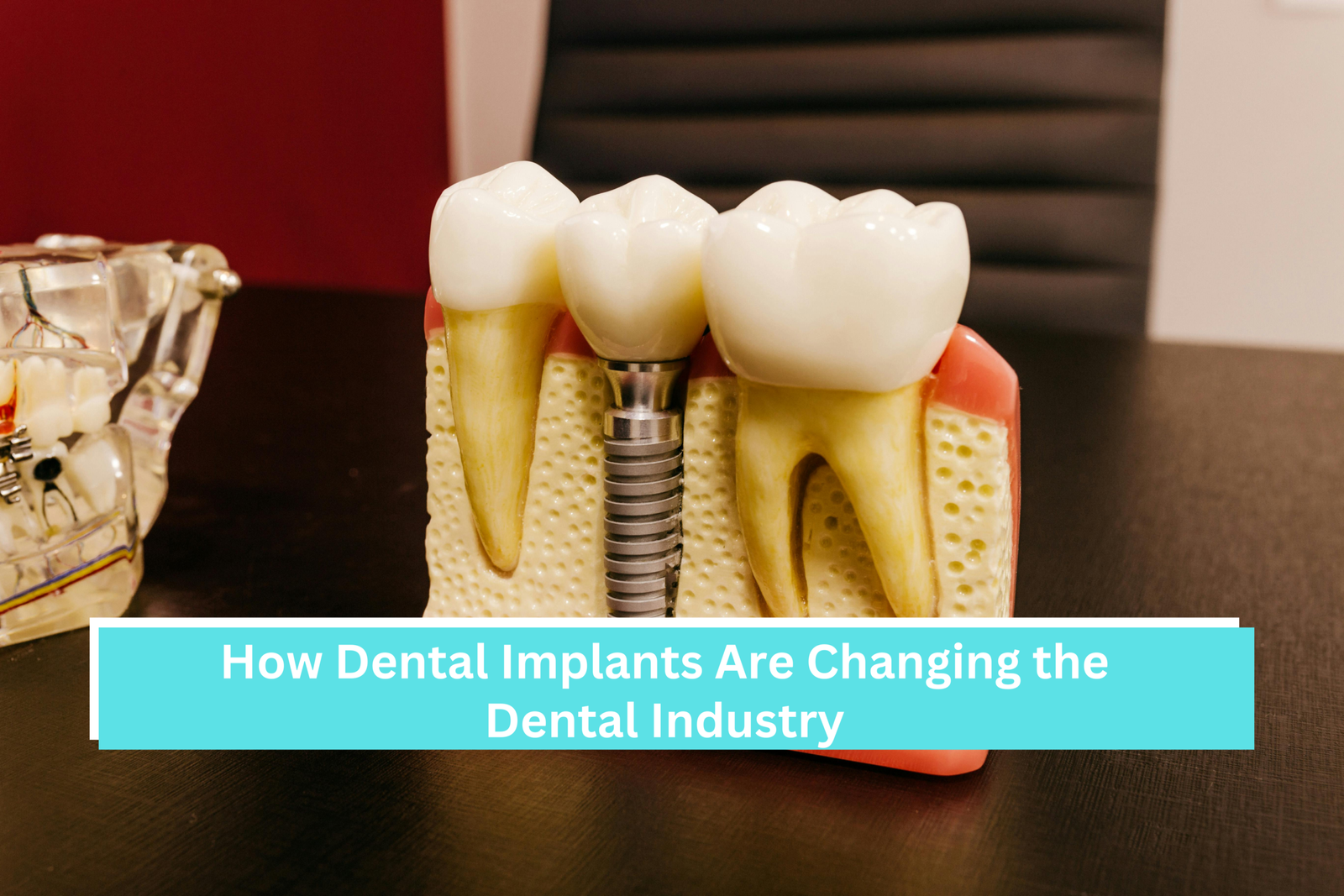
A dental implant consists of a titanium post placed into the jawbone, topped with a crown that mimics a natural tooth. When properly placed and maintained, implants integrate with the bone through a process called osseointegration.
Problems arise when bacteria accumulate around the implant due to poor oral hygiene, smoking, medical conditions (such as diabetes), or missed dental follow-ups. This can lead to peri-implantitis, a serious inflammatory condition affecting the tissues and bone around the implant.
Yes, an untreated, infected dental implant can lead to life-threatening complications, although this is rare, with infections occurring in only 5–10% of cases.
If an infected implant is ignored, the infection (peri-implantitis) can progress from the soft tissue to the bone, potentially leading to sepsis, or spread to other parts of the body.
This progression is what makes untreated implant infections dangerous—not the implant itself, but the unchecked spread of infection.
How an Untreated Implant Can Cause Fatal Complications
In most cases, implant infections are manageable when treated early. However, when left untreated for months or even years, the infection can become severe and systemic.
1. Sepsis / Septicemia
Sepsis/Septicemia: Infections from a dental implant can enter the bloodstream, causing a severe, potentially fatal, systemic infection.
Sepsis occurs when the body’s immune response to infection becomes overwhelming, leading to organ failure. Oral infections are a known but often underestimated cause of sepsis. Bacteria from the jaw can enter the bloodstream, especially if the infection reaches deep bone or surrounding tissues.
Without emergency medical treatment, sepsis can be fatal.
2. Spread to Vital Organs
Systemic Illness: In extreme, untreated cases, infections around the implant can spread to the heart or other organs.
Bacteria from oral infections can travel through blood vessels and affect distant organs. This can increase the risk of:
-
Endocarditis (infection of the heart lining)
-
Lung infections
-
Brain infections in rare cases
Patients with weakened immune systems are at particularly high risk.
3. Severe Local Infection and Tissue Damage
Severe Infection Spread: The infection can lead to extensive bone loss, causing the implant to fail and creating a severe abscess or cellulitis, which can spread to the neck or brain.
When peri-implantitis destroys jawbone, it creates deep pockets of infection. This can result in:
-
Facial cellulitis (dangerous swelling of soft tissues)
-
Deep neck infections that obstruct breathing
-
Spread toward the brain via sinus or vascular pathways
These complications can be life-threatening if emergency treatment is delayed.
Warning Signs of an Infected Dental Implant
Early detection is the key to preventing serious outcomes. Many patients ignore early symptoms, assuming discomfort is normal after implant placement.
It is crucial to seek immediate dental care if you experience any of the following symptoms:
-
Persistent pain or throbbing in the jaw
-
Swelling, redness, or pus at the implant site
-
A loose or mobile implant
-
Fever and malaise
-
A persistent, bad, or foul taste in the mouth
These signs indicate infection, not normal healing. A healthy implant should feel stable, pain-free, and odorless after recovery.
Why People Delay Treatment (and Why That’s Dangerous)
Common reasons patients delay care include:
-
Fear of additional dental costs
-
Assuming antibiotics alone will fix the issue
-
Lack of pain in early stages
-
Busy schedules or travel
-
Underestimating oral infections
Unfortunately, implant infections do not heal on their own. Antibiotics may temporarily reduce symptoms, but without professional treatment, bacteria remain and continue damaging bone and tissue.
If you suspect your implant is infected, contact a dentist immediately rather than waiting for it to heal on its own, as infections do not resolve without intervention.
Prevention and Treatment of Dental Implant Infections
Treatment Options
Treatment: Early intervention with antibiotics, professional cleaning, or, in severe cases, removal of the implant can prevent fatal outcomes.
Depending on the severity, treatment may include:
-
Deep professional cleaning around the implant
-
Antibacterial mouth rinses
-
Local or systemic antibiotics
-
Laser therapy
-
Surgical removal of infected tissue
-
Implant removal in advanced cases
Early-stage peri-implantitis is often reversible. Advanced cases are more complex and costly to treat.
Prevention Strategies
Prevention: Maintain excellent oral hygiene, attend regular check-ups, and avoid smoking, which increases the risk of infection and failure.
Key preventive measures include:
-
Brushing twice daily with proper technique
-
Using interdental brushes or floss designed for implants
-
Regular dental check-ups and X-rays
-
Professional cleanings every 3–6 months
-
Managing chronic conditions like diabetes
-
Avoiding smoking and excessive alcohol use
Prevention is far simpler—and safer—than treating advanced infection.
Are Dental Implants Safe Overall?
Yes. Dental implants have a success rate of over 90–95% when properly placed and maintained. Fatal outcomes are extremely rare and almost always linked to neglect, untreated infection, or serious underlying medical conditions.
The takeaway is not fear—but awareness.
Dental Implant Care in Abu Dhabi
In cities like Abu Dhabi, access to advanced dental care significantly reduces the risk of complications. Modern clinics use digital imaging, sterile surgical protocols, and structured follow-up programs to monitor implant health.
If you live in Abu Dhabi and have a dental implant, regular dental visits and early reporting of symptoms can prevent even the most serious outcomes. Prompt care ensures minor issues never become major health threats.
Final Thoughts
So, can an untreated dental implant kill you?
In extremely rare cases, yes—but only when a serious infection is ignored for too long. The real danger lies not in the implant itself, but in delayed treatment and poor oral care.
By recognizing warning signs early, seeking timely dental care, and maintaining proper hygiene, dental implants remain one of the safest and most reliable solutions in modern dentistry.
If something feels wrong, don’t wait. Your mouth is not separate from your body—oral infections can affect your overall health.