
Temporomandibular joint treatment, commonly referred to as TMJ treatment, focuses on relieving pain, restoring jaw function, and improving overall quality of life for patients suffering from jaw joint disorders. The temporomandibular joint (TMJ) connects your lower jaw (mandible) to your skull and plays a vital role in speaking, chewing, yawning, and facial movements. When this joint becomes inflamed, misaligned, or dysfunctional, it leads to a condition known as temporomandibular joint disorder (TMD).
If you are experiencing jaw discomfort in Abu Dhabi, understanding TMJ treatment options can help you seek timely and effective care.
Table of Contents
ToggleUnderstanding the Temporomandibular Joint
The TMJ is one of the most complex joints in the body. It functions like a sliding hinge, allowing both rotational and forward-backward movements. Problems can arise when the joint structure, surrounding muscles, or cartilage become damaged due to injury, stress, arthritis, or teeth grinding.
TMJ (temporomandibular joint) disorder treatment focuses on reducing pain and improving jaw function through a combination of self-care, medication, dental devices, and, for severe cases, surgery. Effective remedies include eating soft foods, applying heat/ice, using customized splints/mouthguards, and performing exercises to strengthen and relax jaw muscles.
Common Symptoms of TMJ
Recognizing symptoms early is crucial for preventing complications. Some of the most common signs of TMJ disorder include:
-
Jaw pain or tenderness
-
Clicking, popping, or grating sounds during movement
-
Locking of the jaw, making it difficult to open or close the mouth
-
Earaches, headaches, and toothaches
In some cases, patients may also experience facial pain, neck discomfort, or difficulty chewing. If these symptoms persist, professional evaluation is recommended.
Causes and Risk Factors
TMJ issues can stem from a combination of factors, including jaw injury, arthritis, or chronic teeth grinding (bruxism). Stress is also a major contributing factor to jaw clenching and tension.
Other risk factors include:
-
Poor posture (especially neck alignment)
-
Misaligned bite (malocclusion)
-
Connective tissue diseases
-
Hormonal factors (more common in women)
In cities like Abu Dhabi, high-stress lifestyles and work pressure may also contribute to increased jaw tension and clenching habits.
Key Treatment Options for TMJ Disorder
TMJ treatment is usually approached step-by-step, starting with conservative options before moving to more advanced procedures.
1. Conservative Care (First-Line Treatment)
Most TMJ cases improve with simple, non-invasive measures.
Conservative Care includes:
-
Soft food diet
-
Avoiding wide yawning or chewing gum
-
Applying ice packs for acute pain
-
Using moist heat for chronic pain
Patients are advised to reduce excessive jaw movement and avoid habits that strain the joint. In many cases, lifestyle modifications alone significantly reduce symptoms.
2. Dental Devices
Dental appliances are a common and effective treatment method.
Custom-made night guards or splints are frequently used to:
-
Reduce bruxism (teeth grinding)
-
Realign the bite
-
Reduce muscle strain
These devices are usually worn at night and help prevent further joint damage. In Abu Dhabi, many specialized dental clinics offer custom-fitted TMJ splints tailored to the patient’s bite alignment.
3. Medications
Medication may be prescribed depending on the severity of symptoms.
Common options include:
-
Nonsteroidal anti-inflammatory drugs (NSAIDs) for pain and inflammation
-
Muscle relaxants to stop spasms
-
Antidepressants (low dose) to manage chronic pain
Medication is typically used short-term to manage flare-ups while other treatments address the root cause.
4. Physical Therapy
Physical therapy plays a crucial role in strengthening and relaxing jaw muscles.
It may include:
-
Jaw exercises
-
Stretching techniques
-
Massage therapy
-
Therapeutic methods like TENS (transcutaneous electrical nerve stimulation)
TENS therapy uses mild electrical currents to reduce muscle tension and pain. Professional guidance ensures exercises are done safely and effectively.
5. Injections
For patients who do not respond to conservative treatment, injections may be considered.
-
Botox (botulinum toxin) can relax overactive jaw muscles
-
Corticosteroid injections may reduce joint inflammation
These treatments are minimally invasive and can provide relief in moderate to severe cases.
6. Surgical Interventions
Surgery is reserved for severe, non-responsive cases.
Procedures may include:
-
Arthrocentesis – a minimally invasive procedure to remove excess fluid from the joint
-
Arthroscopy – small camera-assisted surgery to repair joint damage
-
Open-joint surgery – for structural abnormalities
Surgical intervention is considered only after all conservative treatments have failed.
Exercises for TMJ Relief
Jaw exercises can significantly reduce discomfort when performed correctly.
Relaxed Jaw Position
Place your tongue on the roof of the mouth, allowing your teeth to come apart, and breathe slowly. This helps reduce jaw tension.
Strengthening and Stretching
Controlled, gentle movements to increase range of motion, often guided by a professional, can improve flexibility and reduce stiffness.
Consistency is key. Patients should follow professional instructions to avoid worsening symptoms.
When to See a Specialist
If jaw pain persists despite home care, professional evaluation is essential. For persistent pain, consultation with an oral and maxillofacial surgeon or a dentist specializing in orofacial pain is recommended.
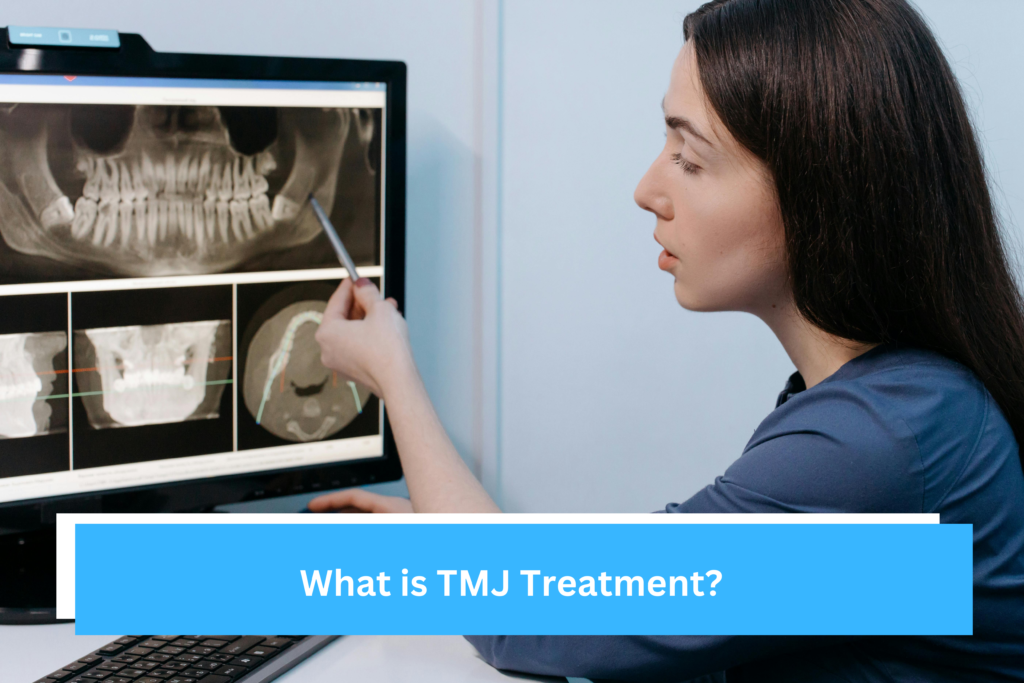
In Abu Dhabi, many advanced dental centers provide comprehensive TMJ evaluation using digital imaging and bite analysis to diagnose the underlying cause accurately.
Why Early TMJ Treatment Matters
Ignoring TMJ symptoms can lead to:
-
Chronic headaches
-
Difficulty eating
-
Sleep disturbances
-
Worsening joint damage
Early intervention not only relieves discomfort but also prevents long-term complications.
TMJ Treatment in Abu Dhabi
Residents of Abu Dhabi have access to modern dental technologies and experienced specialists who offer personalized TMJ treatment plans. From conservative therapy to advanced surgical procedures, treatment is tailored based on severity and underlying cause.
If you experience persistent jaw pain, clicking sounds, or difficulty opening your mouth, seeking expert TMJ treatment in Abu Dhabi can help restore comfort and function.
Final Thoughts
TMJ treatment is a structured, multi-step approach aimed at reducing pain, improving jaw mobility, and restoring daily comfort. Most cases respond well to conservative methods such as lifestyle changes, splints, medication, and physical therapy. Advanced options like injections or surgery are available for more complex conditions.
Understanding what TMJ treatment involves empowers patients to seek timely care and make informed decisions. If symptoms persist, professional consultation ensures proper diagnosis and long-term relief.