
Many people unknowingly reduce the benefits of acupuncture by engaging in habits that interfere with the body’s energy flow, circulation, and recovery process. Understanding what to avoid before and after acupuncture can help you get the most out of every session and support long-term healing.
This guide explains exactly what to avoid, why it matters, and how to prepare your body for optimal results.
Table of Contents
ToggleWhy Preparation and Aftercare Matter in Acupuncture
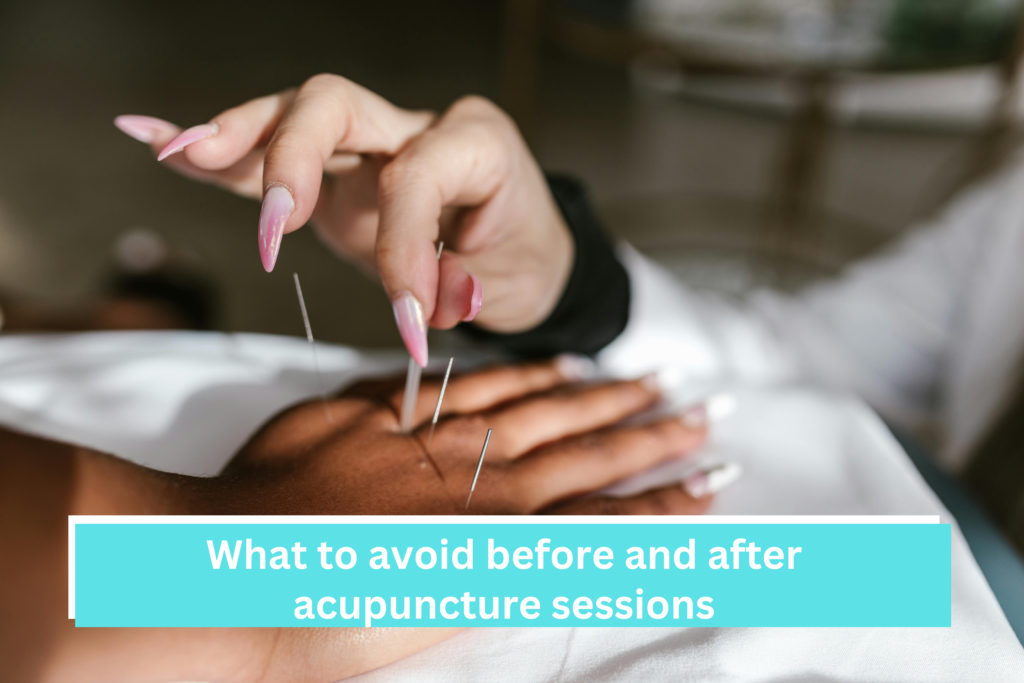
Acupuncture works by stimulating specific points along the body’s meridians to improve the flow of energy (Qi), blood circulation, and nervous system regulation. When the body is relaxed, nourished, and well-hydrated, it responds more effectively to treatment.
Before and after acupuncture, avoid alcohol, caffeine, heavy meals, and strenuous exercise to optimize results and recovery, as these substances and activities can interfere with the body’s energy flow and healing process. At the same time, keeping stress low, staying hydrated, and eating light, healthy foods helps your body integrate the treatment’s effects.
What to Avoid Before Acupuncture
Preparing properly before your session allows your body to respond more deeply and comfortably to the treatment.
1. Don’t Go Hungry or Overly Full
One of the most common mistakes people make is arriving for acupuncture either fasting or overly full.
- Avoid going hungry, as low blood sugar can cause dizziness or discomfort.
- Avoid heavy meals, which can make it difficult to lie comfortably and may interfere with circulation.
Best practice: Eat a light, balanced snack or meal 1–2 hours before your session. This keeps your energy stable without overloading your digestive system.
2. Limit Caffeine and Alcohol
Caffeine and alcohol both stimulate the nervous system and can blunt your body’s sensitivity to acupuncture.
- Avoid caffeine (coffee, energy drinks, strong tea) for a few hours before treatment.
- Avoid alcohol, as it dehydrates the body and disrupts energy balance.
Limiting caffeine & alcohol before acupuncture helps prevent artificial stimulation that can interfere with relaxation, energy flow, and accurate point response.
3. Avoid Intense Exercise
Hard workouts immediately before acupuncture can leave your muscles fatigued and your nervous system overstimulated.
- Avoid weightlifting, HIIT, or long endurance workouts.
- Intense exercise may reduce the calming and balancing effects of acupuncture.
Instead, keep physically strenuous activity to a minimum. Gentle stretching or walking earlier in the day is usually fine.
4. Avoid Stress and Rushing
Arriving stressed, rushed, or emotionally overwhelmed can limit the effectiveness of your session.
- Avoid scheduling acupuncture right after high-pressure meetings or stressful events.
- Give yourself time to arrive calmly and breathe.
A relaxed state allows your nervous system to shift into healing mode more easily.
5. Don’t Forget to Inform Your Practitioner
Always communicate openly with your acupuncturist.
Inform your practitioner if you:
- Are taking medications
- Have a pacemaker or medical device
- Are pregnant or trying to conceive
- Have recently been ill or injured
This information ensures your treatment is safe, personalized, and effective.
What to Avoid After Acupuncture (First 12–24 Hours)
The hours following your session are just as important as the treatment itself. Your body continues processing and integrating the effects of acupuncture during this time.
1. Avoid Stimulants and Alcohol
After acupuncture, your nervous system is typically in a deeply relaxed state.
- Avoid caffeine, which can undo the calming effects of the session.
- Avoid alcohol, which can strain the liver and interfere with recovery.
Avoid stimulants & alcohol for at least 12–24 hours to allow your body to maintain balance and healing momentum.
2. Skip Strenuous Workouts
Although you may feel energized after acupuncture, intense exercise is not recommended right away.
- Skip heavy lifting, intense cardio, or competitive sports.
- Overexertion can disrupt the treatment’s effects.
Give your body time to relax and integrate the treatment. Gentle movement like walking or light stretching is fine and can even enhance circulation.
3. Steer Clear of Extreme Temperatures
Acupuncture opens channels and improves circulation, making your body more sensitive to temperature extremes.
Avoid:
- Saunas
- Ice baths
- Very hot baths or hot tubs
Steering clear of extreme temperatures helps maintain internal balance and prevents overstimulation.
4. Don’t Over-Stimulate Your Mind
Acupuncture often shifts the nervous system into a parasympathetic (rest-and-digest) state.
- Avoid multitasking
- Avoid high-stress conversations or intense screen time
- Avoid loud or chaotic environments
Keeping stress low and allowing for quiet time supports emotional regulation and deeper healing.
5. Ease Up on Heavy or Processed Foods
After acupuncture, digestion and detoxification may be more active.
- Avoid greasy, processed, or overly heavy meals.
- Avoid excessive sugar and artificial ingredients.
Instead, stick to light, healthy meals that are easy to digest. This supports toxin release and prevents digestive strain.
6. Avoid Overusing the Treated Area
If acupuncture targeted a specific injury or pain point:
- Avoid heavy loading or repetitive strain on that area.
- For example, if you had needling for a sprain, avoid intense use of that joint or muscle.
Giving the treated area rest allows inflammation to settle and healing to continue.
What You Should Do Instead
While avoiding certain habits is important, supportive behaviors enhance the benefits of acupuncture.
Helpful Practices After Acupuncture:
- Drink plenty of water
- Get adequate rest or sleep
- Eat nourishing, whole foods
- Practice gentle breathing or meditation
- Pay attention to how your body feels
These actions help your body integrate the treatment’s effects more fully.
Common Side Effects to Be Aware Of
Some mild reactions after acupuncture are normal and temporary, including:
- Light fatigue
- Mild soreness
- Emotional release
- Increased urination or bowel movements
These signs often indicate that your body is responding and rebalancing.
Final Thoughts: Maximizing Your Acupuncture Results
Acupuncture is most effective when supported by mindful habits before and after each session. Avoiding alcohol, caffeine, heavy meals, and strenuous exercise allows your body to stay receptive and balanced, while reducing stress, staying hydrated, and choosing light, healthy foods helps extend the treatment’s benefits.
By following these simple guidelines, you not only enhance the immediate effects of acupuncture but also support long-term wellness, faster recovery, and deeper healing.
If you’re investing time and care into acupuncture, make sure your lifestyle choices are working with the treatment—not against it.