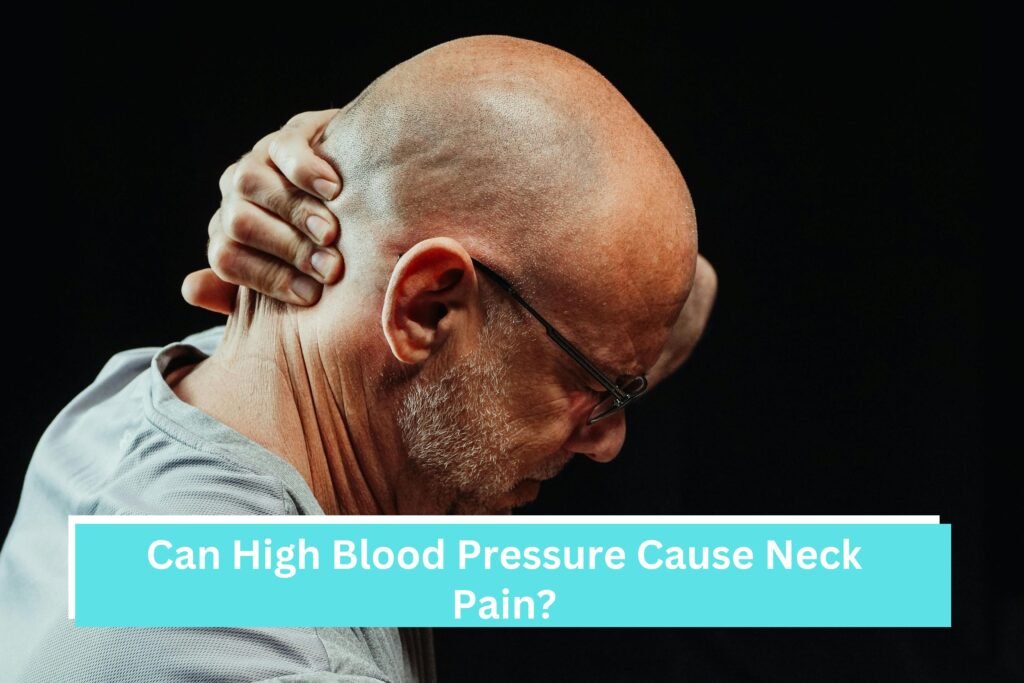
The short answer is yes, high blood pressure can cause neck pain in certain situations. It may occur due to muscle tension, reduced blood flow, stress, medication side effects, or in severe cases such as malignant hypertension. In some instances, neck pain can also signal serious conditions like a heart attack or stroke, requiring immediate medical attention.
This article explains the connection between high blood pressure and neck pain, common causes, warning signs, and what you should do to protect your health.
Table of Contents
ToggleUnderstanding High Blood Pressure (Hypertension)
High blood pressure occurs when the force of blood pushing against artery walls is consistently too high. Over time, this excessive pressure damages blood vessels, nerves, and organs such as the heart, brain, and kidneys.
Hypertension is usually defined as:
- Normal: Below 120/80 mmHg
- Elevated: 120–129/<80 mmHg
- High (Stage 1): 130–139/80–89 mmHg
- High (Stage 2): 140/90 mmHg or higher
While neck pain is not considered a classic symptom of hypertension, it can develop indirectly due to the physical and neurological effects of elevated blood pressure.
Can High Blood Pressure Cause Neck Pain?
Yes, high blood pressure (hypertension) can cause neck pain, usually through muscle tension, reduced blood flow, stress, or as a symptom of severe forms like malignant hypertension, which involves raised intracranial pressure. However, neck pain can also be a warning sign of a heart attack or stroke, so sudden or severe neck pain accompanied by other symptoms requires immediate medical attention.
The relationship is often indirect, but it is medically significant.
Common Links Between High Blood Pressure and Neck Pain
1. Muscle Tension
One of the most common reasons hypertension may cause neck pain is muscle tension. High blood pressure places constant stress on the body, activating the nervous system and causing muscles—especially in the neck and shoulders—to tighten.
Muscle tension related to high BP can lead to:
- Neck stiffness
- Soreness at the base of the skull
- Limited range of motion
- Shoulder and upper back discomfort
Over time, chronic tension can worsen pain and trigger tension headaches.
2. Reduced Blood Flow
Hypertension can cause arteries to narrow and stiffen, limiting blood flow to muscles and tissues. When oxygen delivery to neck muscles is reduced, it may result in:
- Aching or throbbing neck pain
- Muscle fatigue
- Delayed muscle recovery
Reduced blood flow is more likely in individuals with long-standing or poorly controlled high blood pressure.
3. Stress and Anxiety
Living with high blood pressure can be stressful, especially if someone is worried about heart disease or stroke. Stress itself is a major contributor to neck pain.
The stress of hypertension often manifests physically as:
- Tight neck muscles
- Jaw clenching
- Shoulder pain
- Tension headaches
Stress can also raise blood pressure further, creating a harmful cycle of pain and elevated BP.
4. Medication Side Effects
Some blood pressure medications may contribute to muscle-related symptoms. Medication side effects can include muscle cramps, stiffness, or aches, which may affect the neck area.
Medications that occasionally cause muscle discomfort include:
- Diuretics (fluid imbalance)
- Beta-blockers
- Certain calcium channel blockers
If neck pain begins after starting a new BP medication, it’s important to discuss this with a healthcare provider rather than stopping the medication on your own.
Severe Cases: When Neck Pain Is a Medical Emergency
While most neck pain linked to high blood pressure is mild to moderate, there are serious situations where neck pain should not be ignored.
1. Malignant Hypertension
Malignant hypertension is a rare but life-threatening condition where blood pressure rises extremely high (often above 180/120 mmHg). In this case, severe neck pain may occur due to increased pressure inside the skull (intracranial pressure).
Symptoms may include:
- Severe neck and head pain
- Blurred vision
- Nausea or vomiting
- Confusion
- Chest pain
This condition requires immediate emergency treatment.
2. Heart Attack or Stroke
Neck pain can sometimes radiate from the chest during a heart attack or appear as a symptom of a stroke. This type of pain is often sudden and severe.
Warning signs include:
- Chest pain or pressure
- Shortness of breath
- Dizziness or fainting
- Numbness or weakness (especially on one side of the body)
- Difficulty speaking
In these cases, neck pain is not the cause but a symptom of a medical emergency.
How to Tell If Neck Pain Is Related to Blood Pressure
Neck pain linked to hypertension often:
- Develops gradually
- Feels tight, stiff, or aching
- Improves with relaxation or BP control
Neck pain that is sudden, intense, or accompanied by neurological or cardiac symptoms should never be ignored.
Monitoring your blood pressure during episodes of pain can help identify a connection.
What to Do If You Have High Blood Pressure and Neck Pain
For Mild or Persistent Neck Pain
If neck pain is mild but ongoing:
- Talk to your doctor about managing your blood pressure
- Review potential medication side effects
- Practice stress reduction (deep breathing, stretching)
- Improve posture and sleep position
Lifestyle changes such as regular exercise, a low-sodium diet, and hydration can also reduce both blood pressure and muscle tension.
For Sudden or Severe Neck Pain (Emergency)
For sudden, severe neck pain with chest pain, shortness of breath, dizziness, or numbness, call emergency services (911 or your local emergency number) immediately. These symptoms may indicate a heart attack, stroke, or malignant hypertension.
Prompt treatment can be life-saving.
Preventing Neck Pain Related to High Blood Pressure
To lower your risk:
- Keep blood pressure under control
- Manage stress effectively
- Stay physically active
- Follow prescribed medications correctly
- Schedule regular health checkups
Good blood pressure management not only protects your heart and brain but also reduces physical discomfort like neck pain.
Final Thoughts
So, can high blood pressure cause neck pain? Yes, it can—most commonly through muscle tension, reduced blood flow, stress, or medication effects. In rare but dangerous cases, neck pain may be linked to malignant hypertension, heart attack, or stroke.
While mild neck pain is usually manageable, never ignore severe or sudden symptoms, especially when combined with chest pain, shortness of breath, or dizziness. Understanding your body’s signals and keeping your blood pressure under control are essential steps toward long-term health.