
This guide explains every major option, when each one works best, and important considerations based on your dental condition.
Table of Contents
ToggleWhy Fix Teeth Without Braces?
Many adults and even teens prefer alternatives to braces for several reasons:
- They want a discreet, nearly invisible treatment.
- Their dental concerns are mostly cosmetic and don’t require heavy orthodontic work.
- They want faster results.
- They previously had braces but need minor corrections.
- They want a natural-looking smile makeover instead of tooth movement.
Understanding your goal—functional improvement vs. cosmetic enhancement—helps determine the best treatment.
Discreet Movement (Orthodontic Alternatives)
Modern orthodontics has evolved, offering ways to move teeth without metals, wires, or brackets. These options are ideal for those who want true alignment correction without the appearance of traditional braces.
Invisalign / Clear Aligners
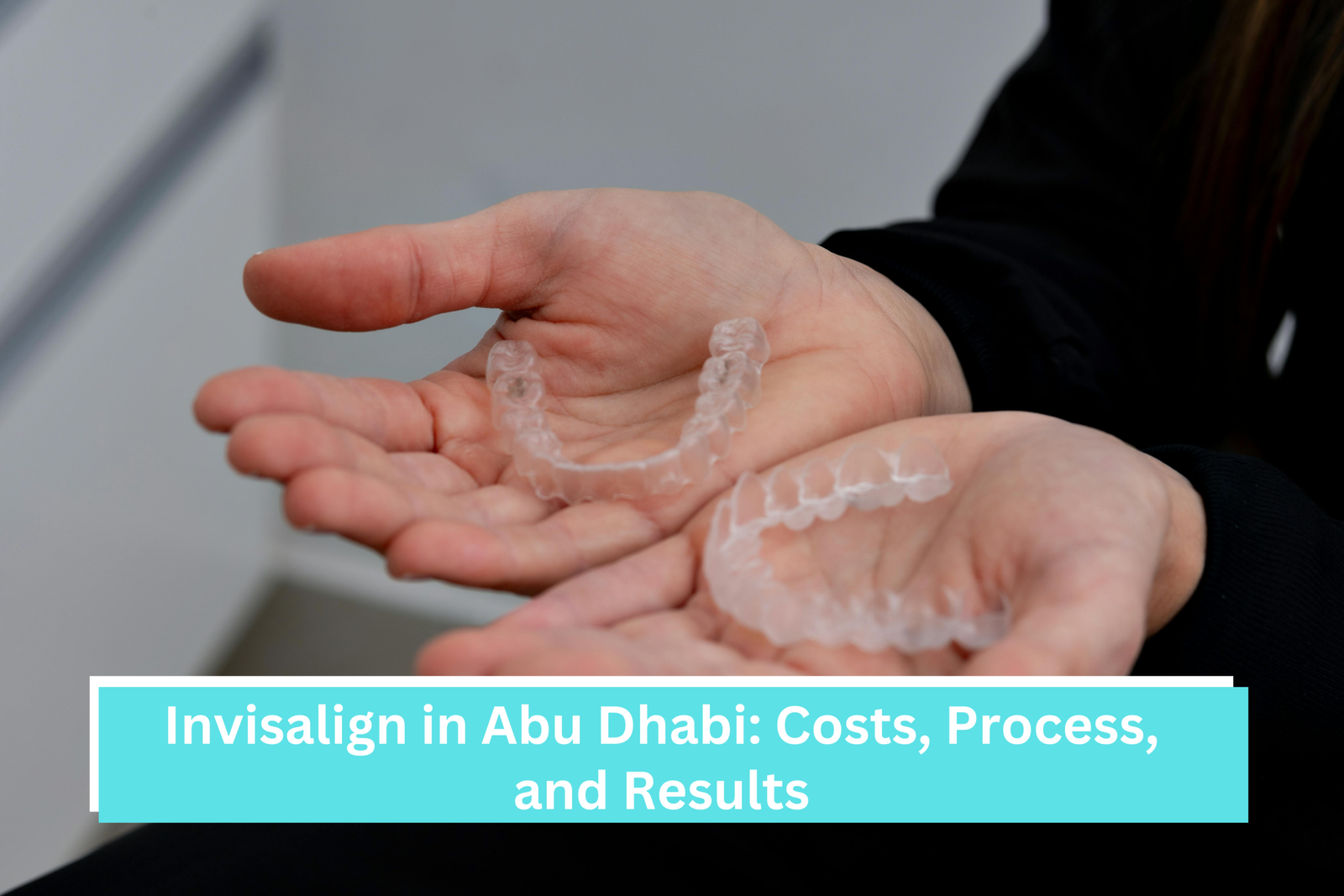
Invisalign and other clear aligner systems are among the most popular alternatives to braces. Invisalign/Clear Aligners: A series of custom, clear plastic trays that gradually shift teeth, virtually invisible and removable for eating. These trays fit snugly over your teeth and must be worn for 20–22 hours a day.
They are effective for:
- Mild to moderate crowding
- Small to medium gaps
- Mild bite issues
- Relapse after previous orthodontic treatment
Clear aligners move teeth gradually and comfortably, making them a go-to option for people who want subtle treatment without lifestyle disruption.
Retainers
Most people think retainers are only for maintaining straight teeth, but they can also help fix small issues. Retainers: Can be used for minor adjustments, sometimes modified by dentists for slight movements. They are best for:
- Slight crowding
- Very minor spacing
- Maintaining results after other treatments
Retainers are not a solution for moderate or severe alignment problems, but they work well when only a small correction is needed.
Instant Cosmetic Fixes (Cosmetic Dentistry)
Cosmetic dentistry is an excellent choice when the main goal is to improve the appearance of the smile quickly, without physically shifting the teeth. These options can create dramatic transformations in one or two visits.
Dental Veneers
Dental Veneers: Thin porcelain shells bonded to the front of teeth to hide flaws and create a perfectly aligned look.
Veneers are ideal for:
- Crooked teeth that don’t need functional correction
- Gaps between teeth
- Uneven, chipped, or worn teeth
- Discoloration
- Teeth that appear misaligned
With veneers, your natural teeth typically stay in place, but the visible front is redesigned to appear perfectly shaped and aligned. They offer long-lasting, natural-looking results.
Dental Bonding
Dental Bonding: Tooth-colored resin applied to teeth to reshape them, close gaps, or cover chips for a straighter appearance.
Bonding is a quick and affordable cosmetic fix. It works best for:
- Small gaps
- Slightly crooked teeth
- Chipped or uneven edges
- Minor shape corrections
Since bonding doesn’t move teeth, it’s ideal for cases where the cosmetic appearance—not alignment—needs improvement.
Dental Crowns
Dental Crowns: Caps that cover damaged or misaligned teeth, offering both restorative and cosmetic benefits.
Crowns are useful when a tooth is both misaligned and structurally compromised. They restore:
- Aesthetics
- Shape
- Strength
- Alignment (visually)
Crowns may be recommended when misalignment is due to damage, wear, or developmental issues.
Teeth Contouring
Teeth Contouring: Reshaping the enamel of your natural teeth to correct minor irregularities and improve smoothness.
Contouring is one of the simplest ways to enhance tooth shape. It gently removes small amounts of enamel to create a smoother, more even appearance. It is ideal for:
- Minor overlapping
- Uneven edges
- Slightly long or sharp teeth
While simple, contouring cannot fix major alignment issues.
Treatments for Children and Adolescents
Kids and teens have access to unique options because their jaws are still developing, making correction easier and more effective.
Palatal Expanders
Palatal Expanders: Devices placed in the roof of the mouth to widen the upper jaw, creating space for teeth.
Expanders help with:
- Narrow jaws
- Crowding
- Crossbites
- Early-stage bite correction
They create space for teeth and often reduce the need for braces later.
Headgear
Headgear: Corrects protruding upper teeth and jaw alignment in growing children.
Headgear is used when jaw growth needs redirection. It helps:
- Correct overbites
- Adjust jaw position
- Prevent severe orthodontic problems in adulthood
For growing children, early intervention can significantly reduce treatment time and future complications.
How to Choose the Right Treatment
With so many options available, choosing the right method depends on several factors:
Your Specific Dental Problem
- Minor gaps: Bonding, veneers, or clear aligners
- Minor crowding: Contouring, veneers, or aligners
- Moderate crowding: Clear aligners
- Chipped or uneven teeth: Veneers, bonding, or crowns
- Bite correction: Clear aligners (mild), expanders or headgear (children)
Your Goal: Cosmetic vs. Functional
- If you want a perfect-looking smile fast, cosmetic dentistry is the best option.
- If you want actual alignment movement, clear aligners are more suitable.
Important Note
Consult a Professional: A dentist or orthodontist must assess your specific bite and alignment to recommend the best, most effective solution.
No two smiles are the same, and what works for one person may not be right for another.
Consider the Severity
Severity Matters: Cosmetic fixes work best for minor issues; significant crowding or bite problems often still need traditional orthodontics.
If a case is too severe, braces or orthodontic intervention may still be required.
Final Thoughts
Fixing teeth without braces is absolutely possible. Whether you want true alignment movement through invisible aligners or fast cosmetic improvements using veneers, crowns, bonding, or contouring, modern dentistry offers a solution for nearly every smile concern. The key is understanding the difference between cosmetic enhancement and functional alignment—and choosing a method based on your specific needs.
A consultation with your dentist will help determine the most effective, safe, and lasting option for your smile. With the right treatment, you can achieve beautifully straight teeth without ever wearing traditional braces.