
Physiotherapy in Abu Dhabi extensively integrates advanced technology to provide precise, personalized, and engaging patient care, combining modern techniques with traditional methods. From robotic devices to virtual reality, AI-driven treatment plans, and telehealth, the use of technology has redefined how physiotherapy is delivered in the UAE.
Table of Contents
ToggleRobotics and Mechanical Devices in Physiotherapy
One of the most significant technological advancements in physiotherapy is the use of robotics and mechanical devices. These innovations help patients regain mobility, strengthen muscles, and recover from injuries more efficiently.
Robot-Assisted Training Systems
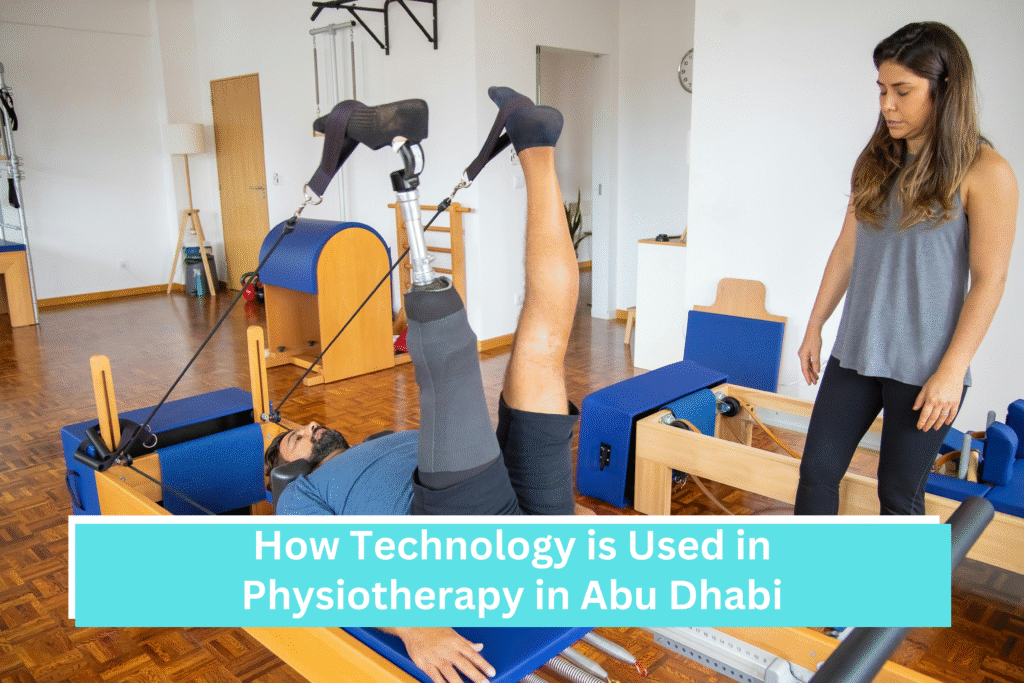
Facilities like the Zayed Higher Organisation for People of Determination (ZHO) and Burjeel Medical City utilize advanced robotic devices such as the Lokomat for gait training and Gloreha Sinfonia for hand rehabilitation. These systems assist patients with neurological conditions, such as stroke or cerebral palsy, by providing guided movement patterns that enhance motor learning and accelerate recovery.
Exoskeletons and Robotic Arms
Exoskeletons and robotic arms are increasingly used to support patients with spinal cord injuries or severe mobility limitations. These devices assist in walking, performing daily tasks, and regaining functional movement, offering both physical and psychological benefits.
Computer-Assisted Devices
The Centaur device, available at centers like Healthpoint, focuses on core and spinal stabilization. It strengthens spine and abdominal muscles through controlled movements, offering a unique rehabilitation solution in the MENA region.
Continuous Passive Motion (CPM) Machines
CPM machines are motorized devices often used post-surgery, particularly for knee or shoulder joints. They gently move the joint through a controlled range of motion, preventing stiffness and contractures while reducing post-operative recovery time.
Virtual Reality (VR) and Artificial Intelligence (AI)
Virtual Reality in Physiotherapy
Virtual Reality has emerged as a powerful tool for enhancing patient engagement and outcomes. Patients can participate in simulated environments that improve balance, coordination, and strength. The UAE Ministry of Health and Prevention has introduced VR rehabilitation programs for stroke recovery, balance disorders, and developmental conditions. Interactive VR games make therapy sessions more enjoyable, particularly for children, encouraging adherence and consistent progress.
Artificial Intelligence in Rehabilitation
AI technology allows physiotherapists to design personalized treatment plans based on real-time measurements of range of motion, muscle strength, and performance. AI algorithms analyze movement patterns through computer vision and provide instant feedback for posture correction. This can also be performed remotely through smartphone apps, allowing patients to continue therapy from home while therapists monitor progress.
Telehealth and Remote Monitoring
Telehealth has gained popularity in Abu Dhabi, enabling physiotherapists to conduct virtual consultations and guide patients remotely. Connected wearable devices track movement, exercise adherence, and recovery rates, allowing therapists to adjust treatment plans as needed. This approach is particularly beneficial for patients with mobility challenges or those living far from specialized clinics.
Electrotherapy and Other Modalities
Electrotherapy
Techniques such as Transcutaneous Electrical Nerve Stimulation (TENS) and Interferential Current (IFC) use electrical impulses to stimulate muscles, reduce pain, and accelerate healing. Electrotherapy is often integrated into conventional physiotherapy sessions to provide faster symptom relief.
Shockwave Therapy
Shockwave therapy employs high-energy sound waves to enhance blood circulation, reduce inflammation, and stimulate tissue regeneration. It is effective for tendon and muscle injuries, offering a non-invasive alternative to surgery.
Ultrasound and Laser Therapy
Ultrasound and laser therapy penetrate deep into muscles and joints, promoting tissue healing and reducing inflammation. These modalities are often used in conjunction with exercise therapy to speed up recovery.
Hydrotherapy
Hydrotherapy utilizes specialized pools equipped with underwater treadmills, stationary bikes, and adjustable floors. Water-based therapy reduces weight-bearing stress on joints while improving muscle strength and flexibility, making it ideal for post-surgery rehabilitation or patients with arthritis.
Wearable Technology
Wearable devices, including smart bands and sensors, provide real-time data on activity levels, joint movement, and rehabilitation progress. This technology empowers patients to take an active role in their recovery and allows physiotherapists to make data-driven adjustments to treatment plans.
Benefits of Using Technology in Physiotherapy
Integrating technology into physiotherapy in Abu Dhabi provides numerous advantages:
Precision and Accuracy: Robotic and AI-assisted devices allow therapists to monitor subtle movements and tailor exercises to individual needs.
Enhanced Engagement: VR and interactive devices make therapy sessions more enjoyable, improving patient compliance.
Faster Recovery: Advanced modalities such as electrotherapy, shockwave therapy, and robotic assistance accelerate healing.
Remote Care Options: Telehealth and wearable devices enable continuous care outside the clinic, reducing the need for frequent hospital visits.
Personalized Treatment: AI and data-driven analysis ensure therapy is customized based on real-time patient performance.
Future of Physiotherapy in Abu Dhabi
As technology continues to advance, the future of physiotherapy in Abu Dhabi is poised to become even more patient-centric and effective. Emerging innovations, such as AI-powered predictive analytics, exoskeleton advancements, and gamified VR exercises, will allow therapists to provide precise, outcome-based care. The focus will remain on improving recovery times, enhancing mobility, and promoting long-term wellness.
Conclusion
Technology has revolutionized physiotherapy in Abu Dhabi, offering patients innovative, efficient, and personalized care. From robotic-assisted devices to virtual reality, AI, telehealth, and advanced therapeutic modalities, modern physiotherapy integrates cutting-edge tools with traditional techniques to deliver superior outcomes.
Physiotherapy in Abu Dhabi extensively integrates advanced technology to provide precise, personalized, and engaging patient care, combining modern techniques with traditional methods. These innovations not only improve the quality of care but also make rehabilitation more accessible, motivating, and effective. Patients can expect faster recovery, enhanced mobility, and better overall results as physiotherapy continues to evolve with technology